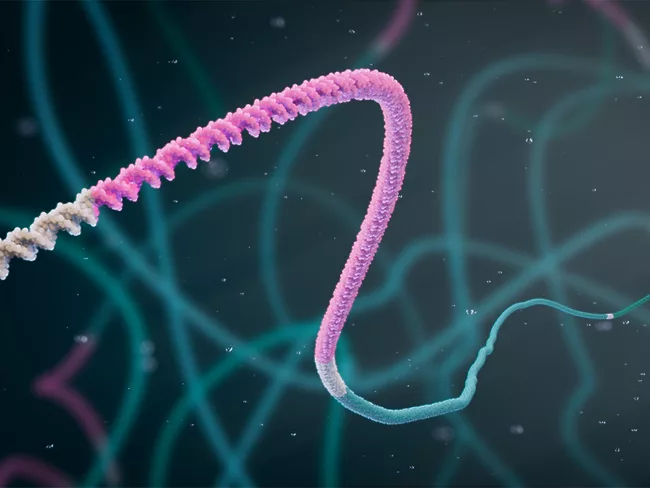
Researchers at the University of Edinburgh are pioneering a cancer therapy that destroys tumors from within while reawakening the immune system, using synthetic super-enhancers (SSEs) to drive targeted killing and durable protection against recurrence. The work builds on a decade of research focused on how glioblastoma stem cells (GSCs) sustain their aggressive cancer identity.
The development of glucagon-like peptide 1 receptor (GLP-1R) agonists, such as semaglutide and tirzepatide, has been a game changer in the clinical management of overweight and obesity, but there is interpersonal variability in efficacy of these medications for weight loss, as well as in the incidence of undesired side effects. Investigators from the 23andMe Research Institute have shed some light on how variations in the GLP-1R and GIP receptor (GIPR) genes impact their effectiveness and the occurrence of side effects.
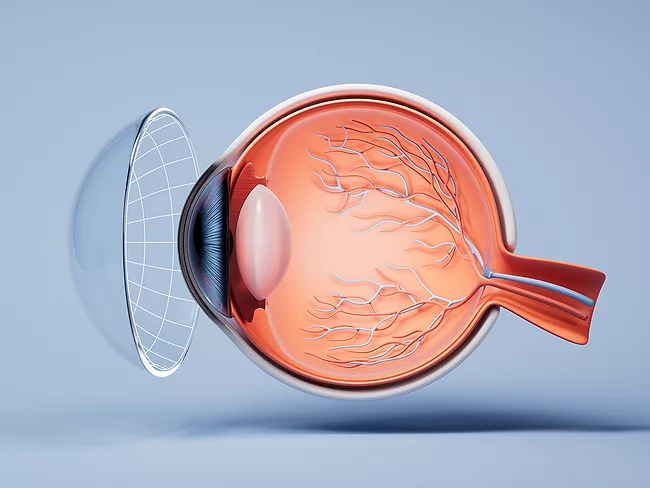
A smart polymer contact lens measures intraocular pressure (IOP) in real time and automatically releases medication into the eye when IOP goes beyond a critical limit. This technological advance, developed by scientists at the Terasaki Institute for Biomedical Innovation (TIBI), could enable personalized glaucoma therapy, avoiding poor patient adherence to their prescribed regimen and eliminating the need for bulky electronic devices. Animal models tolerate it well and, although the load is concentrated at the edges of the lens, it is still unknown how it could affect visual acuity.
A smart polymer contact lens measures intraocular pressure (IOP) in real time and automatically releases medication into the eye when IOP goes beyond a critical limit. This technological advance, developed by scientists at the Terasaki Institute for Biomedical Innovation, could enable personalized glaucoma therapy.
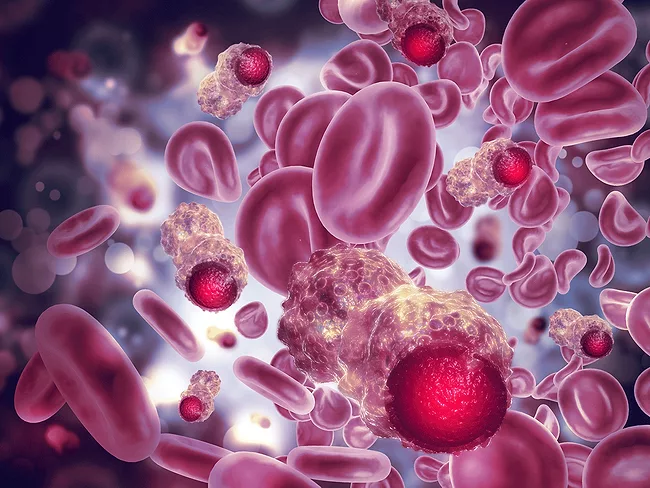
Hematopoietic stem cell research over the past century has shown that leukemia may be driven by an invisible hand of inflammation. The bone marrow and inflammation, then, may hold the keys to preventing blood cancers, according to John E. Dick’s plenary session at the 2026 Korean Society of Hematology International Conference, held March 26, 2026.
Hematopoietic stem cell research over the past century has shown that leukemia may be driven by an invisible hand of inflammation. The bone marrow and inflammation, then, may hold the keys to preventing blood cancers, according to John E. Dick’s plenary session at the 2026 Korean Society of Hematology International Conference, held March 26, 2026.
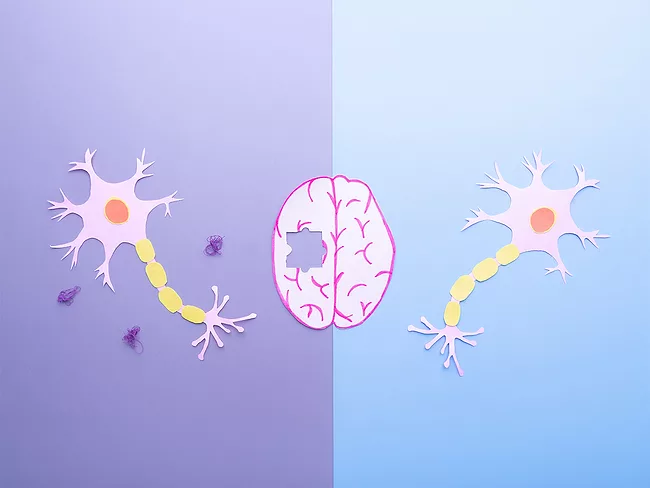
Microglia play a central role in the neuroinflammation associated with Alzheimer’s disease (AD). At the 20th International Conference on Alzheimer’s and Parkinson’s Diseases (AD/PD), scientists focused on TREM2, a microglial receptor that regulates immune responses, exploring new ways to address neuroinflammation.
For a company founded only four years ago, Quotient Therapeutics Inc. entered its third major deal, this time with Merck & Co. Inc. to find novel drug targets for inflammatory bowel disease (IBD) using its somatic genomics platform technology.
Parkinson’s disease (PD) involves the progressive loss of dopaminergic neurons, particularly in the substantia nigra. This neurodegeneration is linked to the abnormal accumulation of α-synuclein, a protein that forms toxic aggregates and spreads between cells, damaging them. At the 20th International Conference on Alzheimer’s and Parkinson’s Diseases (AD/PD), held from March 17 to 21, 2026, in Copenhagen, several strategies were presented that aim to modify the course of the disease and offer real alternatives to purely symptomatic treatments.
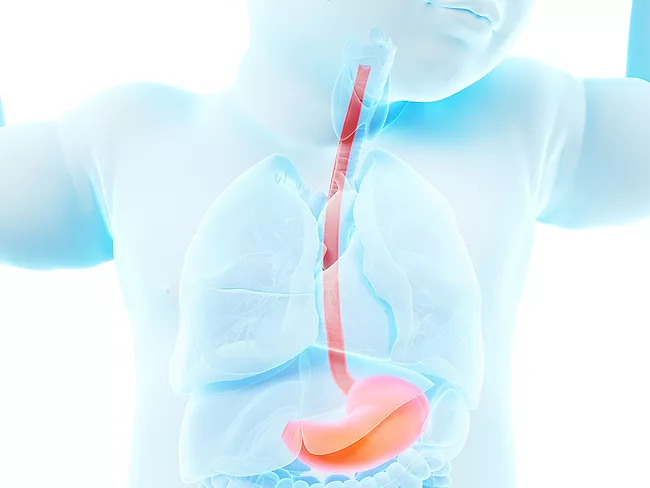
Scientists at Great Ormond Street Children’s Hospital in London have reported a new advance for tissue engineered grafts in a lab-grown esophagus that has sufficient muscle regeneration to coordinate peristalsis, enabling the recipient to swallow. The aim is to generate grafts that can be used to treat babies born with the rare congenital condition esophageal atresia, in which the esophagus fails to connect to the stomach, usually forming a close pouch instead.
 RSS
RSS