BioWorld. Link to homepage.

Clarivate
  • BioWorld
  • BioWorld Science
  • BioWorld Asia
  • Data Snapshots
    • Biopharma
    • Medical technology
    • Infographics: Dynamic digital data analysis
    • Index insights
    • NME Digest
  • Special reports
    • Infographics: Dynamic digital data analysis
    • Trump administration impacts
    • Med-tech outlook 2026
    • Under threat: mRNA vaccine research
    • BioWorld at 35
    • Biopharma M&A scorecard
    • Bioworld 2025 review
    • BioWorld MedTech 2025 review
    • BioWorld Science 2025 review
    • Women's health
    • China's GLP-1 landscape
    • PFA re-energizes afib market
    • China CAR T
    • Alzheimer's disease
    • Coronavirus
    • More reports can be found here

BioWorld. Link to homepage.

  • Sign In
  • Sign Out
  • My Account
Subscribe
BioWorld - Saturday, March 28, 2026
Home » Topics » Science

Science
Science RSS Feed RSS

Cancer cell, DNA illustration

Chromosomal fusion – an ALTernative tumor target for PARP inhibitors?

May 18, 2021
By Subhasree Nag
Investigators led by Russell Pieper at University of California, San Francisco have discovered that ALT-associated tumors are hypersensitive to a subgroup of poly [ADP-ribose] polymerase (PARP) inhibitors.
Read More
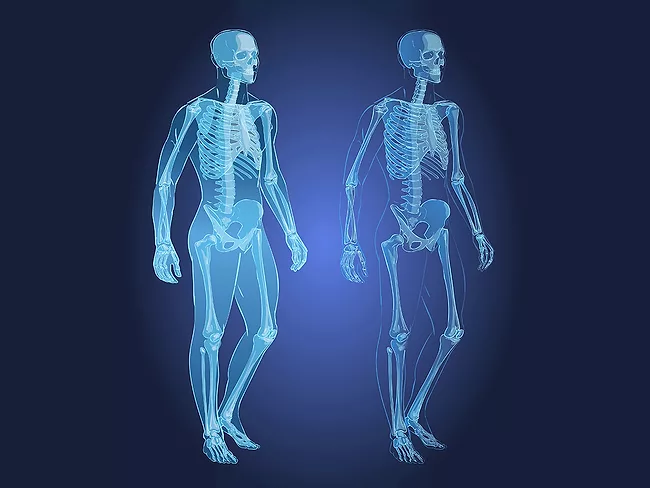
Skeletal system

Australian researchers map out first genetic profile of skeletal master regulator cells

May 17, 2021
By Tamra Sami
Researchers at Australia's Garvan Institute of Medical Research have for the first time mapped the genetic profile of the skeleton's master regulator cells, known as osteocytes.
Read More
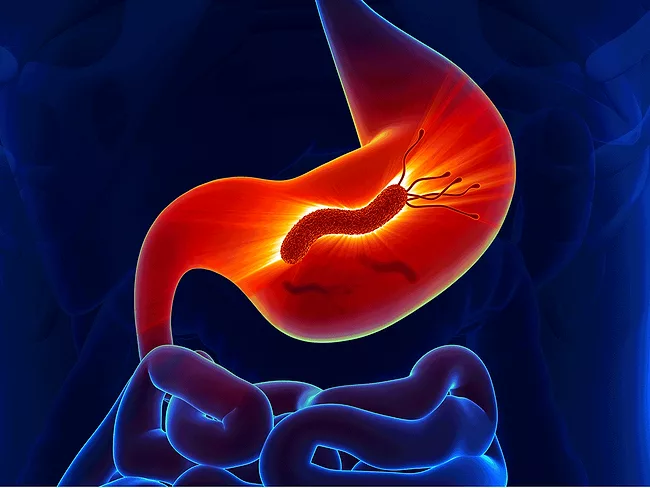
Stomach, H. pylori

H. pylori oncoprotein-induced genome instability may underlie gastric cancer

May 14, 2021
By John Fox
A Japanese study has found that the Helicobacter pylori oncoprotein, CagA, elicited transient 'BRCAness', inducing genomic instability via DNA double-strand breaks and defective homologous recombination. The effects may underlie the gastric carcinogenesis associated with chronic H. pylori infection.
Read More
Illustration of mouse with chip implant

Columbia neuroelectronic system could improve epilepsy treatment and reduce side effects

May 13, 2021
By Annette Boyle
In the last decade, responsive neurostimulation (RNS) has become a mainstay of treatment for refractory focal epilepsy, but challenges with the technology remain. Researchers at Columbia University in New York appear to have overcome some of the major limitations through development of a compact, flexible, high performance implantable device that permits reading and manipulation of brain circuits.
Read More
Coronavirus, question marks
Origin stories

SARS-CoV-2 origin is hotly debated known unknown

May 13, 2021
By Anette Breindl
Roughly a year and a half after the start of the COVID-19 pandemic, many unknowns remain about the future of the virus. How it will mutate, how long protection from either illness or vaccination will last, when it will cease to be a pandemic and instead be endemic, even whether the worst is still ahead. And there is also an increasing acknowledgment that there remain unknowns about SARS-CoV-2’s past.
Read More
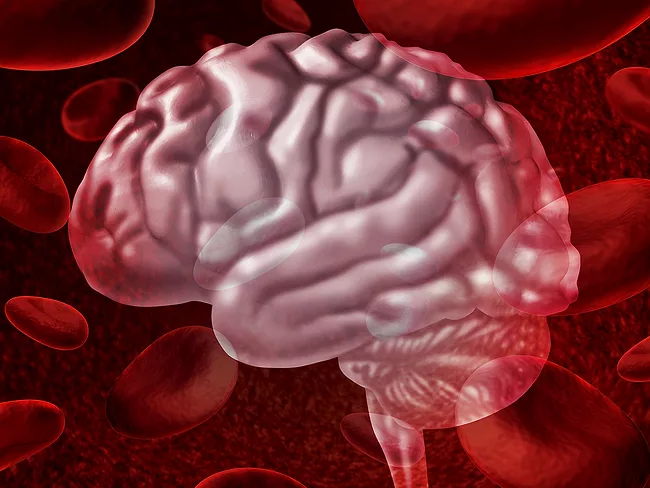
Brain and blood cells

ASGCT 2021: Engineering blood cells can treat brain diseases

May 13, 2021
By Anette Breindl
Collectively, lysosomal storage disorders (LSDs) are caused by malfunctions in metabolic enzymes in the lysosome system. Depending on which enzyme is missing, toxic metabolites accumulate. While the LSDs are highly heterogenous – even within one disease, presentation can vary widely – neurodegeneration is a common feature in these disorders.
Read More
N. brasiliensis

AAI 2021: In immunity, IL-33 signals stop as well as go

May 12, 2021
By Anette Breindl
Parasitic worms, or helminths, are a major global health issue. At the same time, "parasites have been a prolific area of biomedical research to emerge," De'Broski Herbert told his audience at the 2021 annual meeting of the American Association of Immunologists.
Read More
DNA illustration

Findings bolster RAD51 as biomarker for DNA repair deficiency

May 11, 2021
By Anette Breindl
The discovery of synthetic lethality between BRCA mutations and PARP inhibitors ranks has led to major advances in the treatment of BRCA-mutated cancers. Mutations in BRCA1 and BRCA2 can leave cells with a deficiency in homologous repair (HR). And that deficiency can make them vulnerable to PARP inhibitors, which block alternate DNA repair pathways, as well as platinum-based treatment, which induces DNA mutations that BRCA-deficient cells are unable to cope with.
Read More
Teen receiving vaccine

SARS-CoV-2 vaccines make progress in the young, the old, the in-between

May 11, 2021
By Anette Breindl
With Monday's announcement that the U.S. FDA has expanded emergency use authorization for Pfizer and BioNtech's COVID-19 vaccine, Comirnaty (tozinameran), to include adolescents 12 through 15 years of age, and the EMA expected to follow suit in short order, the COVID vaccination campaign is expanding its age range.
Read More
DNA illustration

Findings bolster RAD51 as biomarker for DNA repair deficiency

May 10, 2021
By Anette Breindl
The discovery of synthetic lethality between BRCA mutations and PARP inhibitors ranks has led to major advances in the treatment of BRCA-mutated cancers.
Read More
Previous 1 2 … 92 93 94 95 96 97 98 99 100 … 193 194 Next

Popular Stories

  • Today's news in brief

    BioWorld
    BioWorld briefs for March 27, 2026.
  • MRI image brain on black background

    ADPD 2026: Can we prevent dementia? Scientists quantify it

    BioWorld
    Neurodegenerative disease and cognitive decline cannot be explained by a single process. Beta-amyloid plaques, hyperphosphorylated tau, alpha-synuclein, activated...
  • Illustration of Alzheimer's disease in the brain

    ADPD 2026: Three inflection points to target Alzheimer’s disease

    BioWorld Science
    A new way of understanding Alzheimer’s disease, based on biological inflection points that mark decisive moments in the progression of the disorder, could change...
  • Art concept for Parkinson's disease

    Emerging therapeutic strategies for Parkinson’s at ADPD 2026

    BioWorld
    Parkinson’s disease (PD) involves the progressive loss of dopaminergic neurons, particularly in the substantia nigra. This neurodegeneration is linked to the...
  • News in brief

    BioWorld Asia
    BioWorld Asia briefs for March 24, 2026
  • BioWorld
    • Today's news
    • Analysis and data insight
    • Clinical
    • Data Snapshots
    • Deals and M&A
    • Financings
    • Medical technology
    • Newco news
    • Opinion
    • Regulatory
  • BioWorld Science
    • Today's news
    • Biomarkers
    • Cancer
    • Conferences
    • Endocrine/metabolic
    • Immune
    • Infection
    • Neurology/psychiatric
    • NME Digest
    • Patents
  • BioWorld Asia
    • Today's news
    • Analysis and data insight
    • Australia
    • China
    • Clinical
    • Deals and M&A
    • Financings
    • Newco news
    • Regulatory
    • Science
  • More
    • About
    • Advertise with BioWorld
    • Archives
    • Article reprints and permissions
    • Contact us
    • Cookie policy
    • Copyright notice
    • Data methodology
    • Infographics: Dynamic digital data analysis
    • Index insights
    • Podcasts
    • Privacy policy
    • Share your news with BioWorld
    • Staff
    • Terms of use
    • Topic alerts
Follow Us

Copyright ©2026. All Rights Reserved. Design, CMS, Hosting & Web Development :: ePublishing