BioWorld. Link to homepage.

Clarivate
  • BioWorld
  • BioWorld Science
  • BioWorld Asia
  • Data Snapshots
    • Biopharma
    • Medical technology
    • Infographics: Dynamic digital data analysis
    • Index insights
    • NME Digest
  • Special reports
    • Infographics: Dynamic digital data analysis
    • BCI
    • Ebola outbreak
    • Hantavirus
    • Trump administration impacts
    • Med-tech outlook 2026
    • Under threat: mRNA vaccine research
    • BioWorld at 35
    • Biopharma M&A scorecard
    • Bioworld 2025 review
    • BioWorld MedTech 2025 review
    • BioWorld Science 2025 review
    • Women's health
    • China's GLP-1 landscape
    • PFA re-energizes afib market
    • China CAR T
    • Alzheimer's disease
    • Coronavirus
    • More reports can be found here

BioWorld. Link to homepage.

  • Sign In
  • Sign Out
  • My Account
Subscribe
BioWorld - Saturday, July 4, 2026
Home » Topics » Science

Science
Science RSS Feed RSS

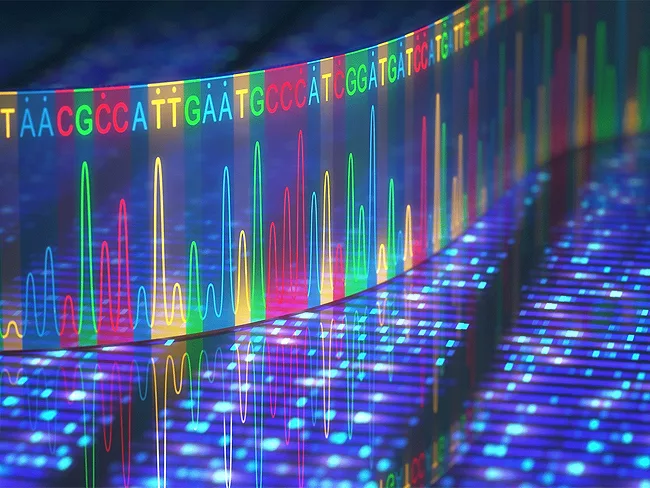
DNA NGS genome sequencing

UK study illuminates value of whole genome sequencing in rare disease care

Nov. 10, 2021
By Nuala Moran
LONDON – A pilot study has shown that whole genome sequencing can pinpoint the genetic causes of rare diseases, even in people who had previously not been given a diagnosis after undergoing sequencing of their protein coding exome.
Read More
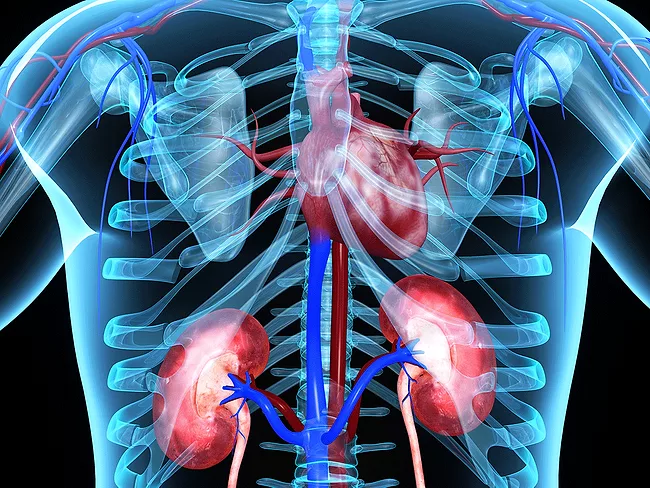
Kidneys

Spiny mice can regenerate damaged kidneys without fibrosis

Nov. 10, 2021
By Subhasree Nag
In a recent study, a team of researchers at the University of Washington and Seattle Children's Research Institute have discovered that spiny mice can regenerate severely damaged internal organs that, in other mice, would lead to fatal organ failure.
Read More
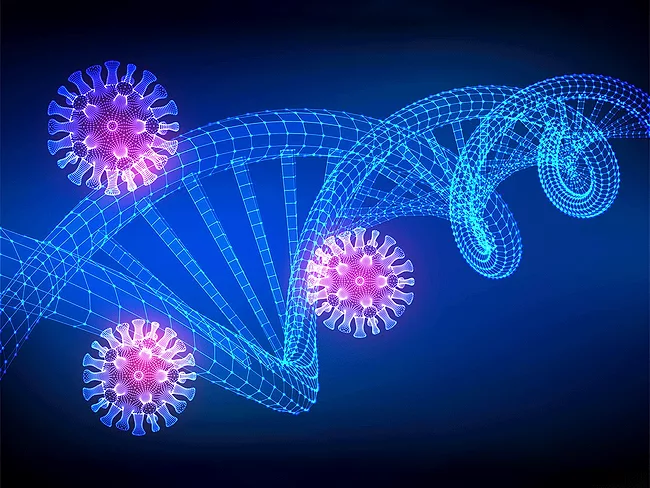
DNA sequence and COVID-19 virus cells

Gene in 60% of people of South Asian ancestry doubles the risk of COVID-19 death

Nov. 9, 2021
By Nuala Moran
LONDON – Researchers have pinpointed a little-studied gene as responsible for doubling the risk of respiratory failure in COVID-19 and shown exactly how it exerts its effect. The gene, leucine zipper transcription factor like 1, is activated by a single base pair change on chromosome 3 that occurs in 60% of people of South Asian ancestry and 15% of people of European ancestry.
Read More
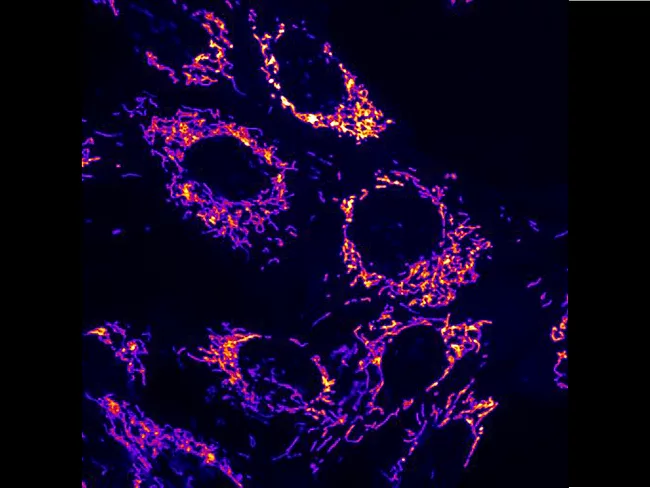
Fluorescence microscopy image of mitochondria

Parkinson’s disease model confirms metabolic, contests anatomic tenets

Nov. 9, 2021
By Anette Breindl
Investigators at Northwestern University’s Feinberg School of Medicine have used a new mouse model of Parkinson’s disease to confirm a causal role for mitochondrial dysfunction in Parkinson’s disease. More surprisingly, the same model has called into question previously uncontroversial notions about the motor features that are PD’s most conspicuous feature.
Read More
Viruses-infecting-neurons.png
Virtual Neuroscience 2021

Brain infections rare but brain symptoms common with SARS-CoV-2

Nov. 9, 2021
By Anette Breindl
The sprint of fighting COVID-19 has been in respiratory medicine. For patients who become acutely ill, the short-term danger is in respiratory failure. But increasingly, it seems like the pandemic’s marathon fight may come to be against the neurological symptoms of COVID-19.
Read More
Antibody-drug conjugate

Antibody discovery platform increases cancer immunotherapy targets

Nov. 8, 2021
By John Fox
An international study led by U.S. oncologists at Children's Hospital of Philadelphia has successfully used a new antibody discovery platform developed by Myrio Therapeutics of Melbourne, Australia, to help identify and target key drivers of neuroblastoma in mouse models, the authors reported in the November 3, 2021, issue of Nature.
Read More
DNA sequence and COVID-19 virus cells

Gene in 60% of people of South Asian ancestry doubles the risk of COVID-19 death

Nov. 5, 2021
By Nuala Moran
LONDON – Researchers have pinpointed a little-studied gene as responsible for doubling the risk of respiratory failure in COVID-19 and shown exactly how it exerts its effect. The gene, leucine zipper transcription factor like 1, is activated by a single base pair change on chromosome 3 that occurs in 60% of people of South Asian ancestry and 15% of people of European ancestry.
Read More
Fluorescence microscopy image of mitochondria

Parkinson’s disease model confirms metabolic, contests anatomic tenets

Nov. 4, 2021
By Anette Breindl
Investigators at Northwestern University’s Feinberg School of Medicine have used a new mouse model of Parkinson’s disease to confirm a causal role for mitochondrial dysfunction in Parkinson’s disease. More surprisingly, the same model has called into question previously uncontroversial notions about the motor features that are PD’s most conspicuous feature.
Read More
DNA on digital background

Computational prodding of evolutionary history gives clues to gene variants

Nov. 4, 2021
By Anette Breindl
By using an unsupervised machine learning approach to look at genetic variation across the protein-coding genomes of 140,000 species, researchers at Harvard Medical School and Oxford University have developed a new variant classifying system that performed on a par with wet lab approaches.
Read More
Pills and bottle

New treatment targets identified in opiate abstinence

Nov. 3, 2021
By John Fox

A study led by researchers at the Shanghai Institute of Materia Medica, Chinese Academy of Sciences, has shown that amygdala kappa-opioid receptor-dependent upregulation of glutamate transporter 1 mediates depressive-like behaviors in mouse models of opiate abstinence.


Read More
Previous 1 2 … 82 83 84 85 86 87 88 89 90 … 200 201 Next

Popular Stories

  • Today's news in brief

    BioWorld
    BioWorld briefs for July 2, 2026.
  • News in brief

    BioWorld Asia
    BioWorld Asia briefs for June 30, 2026
  • Illustration demonstrating gut-brain axis

    CINP 2026: Gut microbiota could predict antidepressant response

    BioWorld
    The gut microbiota may be altered in people with depression as a result of treatment. These microorganisms reorganize differently in individuals who respond to...
  • Black wavy lines forming an abstract sound wave.png

    Deep brain stimulation from the shallows: tomorrow’s BCI technology?

    BioWorld
    Deep brain stimulation (DBS) through implanted electrodes has enabled fundamentally new ways of treating certain disorders. More than 100,000 severely ill...
  • Brain made of chip and circuits

    Ascending BCI systems deepen national security, ethical concerns

    BioWorld
    Ready or not, the future has arrived. Novel AI and brain-computer interface (BCI) systems are no longer confined to the realm of science fiction. As an...
  • BioWorld
    • Today's news
    • Analysis and data insight
    • Clinical
    • Data Snapshots
    • Deals and M&A
    • Financings
    • Medical technology
    • Newco news
    • Opinion
    • Regulatory
  • BioWorld Science
    • Today's news
    • Biomarkers
    • Cancer
    • Conferences
    • Endocrine/metabolic
    • Immune
    • Infection
    • Neurology/psychiatric
    • NME Digest
    • Patents
  • BioWorld Asia
    • Today's news
    • Analysis and data insight
    • Australia
    • China
    • Clinical
    • Deals and M&A
    • Financings
    • Newco news
    • Regulatory
    • Science
  • More
    • About
    • Advertise with BioWorld
    • Archives
    • Article reprints and permissions
    • Contact us
    • Cookie policy
    • Copyright notice
    • Data methodology
    • Infographics: Dynamic digital data analysis
    • Index insights
    • Podcasts
    • Privacy policy
    • Share your news with BioWorld
    • Staff
    • Terms of use
    • Topic alerts
Follow Us

Copyright ©2026. All Rights Reserved. Design, CMS, Hosting & Web Development :: ePublishing