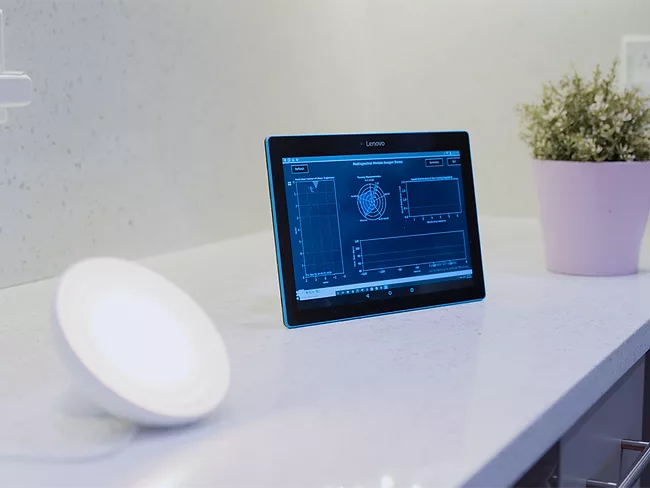
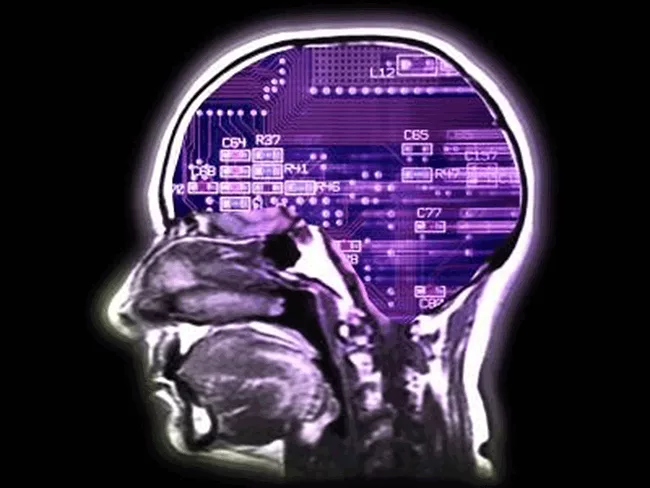
IBM Research and Boston Scientific Corp. are harnessing artificial intelligence (AI) to create an objective pain measurement tool that could someday replace standard patient-reported pain scales in the assessment of chronic pain.
LONDON – The Google artificial intelligence company Deepmind has developed an algorithm that can predict the 3D structure of a protein from its amino acid sequence, making it possible to solve the structures of proteins, such as G-protein coupled receptors (GPCRs), which are a mainstay of drug targeting but whose structure is challenging to determine with current methods.
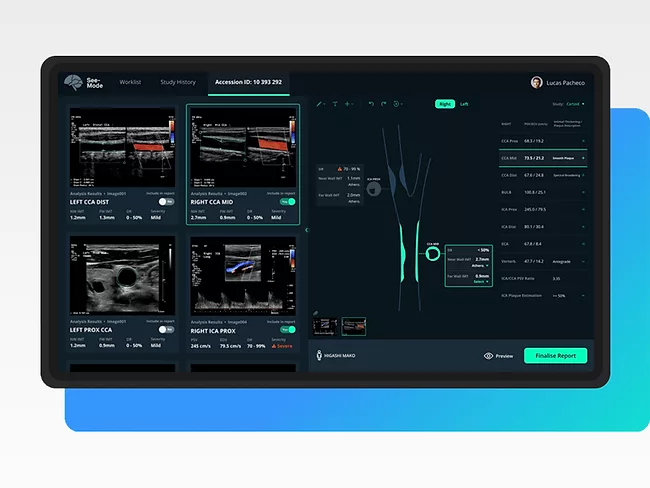
PERTH, Australia – See-Mode Technologies has received 510(k) clearance from the U.S. FDA to market its Augmented Vascular Analysis (AVA) program that uses artificial intelligence (AI) to analyze vascular ultrasound scans to better predict stroke. Caused by plaque that ruptures in blood vessels and blocks blood flow to the brain, stroke affects roughly 15 million people per year and is the second-leading cause of death globally.
LONDON – U.S. chipmaker Nvidia Inc. is investing £40 million (US$51.9 million) in building a supercomputer in Cambridge, U.K., to be dedicated to applying artificial intelligence in drug discovery and in health care.
HONG KONG – Seoul, South Korea-based Vuno Inc. reported that it plans to list on South Korea’s Kosdaq bourse either by the end of 2020 or early next year, CTO and cofounder Kyu-hwan Jung told the 2020 Bioplus Interphex Korea Conference. After receiving A ratings in the recent technology evaluations by assessment institutions NICE D&B and Korea Enterprise Data, Vuno submitted a preliminary examination application to the bourse on July 28 that is currently underway, the company said.
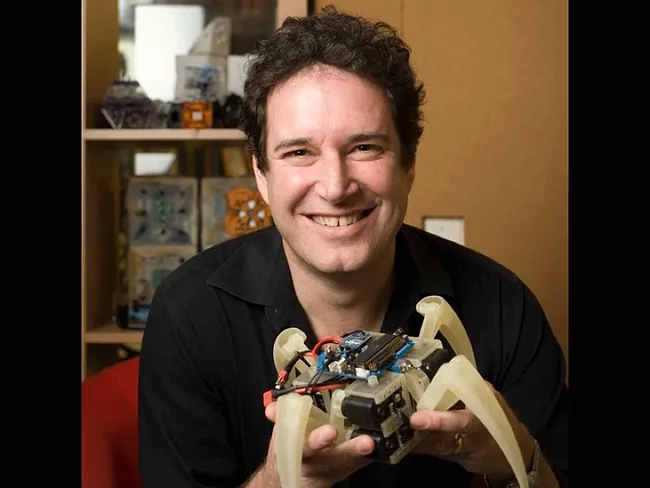
Columbia University professor and robotics engineer Hod Lipson knows the importance of artificial intelligence (AI) on a global level. “It permeates everything we do, from the stock market, from predicting the weather to what product you’re going to buy,” he said Wednesday during the second day of the virtual Ai4 2020 conference. “It’s even grading essays. You name it.”
The U.S. FDA has greenlighted two new modules for Siemens Healthineers’ AI-Rad Companion platform, giving radiologists new artificial intelligence (AI) tools to assist in interpreting magnetic resonance imaging (MRI) studies of the brain and prostate. The AI-Rad Companion Brain MR for Morphometry Analysis and AI-Rad Companion Prostate MR for Biopsy Support join earlier intelligent software modules for Chest CT.
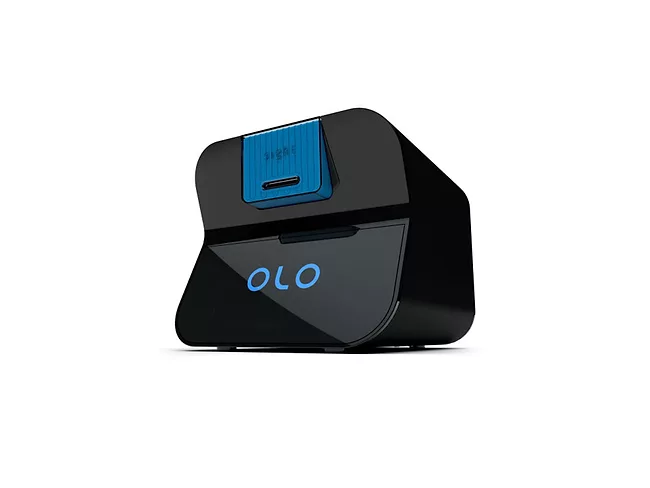
Sight Diagnostics Ltd. raised $71 million in series D financing to expand its commercial operations and increase research and development efforts into disease detection from its fingerprick blood analyzer Sight OLO.
Investigators have developed a new approach to classifying neurodegenerative disorders that used the overall patterns of protein aggregation, rather than specific proteins, to define six clusters of patients that crossed traditional diagnostic categories.
PARIS – Inheart SAS completed its first funding round of $4.2 million to improve cardiac arrhythmia treatment using medical imaging, artificial intelligence and digital simulation. This fund round was led by Elvia Partners SAS, a Parisian investment fund managed by Xavier Lazarus specializing in deep tech, and Aquitaine Science Transfer, a company accelerating technology transfer, from the University of Bordeaux.
 RSS
RSS