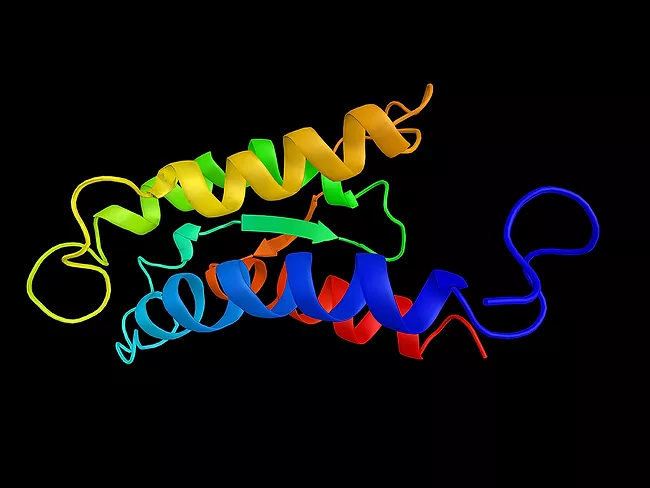
As a cytokine used in the field of immuno-oncology, interleukin-2 (IL-2) can produce durable and even complete responses in some patients, as well as induce immune memory against tumors. However, its rapid metabolism within the body means it has a short serum half-life, so it needs to be given in high doses, which can trigger severe side effects.
The vast variety of tumors makes each cancer a world. For researchers, understanding the commonalities and divergences in their molecular underpinnings could help find successful treatments. Scientists from the Clinical Proteomic Tumor Analysis Consortium (CPTAC) have addressed these similarities and differences in 10 different types of cancer with two proteogenomic studies to unravel the genes that lead to cancer and the galaxy of interactions that regulate them.
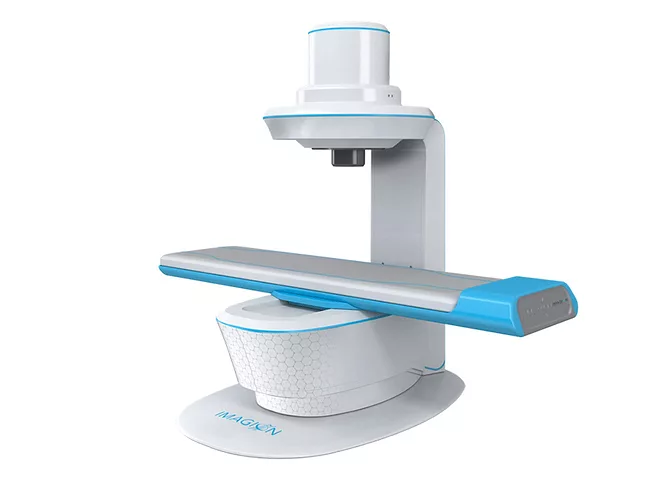
Imagion Biosystems Ltd. signed a flurry of deals recently to expand its pioneering molecular magnetic resonance imaging platform Magsense beyond Australia and into additional indications to detect cancer earlier.
Delcath Systems Inc. reported that the FDA approved its Hepzato Kit for the treatment of adults with unresectable hepatic-dominant metastatic uveal melanoma (mUM). The FDA nod also triggered a second tranche of financing of approximately $35 million from a private placement in March.
Immuno-oncology company Imugene Ltd. has acquired a worldwide exclusive license to Precision Biosciences Inc.’s allogeneic CD19 CAR T-cell therapy program in a deal worth more than $227 million. The off-the-shelf CD19 CAR T-cell therapy, azercabtagene zapreleucel (azer-cel), could potentially be the first allogeneic CAR T to be approved, Imugene CEO Leslie Chong told BioWorld.
Less than a week after approving Johnson & Johnson’s bispecific antibody, Talvey (talquetamab-tgvs), for relapsed or refractory multiple myeloma (r/r MM) under accelerated review, the U.S. FDA has followed suit with Pfizer Inc.’s equivalent, Elrexfio (elranatamab-bcmm). The accelerated clearance of Elrexfio – a B-cell maturation antigen (BCMA) bispecific antibody that targets BCMA on myeloma cells and the CD3 receptor on T cells – covers it for adult patients who have received at least four prior lines of therapy, including a proteasome inhibitor, an immunomodulatory agent and an anti-CD38 monoclonal antibody.
An updated trial protocol providing expanded bridging therapies are part of the agreement between the U.S. FDA and Arcellx Inc. that allows the lifting of the partial clinical hold on the company’s pivotal phase II study of CAR T-cell therapy CART-ddBCMA in multiple myeloma (MM).
Kelun-Biotech Biopharmaceutical Co. Ltd.’s trophoblast cell-surface antigen 2 (Trop2)-targeted antibody-drug conjugate (ADC), SKB-264, met the primary endpoint of progression-free survival (PFS) in a phase III trial in patients with unresectable locally advanced, recurrent or metastatic triple-negative breast cancer (TNBC), according to an interim analysis. The randomized, controlled, open-label, multicenter phase III trial compared injectable SKB-264 (also known as KL-A264 and MK-2870) vs. investigator-selected regimens in patients who failed second-line or above prior standard-of-care therapies.
Oricell Therapeutics Co. Ltd. has become the latest Chinese biotech to advance an independently developed CAR T therapy, announcing Aug. 10 that China’s regulatory body gave IND approval for Oricar-017. Oricar-017 is the Shanghai-based biotech’s GPRC5D-directed CAR T therapy developed to treat patients with relapsed or refractory multiple myeloma.
Biocity Biopharmaceutics Co. Ltd. is advancing its pipeline of differentiated, modality-independent therapeutics for oncology that include small molecules, monoclonal and bispecific antibodies, as well as antibody-drug conjugates (ADCs). The Wuxi, China-headquartered company is focused on first-in-class molecules for different modalities that can be combined with other treatments, Biocity Co-founder and Executive Vice President Ivy Wang told BioWorld.
 RSS
RSS