Newco Renaissance Pharma Ltd. has been formed to take a new treatment for neuroblastoma developed at St Jude’s Children’s Research Hospital through to market. The product, Hu14.18, has been in-licensed following a phase II trial conducted at the hospital in which patients with newly diagnosed high-risk neuroblastoma had a three-year event-free survival of 73.7% and an overall survival of 86%.
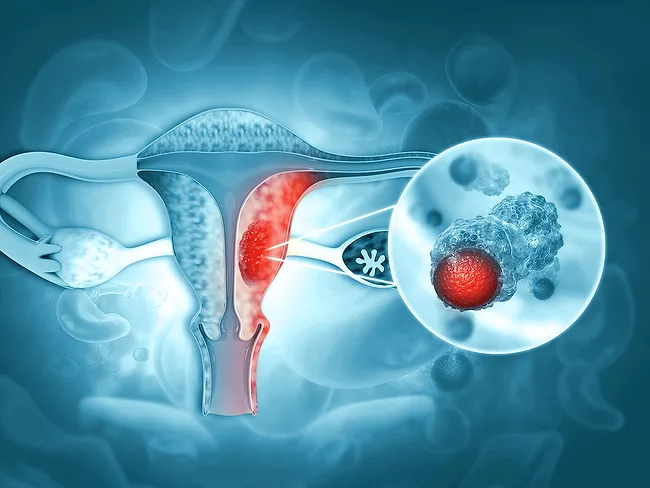
About two months ahead of the planned PDUFA date, the U.S. FDA has granted expanded approval of PD-1 antibody Jemperli (dostarlimab) from partners Anaptysbio Inc. and GSK plc for use in combination with standard-of-care chemotherapy. GSK said the drug would be the only frontline immuno-oncology treatment for endometrial cancer available in combination with carboplatin and paclitaxel. The supporting supplemental BLA for the expanded indication previously received priority review.
Revolution Medicines Inc. is acquiring Eqrx Inc. in an all-stock transaction designed to add more than $1 billion in net cash for Revolution so it can forge ahead with its RAS pathway programs. Serial biotech entrepreneur and investor Alexis Borisy co-founded Eqrx in 2020 to deliver new medicines for cancer and other conditions at "radically lower prices." Borisy also co-founded Revolution, where he remains as executive chairman.
The notion of taking aim at the galectin pathway across varied therapeutic areas has gained major traction in recent years, with a handful of companies drawing Wall Street’s interest as efforts plow forth in conditions as varied as cancer, liver fibrosis and Alzheimer’s disease.
Citius Pharmaceuticals Inc.’s retooled version of withdrawn cancer drug Ontak (denileukin diftitox) is not quite ready for prime time, according to the U.S. FDA, which issued a complete response letter (CRL) for the interleukin-2-diphtheria toxin fusion protein known as Lymphir. The agency is asking for Citius to incorporate enhanced product testing and additional controls but did not raise any concerns regarding safety and efficacy, the company said.
Pursuing tumor-infiltrating lymphocytes (TILs), Turnstone Biologics Inc. raised about $80 million in an IPO, offering 6.7 million shares at $12 each. The firm is “pioneering a differentiated approach to TILs,” with next-generation products designed by choosing the most potent and tumor-reactive T cells, dubbed Selected TILs, according to SEC paperwork.
Nearly five years after submitting its first NDA seeking U.S. approval for Vanflyta (quizartinib) for treating a subset of patients with acute myeloid leukemia (AML), Daiichi Sankyo Co. Ltd. finally cleared the last hurdle. The FDA on July 20 approved the FLT3 inhibitor for use in combination with cytarabine and anthracycline induction and cytarabine consolidation, and as maintenance monotherapy following consolidation chemotherapy, for the treatment of adult patients with newly diagnosed disease that is FLT3 ITD-positive.
Mirati Therapeutics Inc.’s cancer treatment Krazati (adagrasib) is having a tough time outside the U.S. The EMA’s Committee for Medicinal Products for Human Use (CHMP) came out with a negative opinion on an MAA for treating KRAS G12C-mutated advanced non-small-cell lung cancer (NSCLC). The ruling came with a flurry of positive CHMP opinions for companies, including Abbvie Inc., Beigene Ltd. and the Janssen Pharmaceutical Cos., plus a mixed result for Ipsen SA after a stumble earlier this week.
Prestige Biopharma Ltd. is mounting efforts to rise rank through the industry with a two-pronged strategy of becoming a global cancer antibody drug developer and contract development and manufacturing organization.
Elevar Therapeutics Inc. said that the U.S. FDA accepted its NDA for oral tyrosine kinase inhibitor rivoceranib in combination with PD-1 inhibitor camrelizumab (Airuika) as a first-line treatment for liver cancer. The FDA stamped an official PDUFA target action date of May 16, 2024.
 RSS
RSS