Sinotau Pharmaceutical Group raised ¥1.1 billion (US$152 million) in a financing round to develop its radiopharmaceutical drugs for diagnostic and therapeutic interventions.
Nanjing Iaso Biotherapeutics Co. Ltd. and Innovent Biologics Inc. said on July 2 they gained China NMPA approval for the first self-developed and in-house manufactured CAR T therapy Fucaso (equecabtagene autoleucel) to treat relapsed or refractory multiple myeloma.
Artificial intelligence (AI) continues to entice. On the exhibition floor at the 2023 Congress of the European Academy of Neurology, one company’s booth featured “Mindart” technology. A passersby could answer a short series of prompts, and get a unique image based on the input made by generative AI. Entertainment aside, medically speaking, AI applications “are still research,” Riccardo Soffietti told his audience at one of several sessions devoted to AI. “But obviously, research is the future.”
Having raised HK$791 million (US$101 million) through an IPO in Hong Kong, Laekna Inc., which develops therapies for cancer and liver fibrosis, now plans to focus on further developing its two lead products in-licensed from Novartis and push its pipeline of 14 products forward.
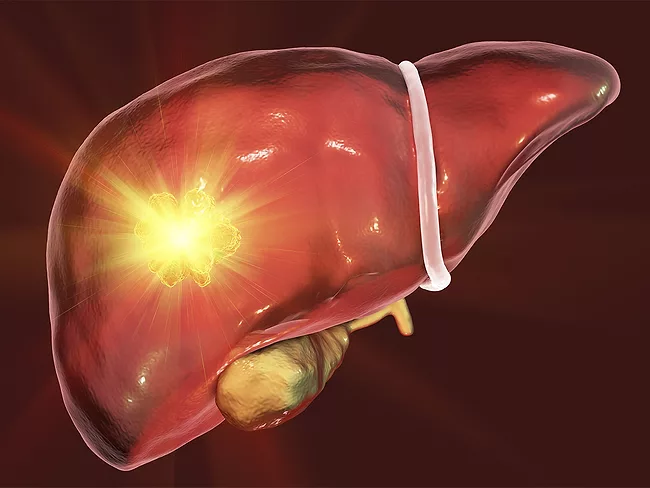
Lion TCR Pte. Ltd. raised $40 million in series B funding that will see the company advance its clinical trial program for its hepatitis B virus (HBV)-specific T-cell receptor (TCR) cell therapy for HBV-related liver cancer.
Scientists in the U.K. have reacted with dismay to the announcement that the National Cancer Research Institute (NCRI) is to close, 22 years after it was set up to coordinate the efforts of industry, government research agencies and medical charities that sponsor and fund clinical trials.
Later this year, Mendus AB plans to move its allogeneic cell-based cancer vaccine, vididencel, into a phase II combination trial with oral azacitidine to evaluate the regimen’s potential as a maintenance therapy in patients with acute myeloid leukemia (AML).
The dose-escalation portion of Black Diamond Therapeutics Inc.’s phase I study of BDTX-1535 for treating non-small-cell lung cancer (NSCLC) produced strong data that moved the market in a big way.
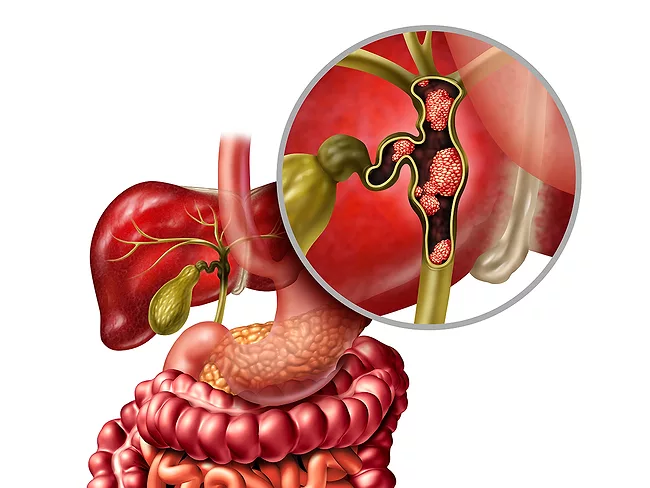
Japan’s Ministry of Health, Labour and Welfare approved Taiho Pharmaceutical Co. Ltd.’s Lytgobi (futibatinib) for unresectable biliary tract cancer harboring fibroblast growth factor receptor 2 (FGFR2) gene fusions that has progressed after chemotherapy.
IPSirius SAS, an early stage French immuno-oncology firm, hopes to obtain a clinical trial authorization from the U.K.’s Medicines and Healthcare Regulatory Products Agency next year, to enable it to move its novel therapeutic cancer vaccine into a first-in-human trial in patients with non-small-cell lung cancer.
 RSS
RSS