Incyte Corp.’s retifanlimab-dlwr received its first regulatory nod on March 22, with the U.S. FDA granting accelerated approval for the PD-1 inhibitor to treat adults with a rare form of skin cancer, advanced Merkel cell carcinoma.
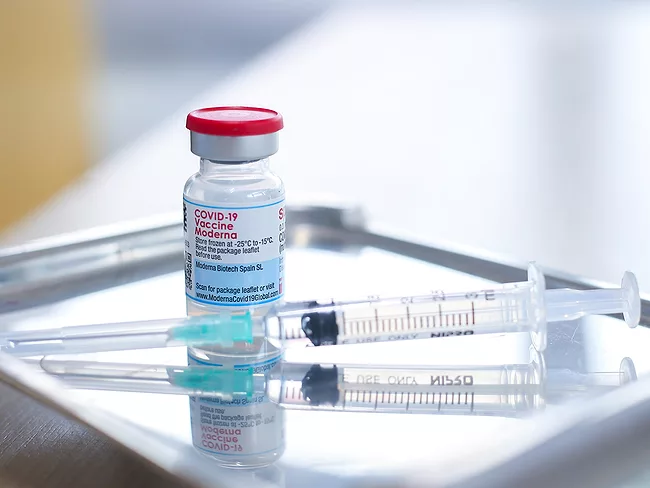
While Moderna Inc. CEO Stéphane Bancel was the one on the hot seat at a March 22 hearing before the U.S. Senate Health, Education, Labor and Pensions (HELP) Committee, biopharma profitability in general, and capitalism itself, came under fire as committee Chair Bernie Sanders (I-Vt.) railed about corporate greed in the sector.
Flare Therapeutics Inc. raised $123 million in an oversubscribed series B round to take its lead compound, FX-909, a potentially first-in-class peroxisome proliferator-activated receptor gamma inhibitor, into clinical trials in patients with advanced urothelial cancer and to advance additional pipeline candidates acting on other transcription factor targets with genetically validated links to disease biology.
Astellas Pharma Inc.’s zolbetuximab, a monoclonal antibody targeting Claudin 18.2, met the primary endpoint for progression-free survival as well as secondary endpoints for overall survival in the phase III Glow trial in CLDN18.2-positive, HER2-negative, locally advanced unresectable or metastatic gastric or gastroesophageal junction adenocarcinoma.
The NMPA accepted a BLA from Astellas Pharma Inc. for enfortumab vedotin, which is designed for the treatment of patients with locally advanced or metastatic urothelial cancer who previously received treatment with a PD-1/L1 inhibitor and platinum-based chemotherapy. “In China, there were nearly 86,000 new cases of bladder cancer in 2020, and we are working with the NMPA to seek approval for enfortumab vedotin for patients with advanced stage disease,” said Ahsan Arozullah, senior vice president and head of development therapeutic areas at Astellas.
Optimism for the GoCAR-T program had perked somewhat after a mid-February update, but hopes were definitively dashed as Bellicum Pharmaceuticals Inc. made known March 15 its decision to quit the phase I/II study testing two prospects in heavily pretreated cancer. The Houston-based firm’s stock (NASDAQ:BLCM) closed at 43 cents, down 50%, as Wall Street reacted to news regarding the study, designed to test GoCAR-T cell prospects BPX-601 and BPX-603 when combined with the activating agent rimiducid, a lipid-permeable tacrolimus analogue.
Les Laboratoires Servier SAS is touting its phase III win with vorasidenib as the first major advance in decades for low-grade glioma, with the trial called Indigo scoring statistical significance on two measures against residual or recurrent isocitrate dehydrogenase-mutant disease. The Suresnes, France-based firm said Indigo met the primary endpoint of progression-free survival (PFS) and the key secondary endpoint of time to next intervention (TTNI). The results of the prespecified interim analysis proved not only statistically significant but also clinically meaningful in PFS and TTNI.
China’s NMPA approved Shanghai Shengdi Pharmaceutical Co. Ltd.’s adebrelimab (SHR-1316) for first-line treatment of extensive-stage small-cell lung cancer (ES-SCLC) in combination with chemotherapy. The approval in mainland China makes adebrelimab the third domestic PD-L1 monoclonal antibody to make it to the domestic market. Shanghai Shengdi is a subsidiary of Jiangsu Hengrui Medicine Co. Ltd.
Pfizer Inc.’s appetite for acquisitions shows no signs of abating as it announced this morning its plan to acquire biotech Seagen Inc. for a whopping $43 billion in a move that will double the size of its early stage oncology pipeline. Under the deal, unanimously approved by the boards of directors of both firms, Pfizer will pay Seagen $229 per share. Bothell, Wash.-based Seagen expects to amass $2.2 billion in revenue in 2023, representing 12% year-on-year-growth, royalties and collaboration and license agreements from its four, FDA-approved products for the treatment of solid tumors and hematologic malignancies, antibody-drug conjugate drugs Adcetris (brentuximab vedotin), Padcev (enfortumab vedotin) and Tivdak (tisotumab vedotin), and tyrosin kinase inhibitor Tukysa (tucatinib).
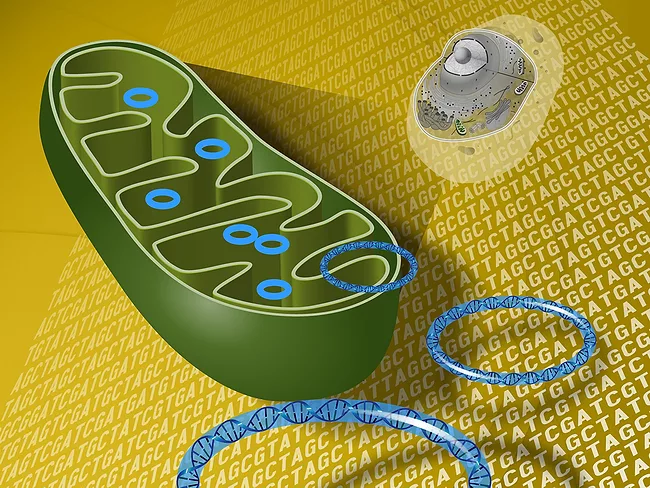
A deficiency in fumarate metabolism could be behind a new mechanism of inflammation mediated by mitochondrial DNA and RNA. Two independent and simultaneous studies described how the accumulation of fumarate in the mitochondria released the genetic material of this organelle through vesicles, activating an inflammatory signaling pathway.

 RSS
RSS