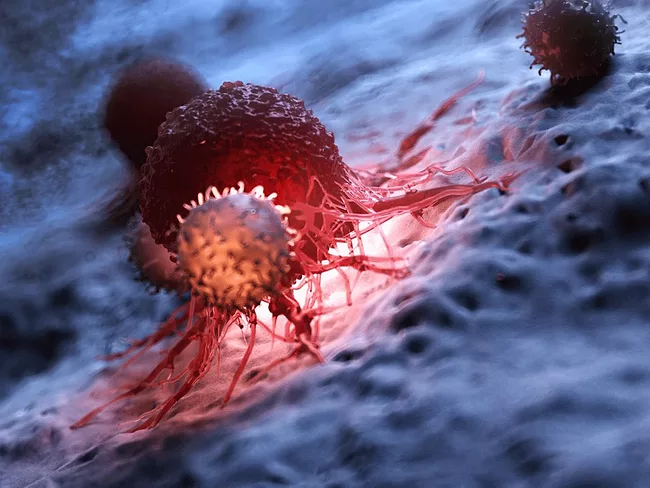
In a recent publication in iScience, researchers from Peking University First Hospital investigated the therapeutic potential of SLC7A11 CAR T therapy for solid tumors, particularly colorectal and pancreatic cancers.
Dewpoint Therapeutics Inc. has announced an IND in the U.S. for DPTX-3186, a first-in-class oral condensate modulator designed to selectively disrupt oncogenic Wnt/β-catenin signaling in tumors. Dosing is set to begin before year-end in a phase I/II trial conducted in partnership with cancer centers and opinion leaders in gastric and other Wnt-driven cancers.
Pancreatic ductal adenocarcinoma (PDAC) is one of the most aggressive and deadly forms of cancer, with a 5-year relative survival rate of only 13%. To understand cell fate decisions and progression in PDAC, it is crucial to clarify the communication networks between tumor cells.
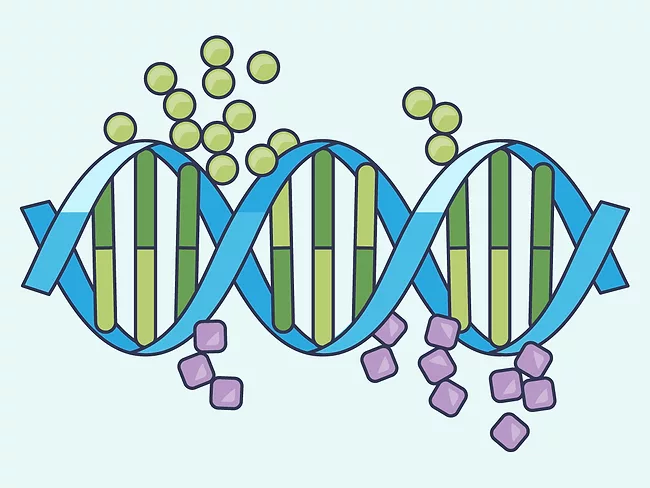
Durable reprogramming of human T cells may now be possible thanks to a new technique based on the CRISPRoff and CRISPRon methodology. Researchers from the Arc Institute, Gladstone Institutes, and the University of California San Francisco (UCSF) have stably silenced or activated genes in this type of immune cell without cutting or altering its DNA, making T cells more resistant, active, and effective against tumors.
While positive results from the investigator-led phase II CHOPIN trial at ESMO 2025 failed to get investors dancing, they were no doubt music to management’s ears, particularly with Delcath Systems Inc.’s third quarter earnings report missing a beat.
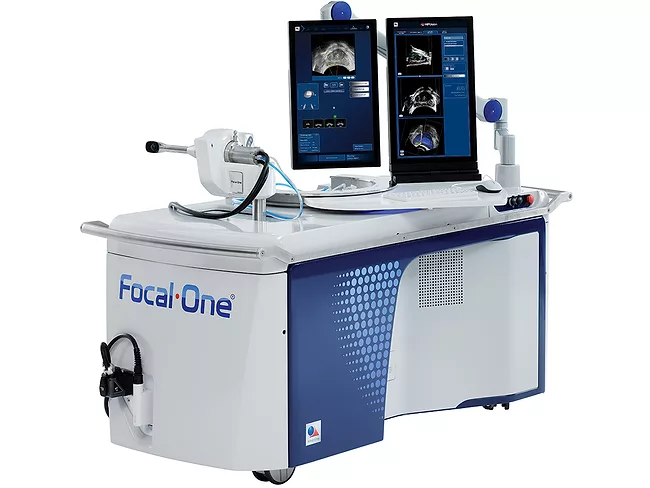
Edap TMS SA signed a €36 million (US$42 million) multi-tranche credit facility with the European Investment Bank, with the first tranche of €11 million expected to be disbursed in early November. The funds will be used to strengthen the company’s balance sheet to support the continued expansion of its Focal One high-intensity focused ultrasound technology in focal therapy and accelerate the development of new clinical indications.
Antibody-drug conjugate (ADC) specialist Aimedbio Inc. announced Oct. 16 the signing of a potential $991 million deal with Boehringer Ingelheim GmbH to license out its novel preclinical ADC asset targeting solid tumors, including KRAS mutations, which is set to enter phase I study next year.
Antibody-drug conjugate (ADC) specialist Aimedbio Inc. announced Oct. 16 the signing of a potential $991 million deal with Boehringer Ingelheim GmbH to license out its novel preclinical ADC asset targeting solid tumors, including KRAS mutations, which is set to enter phase I study next year.
Radiopharm Theranostics Ltd. completed a AU$35 million (US$22.77 million) placement to advance six of its radiopharmaceutical candidates for both diagnostic and therapeutic uses. The funds raised will go toward clinical trials, drug manufacturing and working capital to extend Radiopharm’s funding runway into 2027.
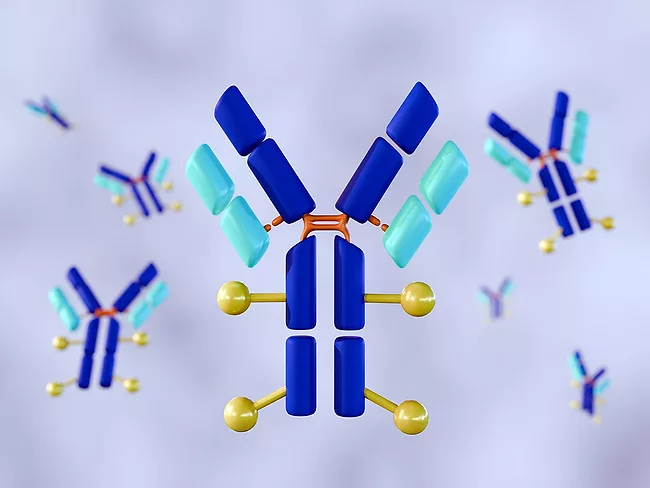
Antibody-drug conjugates (ADCs) are a mature technology. The first ADC, Mylotarg, was initially approved in 2000, and there are now 14 approved agents in both leukemias and solid tumors. According to Clarivate’s Cortellis Drug Discovery & Intelligence, those drugs collectively accounted for $13.55 billion in sales in 2024 – a figure that Cortellis projects will rise to $16 billion in 2025.
 RSS
RSS