Beactica Therapeutics AB has held a first scientific advisory meeting with the Swedish Medical Products Agency (MPA) for BEA-17, the company’s first-in-class small-molecule targeted degrader of lysine demethylase 1 (LSD1) and its co-factor CoREST.
A team of U.S. and South Korean researchers have developed an AI model called MSI-SEER that can not only predict microsatellite instability-high (MSI-H) tumors based on tissue slides, but also flag “what it does not know.” “Have you ever asked ChatGPT anything, and the response was, ‘I don’t know?’” Cheong Jae-ho asked during an interview with BioWorld. “Probably not, and that is the problem with AI now.”
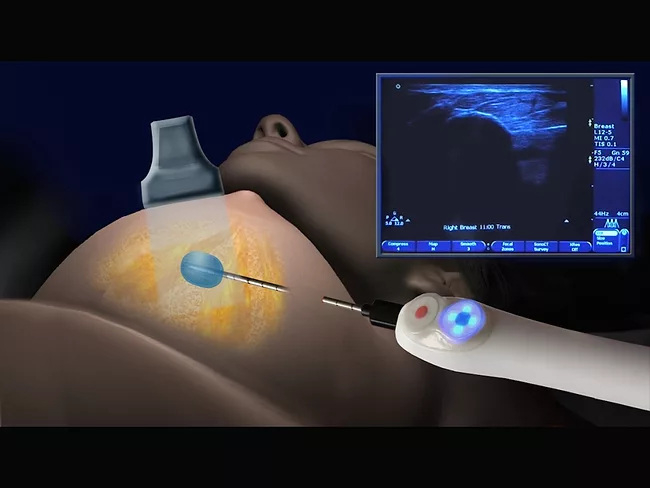
Icecure Medical Ltd. reported that the U.S. FDA has granted marketing authorization to Icecure's de novo application for the Prosense cryoablation system for the local treatment of breast cancer in patients 70 years of age or older with biologically low-risk tumors. The authorized indication includes patients that are not suitable for surgery for breast cancer treatment.
Newco Trogenix Ltd. has emerged from incubation and raised £70 million (US$94.1 million) in a series A, as it prepares the ground for a U.S/U.K. clinical trial of a novel gene therapy construct in glioblastoma multiforme that is due to start at the beginning of 2026.
Work at Aligos Therapeutics Inc. has led to the discovery of new programmed cell death 1 (PDCD1; PD-1; CD279)/PD-1 ligand 1 (PD-L1; CD274) interaction inhibitors reported to be useful for the treatment of hepatocellular carcinoma and hepatitis B.
Blossomhill Therapeutics Inc. have identified 7-azaindazole macrocycles acting as ALK tyrosine kinase receptor (mutant) inhibitors potentially useful for the treatment of cancer.
In an isomerization reaction, uridine is modified to pseudouridine, the most abundant RNA modification which presents an extra hydrogen bond donor, altering the RNA structure and providing unique chemical properties.
Trogenix Ltd. has completed its series A financing, raising £70 million ($95 million) to support progression into the clinic of its pipeline of potentially curative cancer therapies across multiple aggressive solid tumors.
Nanyang Biologics Pte. Ltd. has entered a $1.5 billion business combination agreement with RF Acquisition Corp II, a Nasdaq-listed special purpose acquisition company. Singapore-based Nanyang Biologics (NYB) is building a hybrid platform to revolutionize drug discovery by combining machine learning with natural compound libraries, and NYB claims it is developing one of the world’s largest AI-curated collections of bioactive compounds.
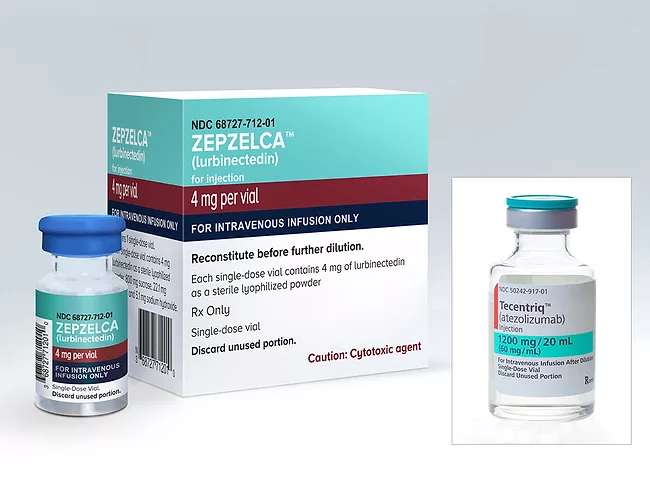
The U.S. FDA has approved the priority sNDA for a new first-line maintenance therapy in extensive-stage small-cell lung cancer from Jazz Pharmaceuticals plc. Zepzelca (lurbinectedin) can now be combined with Tecentriq (atezolizumab, Roche AG) or atezolizumab and hyaluronidase-tqjs (Tecentriq Hybreza, Roche) as a maintenance therapy for adults who haven’t progressed after first-line induction therapy with atezolizumab, carboplatin and etoposide.

 RSS
RSS