The discovery of two new sarcoma-specific pathways and 14 new genes that predispose people to heritable sarcomas could pave the way to managing cancer risk early via detection of these mutations for this rare type of cancer. Sarcomas are rare connective tissue malignancies mostly derived from embryonic mesoderm and affect younger people.
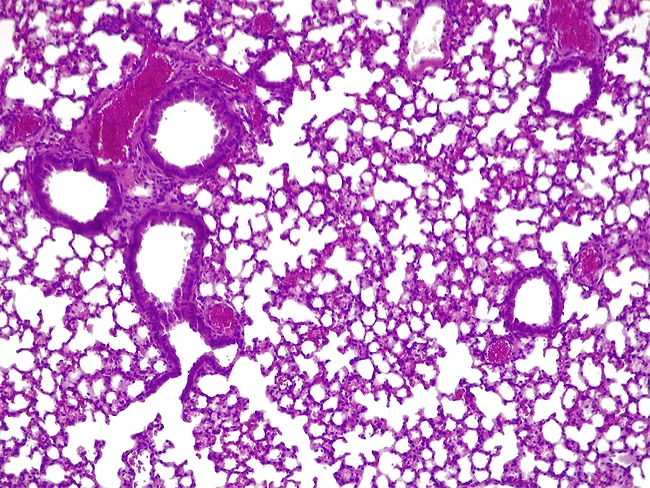
Researchers at the Barcelona Institute of Science and Technology’s Center for Genomic Regulation (CRG) and Pulmobiotics Ltd. have used one bacterium to fight another. In mouse models, the team used engineered Mycoplasma pneumoniae to treat Pseudomonas aeruginosa, the chief culprit in ventilator-associated pneumonia (VAP).
Immunotherapy, a treatment that increases the survival of cancer patients to the point of remission of the disease, can also have the opposite effect. In some patients, immune checkpoint blockade accelerates cancer. Now, researchers at the University of Michigan Medical School have discovered that the answer to this hyperprogressive disease (HPD) lies in the interconnection of the molecular pathways of interferon signaling (IFNγ), fibroblast growth factor 2 (FGF2) and the β-catenin protein.
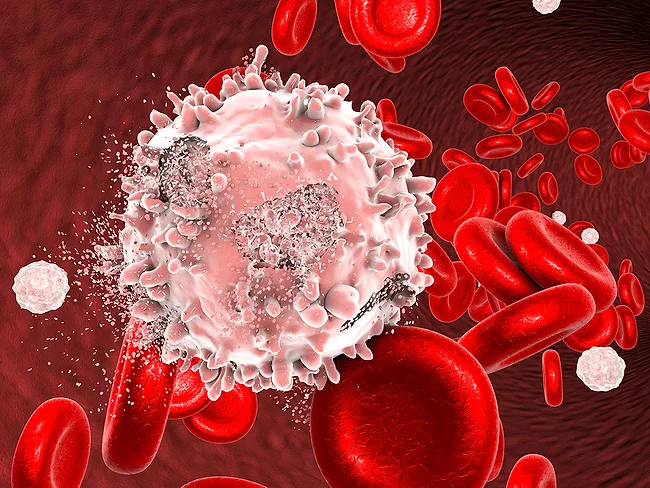
By combining drug sensitivity with genomic profiling of tumor cells, a study from St. Jude Children's Research Hospital with more than 800 patients has shown a wide diversity in drug sensitivity for pediatric acute lymphoblastic leukemia (ALL) and defined six patterns of response to treatment. “This work provides a framework for ‘functional precision medicine’,” corresponding author Jun Yang, vice chair of the Department of Pharmacy and Pharmaceutical Sciences at St. Jude Children's Research Hospital, told BioWorld.
Pulmobiotics Ltd., which was founded in 2019, is developing cell therapy for lung diseases, including lung cancer. But unlike other cell therapies for cancer, this one is based not on harnessing T cells but on engineering bacteria. The team has engineered Mycoplasma pneumoniae to deliver various therapeutic proteins to the lung, depending on the therapeutic indication.
Iaso Biotherapeutics Inc. raised ¥500 million (US$75 million) in a series C1 round as looks for its first drug approval by China after its NDA was accepted for what is claimed to be the first B-cell maturation antigen-targeting CAR T-cell therapy in China.
Sitryx Therapeutics Ltd. has identified nuclear factor erythroid 2-related factor 2 (NFE2-related factor 2; NFE2L2; NRF2) activators reported to be useful for the treatment of inflammatory disorders.
Abbvie Inc. has described new proteolysis targeting chimera (PROTA) compounds comprising an E3 ubiquitin ligase-binding moiety covalently linked to tyrosine protein phosphatase nonreceptor type 2 (PTPN2)-targeting moiety reported to be useful for the treatment of cancer, diabetes type 2 and nonalcoholic steatohepatitis.
C4x Discovery Holdings plc has advanced its MALT-1 inhibitor program into the preclinical candidate selection phase. Inhibition of MALT-1 has potential therapeutic applicability as a monotherapy for MALT-1-driven cancers and in combination with BTK inhibitors across multiple hematological indications, as well as broader potential in solid tumors and inflammation.

 RSS
RSS