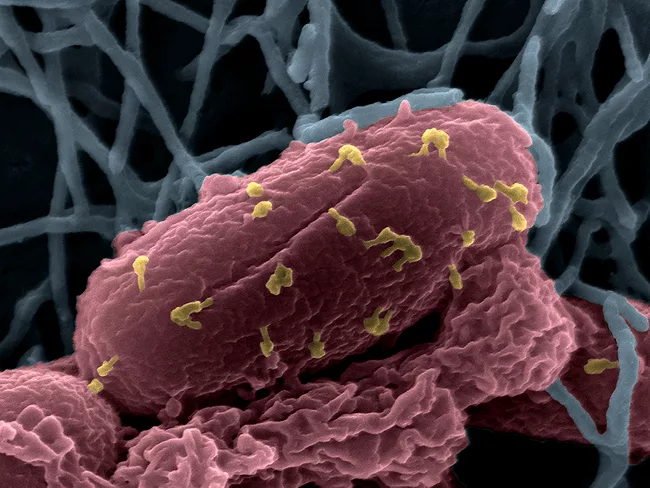
Snipr Biome ApS has published initial clinical data showing its Crispr-Cas modified bacteriophage product selectively kills Escherichia coli – including strains that are resistant to antibiotics – with no effect on the rest of the gut microbiome. That paves the way to test Snipr-001 in the prevention of bloodstream infections in hematological cancer patients who, as a result of increased intestinal permeability caused by chemotherapy, are at high risk of gut bacteria getting into the bloodstream.
Immunotherapy-focused biotech company LTZ Therapeutics Inc. raised more than $10 million in a pre-A+ financing that will be used to continue establishing the company’s platform and pipeline that is initially focused on solid and liquid tumors.
National Institute of Pharmaceutical R&D Co. Ltd. has identified Toll-like receptor 8 (TLR8) agonists reported to be useful for the treatment of cancer and viral infections.
Chongqing Fochon Pharmaceuticals Co. Ltd. has divulged apoptosis regulator Bcl-2 inhibitors reported to be useful for the treatment of cancer, Addison’s disease, allergy, asthma, atherosclerosis, ankylosing spondylitis, Alzheimer’s disease and systemic lupus erythematosus, among others.
Treatment failure after repeated administration of cisplatin, one of the most used cancer chemotherapeutics, is due to either development of treatment resistance or chemotherapy-induced neuropathic pain.
The U.S. FDA has issued a final guidance for non-clinical performance testing for tissue containment bags used during power morcellation procedures, and the FDA had recommended in 2020 containment bags always be used during morcellation procedures. Despite the FDA’s advisory, a survey of surgeons published last year suggested that most of these procedures are not done with these containment systems, possibly because the rate of procedure-related complications is considerably higher when containment is used.
 RSS
RSS