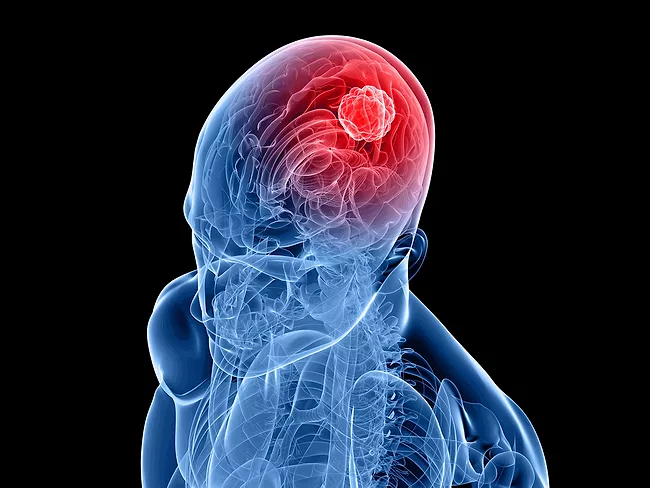
Mesenchymal glioblastoma, a phenotype associated with poor clinical outcomes, is characterized by the expression of CD44 and chitinase 3-like protein 1 (CHI3L1) in mesenchymal glioma stem cells (GSCs). CHI3L1 has been implicated in several oncogenic pathways driving mesenchymal differentiation. However, the role of CHI3L1 as a paracrine modulator of GSC states, as well as the transcriptional regulatory network induced by CHI3L1 in GSCs, remains unknown.
By interfering with mitochondrial plasticity, researchers have succeeded in attenuating brain metastases of HER2-expressing breast tumors. The authors wrote that their findings “highlight targeting mitochondrial dynamics is a viable therapeutic opportunity to limit both brain tumors and metastasis.”
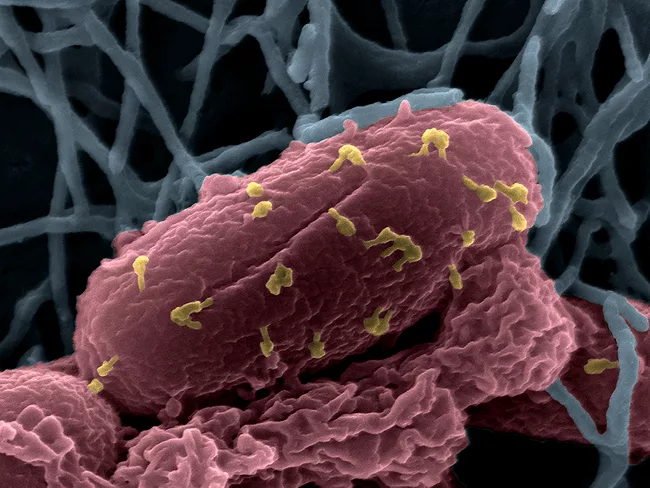
Snipr Biome ApS has published initial clinical data showing its Crispr-Cas modified bacteriophage product selectively kills Escherichia coli – including strains that are resistant to antibiotics – with no effect on the rest of the gut microbiome. That paves the way to test Snipr-001 in the prevention of bloodstream infections in hematological cancer patients who, as a result of increased intestinal permeability caused by chemotherapy, are at high risk of gut bacteria getting into the bloodstream.
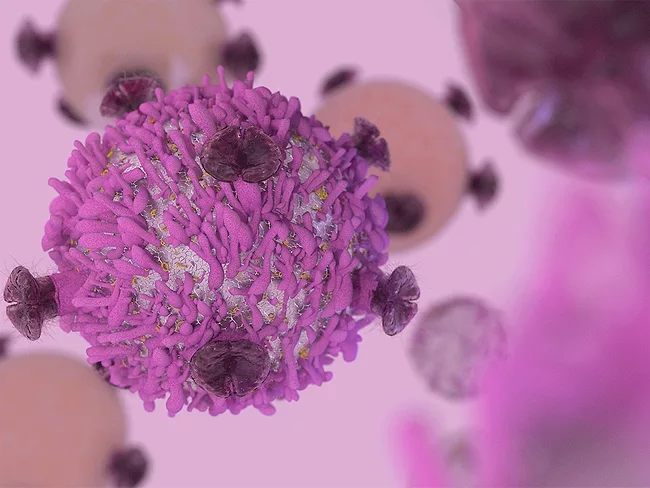
Immunotherapy-focused biotech company LTZ Therapeutics Inc. raised more than $10 million in a pre-A+ financing that will be used to continue establishing the company’s platform and pipeline that is initially focused on solid and liquid tumors.
National Institute of Pharmaceutical R&D Co. Ltd. has identified Toll-like receptor 8 (TLR8) agonists reported to be useful for the treatment of cancer and viral infections.
Chongqing Fochon Pharmaceuticals Co. Ltd. has divulged apoptosis regulator Bcl-2 inhibitors reported to be useful for the treatment of cancer, Addison’s disease, allergy, asthma, atherosclerosis, ankylosing spondylitis, Alzheimer’s disease and systemic lupus erythematosus, among others.
Treatment failure after repeated administration of cisplatin, one of the most used cancer chemotherapeutics, is due to either development of treatment resistance or chemotherapy-induced neuropathic pain.
 RSS
RSS