Researchers from Black Diamond Therapeutics Inc. presented the discovery and preclinical characterization of a novel brain-penetrant BRAF class I/II/III mutation inhibitor, BDTX-4933.
Researchers from Aligos Therapeutics Inc. have described the discovery of novel liver-targeted oral PD-L1 small-molecule inhibitors for the treatment of chronic hepatitis B and liver cancers.
CD39 has an essential role in converting extracellular adenosine triphosphate (ATP; pro-inflammatory) into adenosine monophosphate (AMP; anti-inflammatory). Preventing the action of CD39 in the tumor microenvironment would increase levels of ATP, causing myeloid cell activation and improvement of tumor control.
Investigators working at University of Texas Health Science Center, Houston, have discovered that the ubiquitin ligase UBR2 is up-regulated and sufficient for targeting the myosin heavy chain protein for the degradation characteristic of cancer cachexia. UBR2 knockout or pharmacological inhibition could prevent cachexia in mice. Confirmatory observations were noted in cancer cachexia patient-derived tissues.
Immutep Ltd.’s lead immunotherapy candidate eftilagimod (IMP-321, efti) met the primary endpoint in its phase II trial evaluating the combination of efti and Merck & Co. Inc.’s Keytruda (pembrolizumab) as first-line treatment of non-small-cell lung cancer (NSCLC), reporting final data that show an overall response rate of 40.4%.
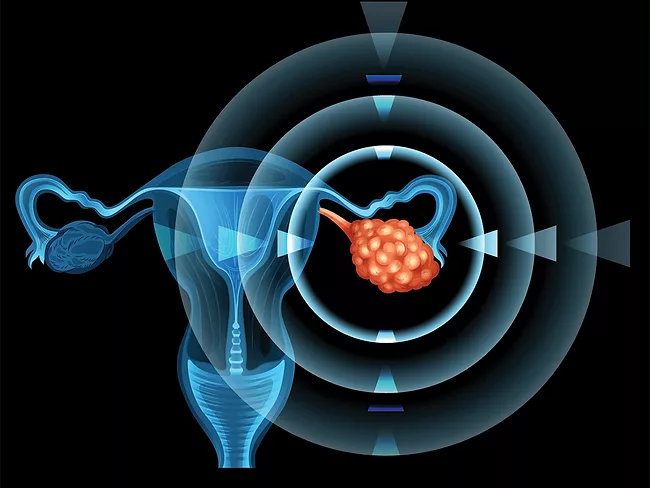
GSK plc said it will restrict the second-line maintenance indication for ovarian cancer drug Zejula (niraparib) to only patients with deleterious or suspected germline BRCA mutations, at the request of the FDA, in a sign that U.S. regulators aren’t going to relax scrutiny on PARP inhibitors any time soon.
In August, Pact Pharma Inc. suspended its phase I trial after 16 patients had been treated with its autologous CRISPR-edited T cells “for business reasons,” the company announced at the time. Scientifically, though, the trial broke enough new ground to be concurrently presented in a late-breaking oral session at the 2022 annual meeting of the Society for the Immunotherapy of Cancer (SITC) and published as an accelerated article preview in Nature on Nov. 10, 2022.
New and updated preclinical and clinical data presented by biopharma firms at the Society for Immunotherapy of Cancer Annual Meeting including: Apexigen, Aulos, CG, Crispr, Cue, Curevac, Domain, Enterome, Immutep, Invios, Iovance, Medikine, Neoimmunetech.
Novartis AG has synthesized heteroaryl aminopropanol derivatives acting as leukotriene A4 hydrolase (LTA4H; LTA4) inhibitors reported to be useful for the treatment of cancer, chronic obstructive pulmonary disease (COPD), psoriasis, sepsis, periodontal and autoimmune disease, cardiovascular and inflammatory disorders, among others.
 RSS
RSS