Researchers from Incyte Research Institute presented the discovery of a cyclin-dependent kinase 2 (CDK2) inhibitor, INCB-123667, being developed for the treatment of cyclin E dysregulated cancers.
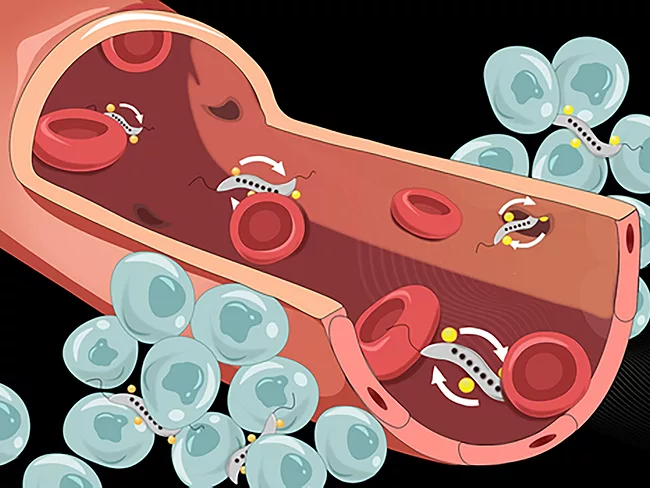
A new method for controlling naturally magnetized bacteria has improved the prospects of applying them as vehicles for intratumoral delivery of cancer drugs and in hyperthermia therapy.
Shares in Clovis Oncology Inc. (NASDAQ:CLVS) tumbled more than 71% after it warned it is facing bankruptcy with barely enough cash left to last until the end of 2022, debts of more than $3 billion, and dwindling revenues from its only approved cancer drug, Rubraca (rucaparib).
Orion Corp. has described transcriptional coactivator YAP1/transcriptional enhancer factor (TEAD) interaction inhibitors reported to be useful for the treatment of cancer, musculoskeletal and neuropathic pain.
Nuvalent Inc. has disclosed amino-substituted heterocycles acting as HER2 (erbB2) (mutant) inhibitors reported to be useful for the treatment of cancer.
Researchers from Scorpion Therapeutics Inc. presented preclinical data for the novel EGFR exon 20 mutant inhibitor STX-721, being developed for the treatment of non-small-cell lung cancer (NSCLC).
MGFB, a subsidiary of Fairwinds Bio, has entered into a patent license agreement with Mayo Clinic to advance experimental cancer vaccine therapeutics based on a novel platform developed at Mayo.
Myc-associated factor X (MAX), the protein that forms dimers with Myc, could hold the key to blocking one of the most intractable oncogenes. Scientists at the University of Chicago have designed a synthetic molecule that effectively mimics a module of MAX's binding domain. In parallel, the Omomyc protein OMO-103, developed by researchers at the Vall d'Hebron Institute of Oncology (VHIO) in Barcelona, successfully completed a phase I clinical trial. From different therapeutic perspectives, both approaches corner Myc and predict the advance of this slow line of research.
 RSS
RSS