Kaneka Corp. has acquired Japan Medical Device Technology Co. Ltd. (JMDT), to expand its reach in the coronary stent business segment. Financial terms of the deal were not disclosed.
Edwards Lifesciences Corp. set analysts a-spin ahead of its investor day activities with the revelation it plans to launch its critical care unit as a stand-alone public company next year. Edwards expects that dividing the business will allow it to focus on cardiovascular and surgical markets.
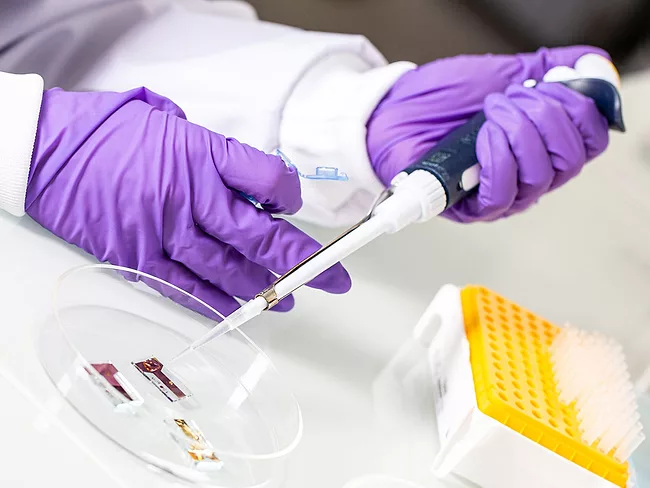
Omini SA hopes that the multiplexed blood testing platform it is developing will transform the lives of patients suffering from heart failure. With its multiplex, sensor-based testing strip that simultaneously measures four key biomarkers from a single drop of blood, the company’s technology should increase the chance of a patient’s survival and reduce pressure on health care systems, Joanne Kanaan, CEO and co-founder of Omini, told BioWorld.
A Genentech Inc. patent discloses new benzothiazole compounds acting as von Hippel-Lindau disease tumor suppressor (VHL) inhibitors and reported to be useful for the treatment of ischemia, cancer and anemia.
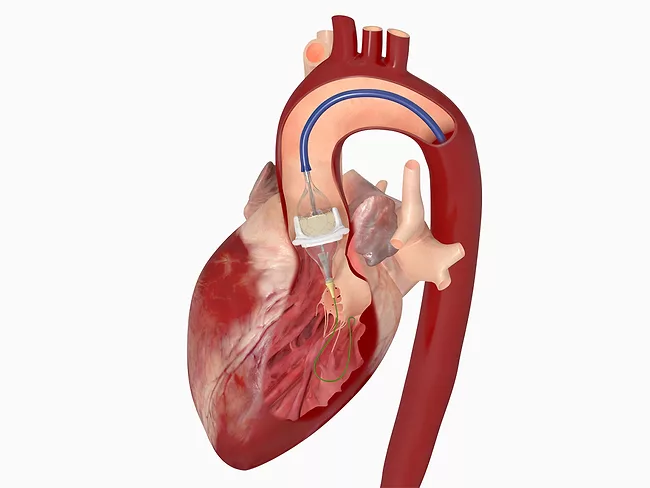
Johnson & Johnson completed the previously unheralded acquisition of privately held Laminar Inc. for $400 million upfront, with undisclosed contingent payments depending on achievement of clinical and regulatory milestones starting in 2024. The deal provides the med-tech giant a potentially game-changing entree into the lucrative left atrial appendage (LAA) market.
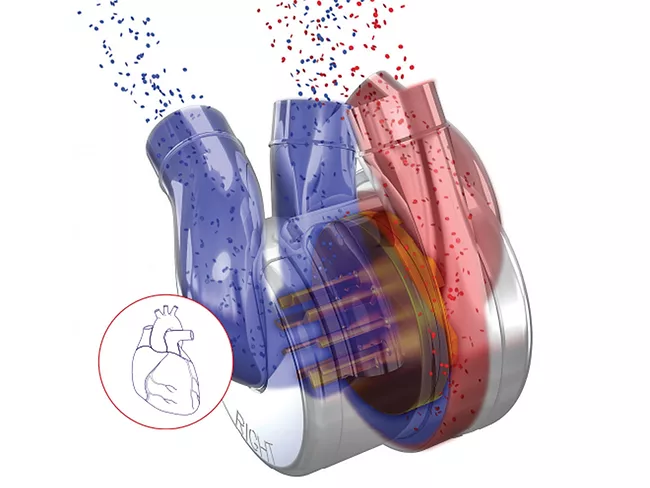
“The FDA approval to begin the Bivacor Total Artificial Heart EFS is a critical milestone for Bivacor and is another validation of the remarkable work and accomplishments of the entire Bivacor team. This device will provide a unique approach to help patients currently with limited clinical options,” said William Cohn, heart surgeon at the Texas Heart Institute and Bivacor chief medical officer.
In a deal that could bring Avidity Biosciences Inc. $2.3 billion if all milestones are met, Bristol Myers Squibb Co. gained global rights to Avidity’s antibody oligonucleotide conjugates platform to advance up to five genetic cardiovascular targets. Avidity’s technology, which combines the specificity of monoclonal antibodies with the precision of oligonucleotide therapies, aims to address the root cause of diseases that are untreatable with current RNA therapeutics. Its lead internal programs are based on the targeted delivery of RNA into muscle.
The Cari-Heart, a medical imaging technology which detects signs of inflammation around coronary arteries, can predict the risk of a cardiac event, independent from clinical risk scores and the interpretation of coronary computed tomography angiography (CCTA), according to data from a study presented at the recent American Heart Association Scientific Sessions.
Xenter Inc. is seeking patent protection for capacitive micromachined ultrasonic transducer (CMUT) containing medical devices, including intraluminal devices such as guidewires and catheters comprising sensors for imaging and/or measuring of one or more physiological parameters.
Based on previous studies that have demonstrated the potential of growth hormone-releasing hormone receptor (GHRH-R) antagonists to modulate immune responses to bleomycin lung injury, researchers from the University of Miami and affiliated organizations aimed to evaluate the potential of the GHRH-R antagonist MIA-602 in a mouse model of rVSV-SARS-CoV-2-induced pulmonary dysfunction and heart injury.
 RSS
RSS