Stanford University researchers are seeking patent protection for a medical device for performing endovascular surgical procedures, such as thrombectomy, rotablation, drug delivery and treating brain aneurysms. The device includes a magnetically actuated untethered rotation device, i.e., a magnetic spinner, that can navigate in blood vessels through its spinning-enabled propulsion.
The renal denervation hypothesis of hypertension was initially viewed with some skepticism, and Dublin-based Medtronic plc. endured a major setback when clinical trial data failed to make a compelling case for approval for the Symplicity Spyral. However, the company finally landed an FDA approval for the device, opening the gates to a new and significant market opportunity even with competition already on the market.
Surmodics Inc. reported positive two-year data from the SWING trial, the first-in-human study to look at the safety of its Sundance Sirolimus drug-coated balloon (DCB) when used to treat occlusive disease of the infrapopliteal arteries. Results presented at the VEITHsymposium in New York showed that the Sundance Sirolimus DCB demonstrated an excellent safety profile and achieved primary patency of 71.4% at 24 months in the per protocol analysis population.
Brise Pharmaceutical (Shanghai) Co. Ltd. has divulged calcitonin gene-related peptide receptor (CALCRL; CGRPR) antagonists reported to be useful for treatment of cerebrovascular and vascular disorders.
Eli Lilly and Co. shared insights into an inhibitor targeting ANGPTL3, named solbinsiran. Solbinsiran, a N-acetylgalactosamine (GalNAc) conjugated Dicer-substrate small interfering RNA (DsiRNA), is designed to target ANGPTL3 expression in the liver.
Bitterroot Bio Inc. presented data on an anti-CD47 hybrid protein, BRB-002, tested in a murine model of atherosclerosis. BRB-002 was tested at 2.5 or 10 mg/kg i.p. 3x/week after a high-fat diet. Firstly, BRB-002 was seen to bind CD47 with high affinity in several cell lines, but not in Jurkat CD47-knockout cells.
The outcomes from two investigational CRISPR-based therapies were presented by researchers from Crispr Therapeutics at the recent American Heart Association’s scientific sessions.
While the human epididymis protein 4 (HE4) has been previously identified as a blood biomarker of fibrosis, the relationship HE4 has with other blood biomarkers has not been established.
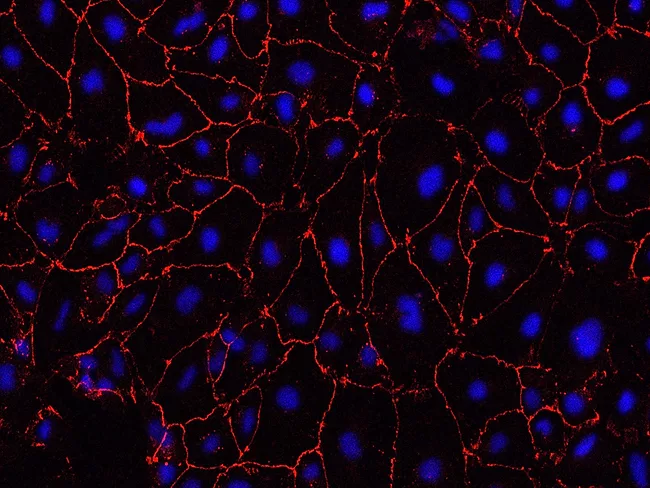
The generation of in vitro small blood vessels mimicking the alterations of cerebral small vessel disease (CSVD) allowed a British research group to identify a way to seal leaks to treat conditions such as stroke or vascular dementia. The inhibition of matrix metalloproteinases (MMPs), enzymes that participate in the formation of new vessels, restored the normal union of the cells, preventing the permeability of the system.
A recognized link exists between oxidative stress, obesity and atrial fibrillation (AF). NADPH oxidase 2 (NOX2) serves as a significant contributor to reactive oxygen species (ROS) production in the heart, and it is known to be elevated in obese mice.
 RSS
RSS