With a $128 million series A financing, Diagonal Therapeutics Inc. launched to develop its lead program using agonist antibodies for treating, among other indications, the rare disease hereditary hemorrhagic telangiectasia. The antibodies are designed to activate a receptor complex in the TGF-β superfamily genetically impaired in patients with the bleeding disorder. Diagonal also is developing a treatment for the orphan disease pulmonary arterial hypertension.
South Korean medical software firm Coreline Soft Co. Ltd. said it gained U.S. FDA 510(k) clearance for its artificial intelligence-based coronary artery calcification assessing solution, Aview CAC, while raising ₩18 billion (US$13.33 million) in a private placement.
Artificial intelligence (AI) is steadily making inroads into the world of health care, and San Francisco-based Eko Health Inc. has taken up the AI call with a stethoscope developed in conjunction with the Mayo Clinic that can detect low ejection fraction of the heart.
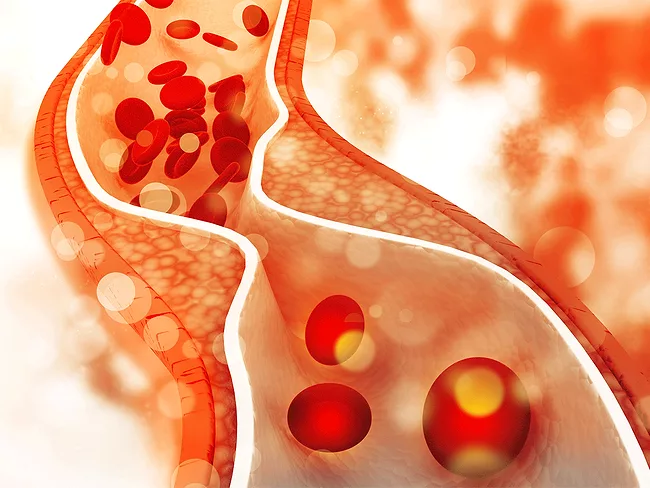
Repair Biotechnologies Inc. has reported new data showing that its lipid nanoparticle (LNP)/messenger RNA (mRNA) therapy rapidly reversed the progression of atherosclerosis in mouse models applicable to familial hypercholesterolemia as well as atherosclerosis in the broader population.
Abbott Laboratories reported the U.S. FDA approval of a new device specifically designed for the repair of leaky tricuspid heart valves. The Triclip was granted a PMA for the treatment of tricuspid regurgitation following the recent recommendation of the Circulatory System Devices Panel of the Medical Devices Advisory Committee for the FDA, whose vote confirmed 13 to 1, with 0 abstention that the benefits of Triclip outweighed the risks.
Plasma pharmacodynamic biomarkers may be a reliable tool for biosimilarity assessment without having to rely on clinical trials, which are costly and time consuming.
Merck & Co. Inc. is looking to a fast launch for sotatercept, its newly U.S. FDA-approved pulmonary arterial hypertension (PAH) drug. The agency cleared the drug, branded Winrevair, under priority review on its March 26 PDUFA date, marking the first in a new class of therapies the company has touted for its potential for disease modification.
Artivila Biopharma has divulged azepine fused ring compounds acting as receptor-interacting serine/threonine-protein kinase 1 (RIPK1; RIP-1) inhibitors reported to be useful for the treatment of coronary heart disease, inflammatory bowel disease, liver diseases, myocardial infarction, neurodegeneration, stroke, inflammatory disorders and renal disorders, among others.
In what co-founder and CEO Claudia Ulbrich called the “right decision with right partner at the right point in time,” Cardior Pharmaceuticals GmbH agreed to an acquisition by Novo Nordisk A/S in a deal worth up to €1.025 billion (US$1.1 billion) that puts a potentially disease-modifying heart failure candidate in the hands of a big pharma player in the midst of establishing its presence in cardiovascular disease.
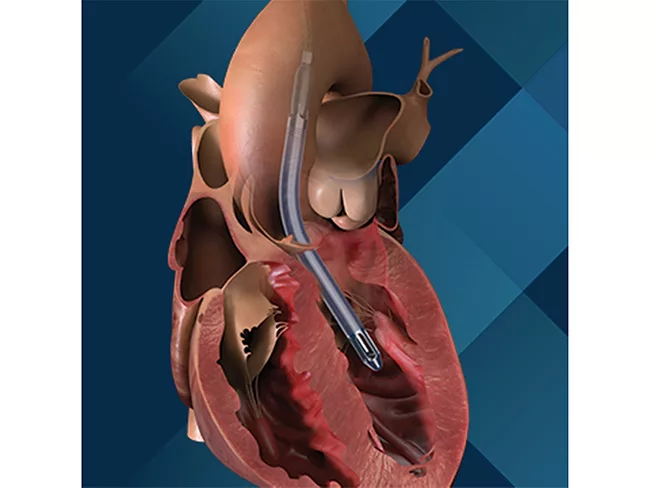
The U.S. FDA posted notice of a medical device correction of Abiomed Inc.'s Impella series of left-side blood pumps because of the risk of perforation of the left ventricle during device placement. The FDA noted that it has received 129 reports of serious injury and 49 reports of fatalities associated with these devices, but did not indicate whether device malfunction was the source of these adverse events. Abiomed advises customers that the device should be implanted “with special care” in patients during active cardiopulmonary resuscitation, and to review some updated warnings in the product’s instruction for use statement.
 RSS
RSS