Corxel Pharmaceuticals Ltd.’s oral small-molecule GLP-1 receptor agonist, CX-11, met the primary endpoints in a phase II trial evaluating the candidate in obese and overweight patients in the U.S., according to top-line results.
Despite some back-and-forth with the U.S. FDA regarding inclusion in the somewhat controversial Commissioner’s National Priority Voucher (CNPV) program, Sanofi SA’s Tzield (teplizumab) gained FDA clearance, expanding use of the CD3-directed monoclonal antibody as a disease-modifying therapy for patients with recently diagnosed stage 3 type 1 diabetes (T1D).
Former principal officers of the American Diabetes Association (ADA) have hit back at the association’s board and CEO after it prohibited the distribution of an editorial published in its flagship journal Diabetes Care at the ADA’s meeting in New Orleans last Friday.
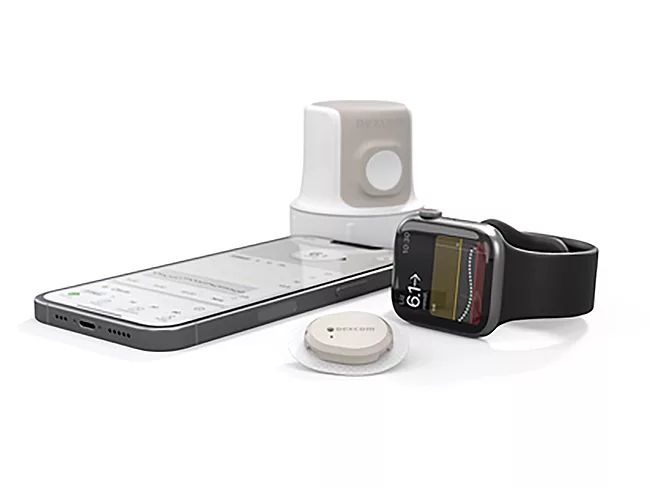
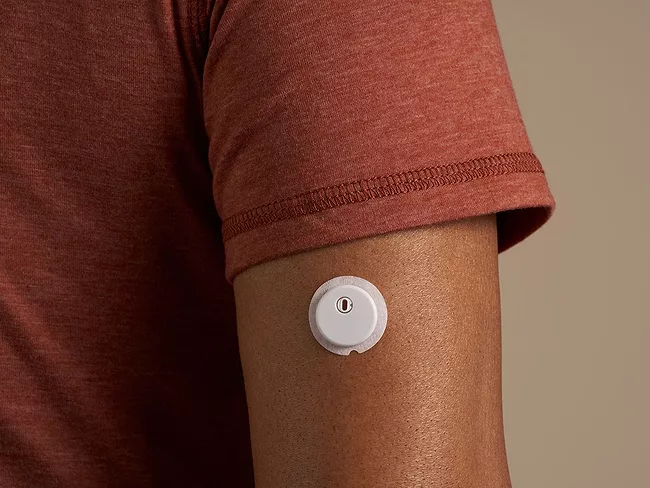
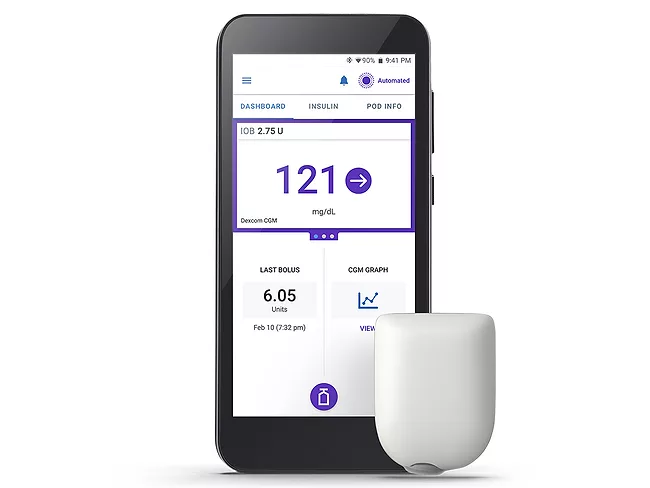
Dexcom Inc. and Insulet Corp. reported new clinical trial data on their diabetes technologies at the 2026 Scientific Sessions of the American Diabetes Association in New Orleans, offering insights that could aid in clinical adoption. Abbott Laboratories, meanwhile, highlighted the risks of diabetic ketoacidosis (DKA) and presented data showing the growing challenge of identifying DKA as it can develop quickly and mimic common illnesses.
Abbott Laboratories received CE mark approval for two dual glucose and ketone sensing systems, bringing to the market sensors that could be transformational to the lives of people with diabetes at risk of diabetic ketoacidosis.
Insulet Corp. has initiated a voluntary medical device correction affecting insulin pump pods in its Omnipod product lines after discovering a manufacturing issue that could lead to the leaking of insulin and the under-delivery of doses in some patients. The company said that some pods from specific lots may have a small tear in the cannula.
Reports that Sanofi SA has asked to withdraw its sBLA for Tzield (teplizumab) from the U.S. FDA’s Commissioner’s National Priority Voucher (CNPV) program is once again raising questions about whether leadership skepticism is overruling approval decisions at the agency.
Wall Street met with satisfaction but not surprise Eli Lilly and Co.’s undeniably positive top-line results from the phase III Achieve-4 study testing the efficacy and safety of Foundayo (orforglipron) compared to insulin glargine in adults with type 2 diabetes and obesity or overweight at increased cardiovascular risk.
Introduced last year as a pilot program, the U.S. FDA Commissioner’s National Priority Voucher (CNPV) could be here to stay – at least for the duration of Marty Makary’s tenure as FDA commissioner. Since the FDA unveiled the CNPV last June, it has welcomed 18 products from 16 companies into the “game-changer” program for patients, as Makary described it. The goal is to provide an “ultrafast review pathway,” one to two months instead of the standard 10 to 12 months, for drugs and biologics of strategic national importance while maintaining the FDA’s scientific and regulatory standards, according to the agency.
Medtronic plc has lowered its fiscal year 2026 earnings per share (EPS) guidance by 12 cents on the back of factors relating to its diabetes subsidiary, Minimed Group Inc., which recently completed its IPO.
 RSS
RSS