Amylyx Pharmaceuticals Inc.’s acquisition of GLP-1 receptor antagonist avexitide for $35.1 million from Eiger Biopharmaceuticals Inc. could bring the firm “to the forefront of the obesity and diabetes drug landscape in a unique way,” said H.C. Wainwright analyst Andrew Fein. Co-CEO and co-founder Justin Klee said the deal came after Amylyx checked out “hundreds of assets” over the last few years, and its closing brought added attention to phase III-ready, first-in-class avexitide.
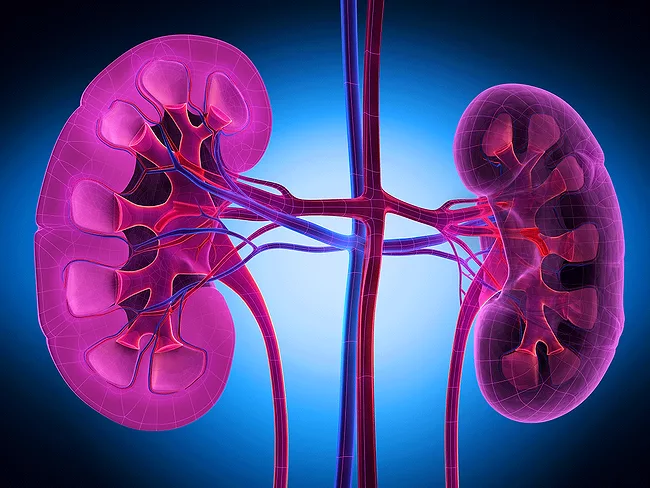
Biocity Biopharmaceutics Co. Ltd.’s selective endothelin receptor type A antagonist, SC-0062, met the primary endpoint of reducing proteinuria in a phase II chronic kidney disease trial. The candidate showed a clinically meaningful and statistically significant reduction in proteinuria, with a clear dose-response relationship and good safety profile.
Just seven months after in-licensing ocedurenone (KBP-5074) from KBP Biosciences Pte. Ltd. in a $1.3 billion deal, Novo Nordisk A/S halted its late-stage study after ocedurenone failed to significantly control hypertension in chronic kidney disease patients.
The obesity market is hot with Novo Nordisk A/S generating $6.3 billion in sales from its semaglutide-containing drugs, Ozempic, Saxenda, Rybelsus and Wegovy, in the first quarter of 2024 and Eli Lilly and Co. bringing in $2.3 billion for its tirzepatide-containing drugs, Zepbound and Mounjaro, in the same quarter. It appears unlikely the market will be a two-horse race for much longer though.
Novo Nordisk A/S’ CEO Lars Jørgensen is set to be the next executive in the U.S. Senate Health, Education, Labor and Pensions (HELP) Committee’s pharma parade of shame. HELP Chair Bernie Sanders (I-Vt.) announced June 24 that Jørgensen will testify before the committee Sept. 24 about his company’s U.S. pricing of its blockbuster semaglutide drugs, Ozempic and Wegovy.
The U.S. FDA has approved the NDA for Sofdra (sofpironium) for treating excessive underarm sweating from Botanix Pharmaceuticals Ltd. The approval was based on two pivotal phase III studies and is approved for those ages 9 and older.
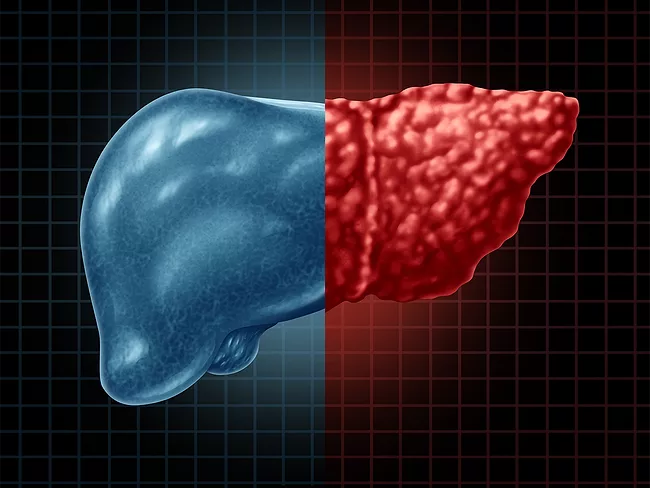
Innovent Biologics Inc.’s glucagon-like peptide-1 receptor and glucagon receptor dual agonist, mazdutide, saw 80% reduction in liver fat content in patients with more than 10% liver fat content in the phase III Glory-1 obesity trial.
Marea Therapeutics came out of stealth mode on June 18, after raising a combined $190 million through its series A and B financings. The series A round was led by Third Rock Ventures, and the series B round was led by Sofinnova Investments and co-led by Forbion, Perceptive Xontogeny Venture Fund and Venbio.
High weight is associated with a greater risk of developing many cancers, and with an increased risk of metastasis. But in some cancers such as renal cell carcinoma, it is also associated with better survival and a better response to immunotherapies in particular.
After delivering animal data to show that inhibiting the NLRP3 inflammasome induces weight loss in mice, Nodthera Ltd. has now demonstrated this effect translates to humans. In a phase Ib/II study of NT-0796, an orally available, brain-penetrant drug, subjects in both the active and placebo arms all lost weight, due to the calorie-restricted diet they received in the 28-day trial.
 RSS
RSS