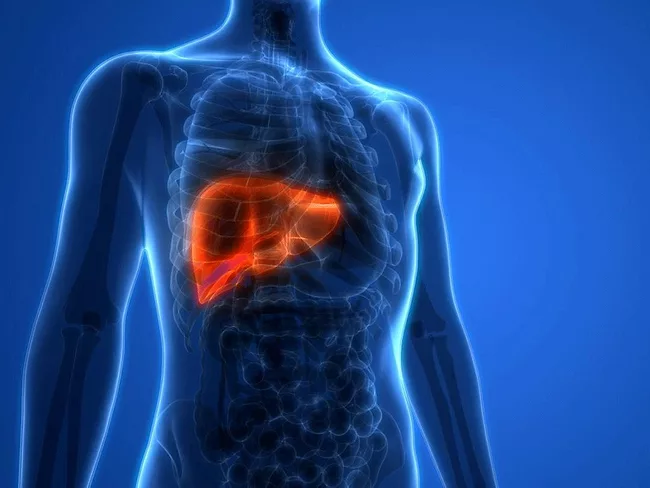
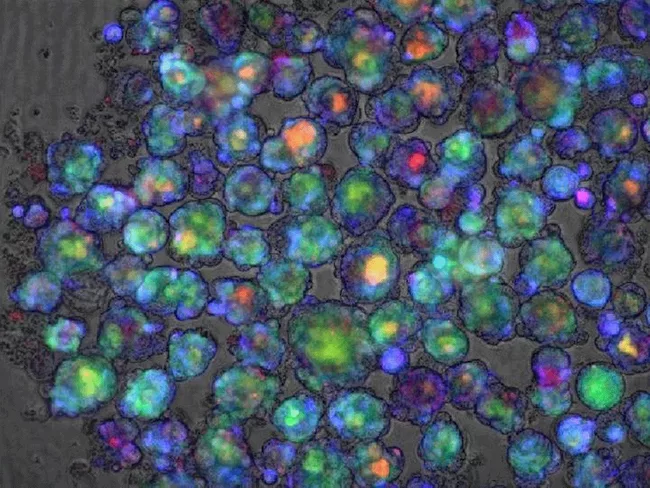
Organoids grown from cholangiocytes – the epithelial cells of the bile duct – are poised to be used in ex vivo cell therapy to increase the number of donated livers that are suitable for transplant, and also for direct bile duct repairs. The organoids have been shown to be effective in correcting defects in mouse models and in perfused donated livers. They are now being tested in large animal models.
In what is claimed as the first co-authored research between regulatory scientists at the U.S. FDA and a commercial manufacturer of organ-on-a-chip devices, CN Bio's Physiomimix system is shown to perform better than the current standard in vitro liver toxicity tests. In addition to maintaining its function for longer than 2D hepatocyte cultures or 3D spheroids, Physiomimix was found to reproducibly assess toxicity, metabolism and intracellular accumulation of drugs.
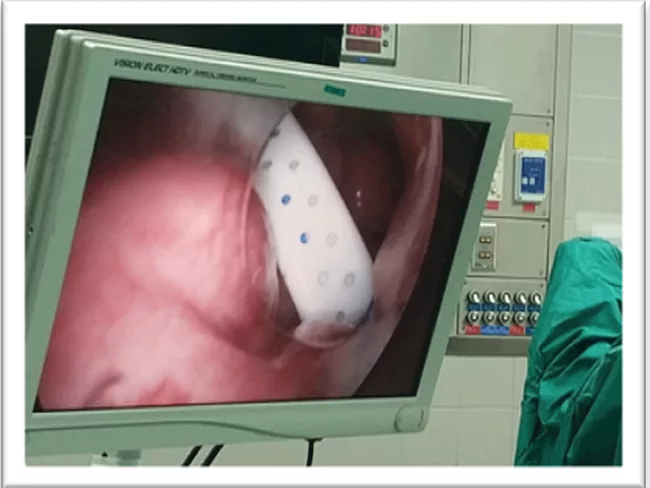
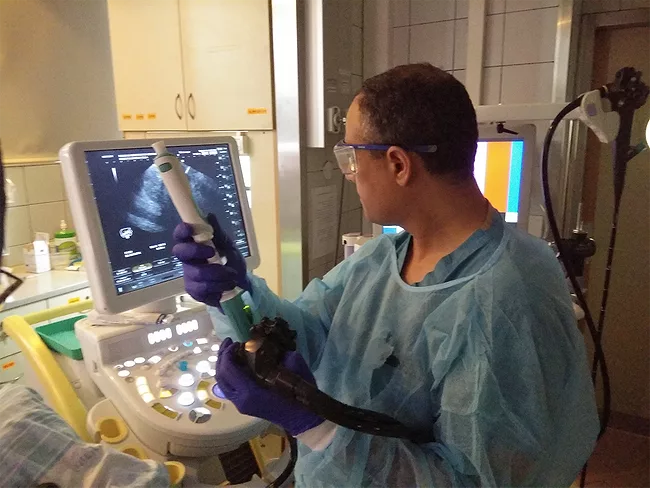
The U.S. FDA granted de novo marketing authorization to Interscope Inc.’s Endorotor system for direct endoscopic necrosectomy (DEN) of walled-off pancreatic necrosis, giving the specialty device a cutting edge over more generic tools often used for the challenging procedure. Endorotor received a CE mark for this indication in 2018 and also has FDA 510(k) clearance for post-endoscopic mucosal resection tissue persistence with a scarred base and for removal of endobronchial tumors and granulation tissue.
The U.S. FDA granted a breakthrough device designation to Exero Medical Ltd.’s implantable smart sensor for early detection of anastomotic leaks after gastrointestinal (GI) surgery. The device continuously monitors the GI tract near the surgical site to alert providers about potentially deadly leaks.
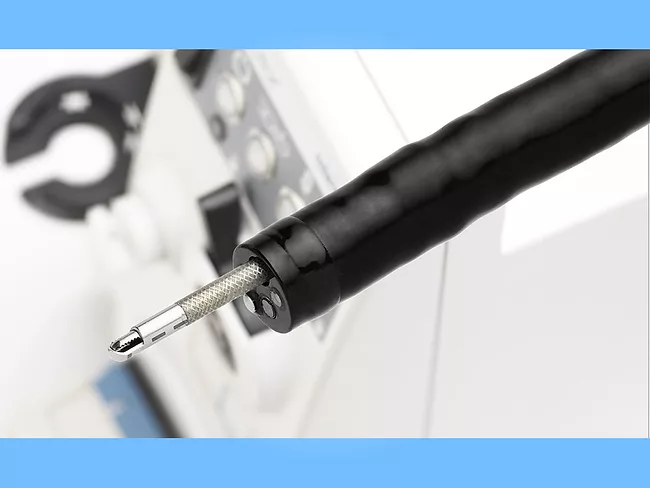
Endoscopic ultrasound-guided biopsy startup Limaca Medical Ltd. has raised $1.25 million of a $1.5 million round to advance its next-generation Precision device. The company said it will use the funds to complete first-in-human procedures, conduct postmarket clinical studies and gain regulatory approvals of Precision for gastrointestinal (GI) system and adjacent organ tumors.
According to the National Institute of Diabetes and Digestive and Kidney Diseases (NIDDK), drug-induced liver injury (DILI) is the leading cause of acute liver failure in the U.S. It is also a leading cause of drug failure in clinical trials. Now, researchers have used liver organoids to develop a polygenic risk score that could predict the risk of liver toxicity for multiple different drugs, regardless of the underlying mechanism.
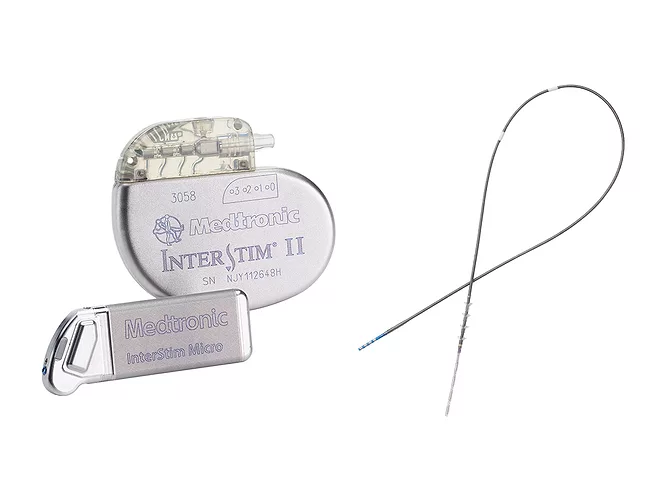
Medtronic plc has won U.S. FDA approval of its Interstim Micro rechargeable sacral nerve stimulator and Interstim Surescan MRI leads for the treatment of urinary and bowel dysfunctions. The new products make Medtronic the only company to offer a choice between rechargeable and recharge-free sacral neuromodulation (SNM) systems, allowing patients to align their treatment with personal lifestyle preferences.
Exero Medical Ltd. aims to improve monitoring the gastrointestinal system after surgery with a wireless, biodegradable anastomotic leak sensor implant. It has started a tiny five-patient, first-in-human study as a proof of concept for its technology.
By targeting chimeric antigen receptors (CARs) to a senescence marker, researchers at Memorial Sloan-Kettering Cancer Center have developed a CAR T cell that had beneficial effects in mouse models of both liver fibrosis and lung cancer.
Transmedics Group Inc. reported a proposed public offering of $60 million of its shares of common stock (NASDAQ:TMDX). The Andover, Mass.-based company expects to grant underwriters a 30-day purchase option for additional shares of its common stock up to 15% of the number of shares sold in the offering. J.P. Morgan and Morgan Stanley are jointly managing the proposed offering with Canaccord Genuity acting as lead manager.
 RSS
RSS