Endotheia Inc. reported the successful completion of a first-in-human clinical trial of its steerable technology for endoscopic surgery. The single-use device integrates with standard forward-viewing gastroscopes, allowing physicians to replicate the functions of specialized duodenoscopes that are currently used in the treatment of biliary disease.
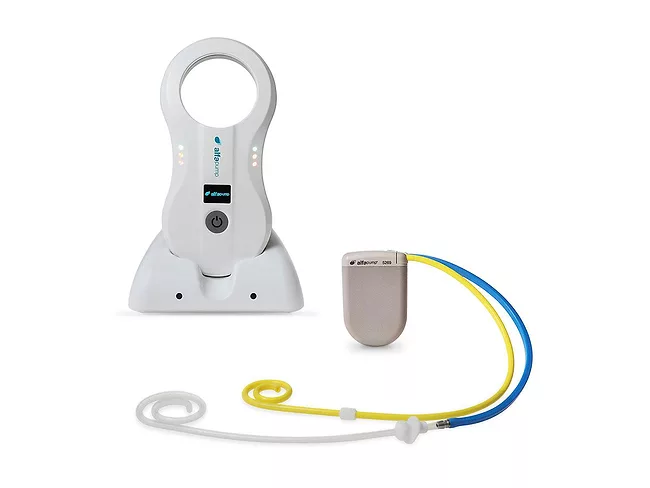
Sequana Medical NV has reported additional data on safety, survival and quality of life from its POSEIDON pivotal study in North America, evaluating its Alfapump device used in the treatment of patients with recurrent or refractory ascites caused by liver cirrhosis. The data were recently presented at the European Association for the Study of the Liver 2023 congress in Vienna.
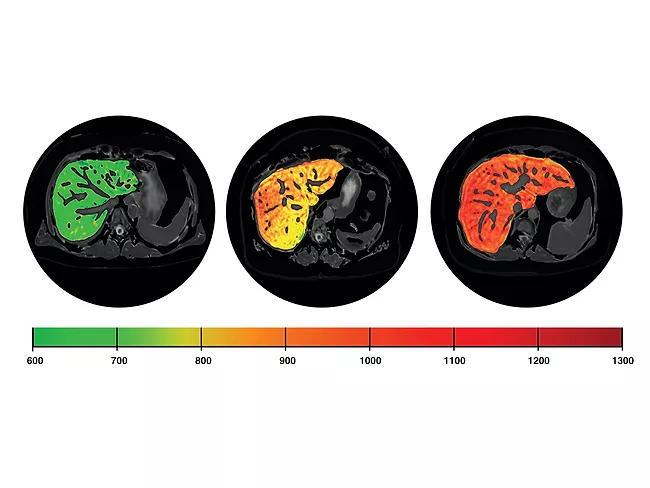
The early detection of chronic liver disease (CLD) could help in the prevention of cardiovascular diseases (CVD), according to a study published in the Journal of Hepatology. Using Perspectum Ltd.’s Livermultiscan, a noninvasive MRI scan, researchers analyzed liver data and found that liver disease activity measured by MRI corrected T1 (cT1) is associated with higher risk of major CVD events.
A pill that delivers electrical stimulation to the vagus nerve from inside the stomach was able to trigger the release of appetite-controlling neurohormones, specifically the “hunger hormone” ghrelin.
Shenzhen Proxinse Medical Technology Co. Ltd. raised an undisclosed amount in a series A financing to develop endoscope-related products. This round of financing was led by Guangdong Technology Financial Group Co. Ltd.
Investors ate up the opportunity to be part of Gemelli Biotech Corp.’s series A funding round, which raised $19 million to support the company’s growth and expand access to its diagnostic tests for gastrointestinal (GI) diseases. Blue Ox Healthcare Partners led the round with founding investor Cedars-Sinai and support from Carolina Angel Network, Cerracap Ventures and several family offices.
Shenzhen Xzing Technology Co. Ltd. received marketing approval from China’s NMPA for its Endofresh disposable electronic colonoscope. The disposable colonoscope provides images with 1920 x 1080 pixels, which helps with diagnosis. It is equipped with auxiliary water and a lens-washing function to make sure of clear vision throughout endoscopy. It also allows users to insert endoscopic accessories at any bending angle no more than 210 degrees.
Camera pills were never quite like this. Developed by Vibrant Gastro Inc. for people suffering from chronic idiopathic constipation (CIC) the Vibrant system capsule is designed to travel deep into the gut and vibrate, augmenting the natural mechanisms of the body that govern bowel function.
Xbiome Inc. acquired M-201, a clinical-stage program from Assembly Biosciences Inc., to treat patients with mild to moderate ulcerative colitis as it looks to develop products to address the growing incidence of bowel disease throughout Asia. The company expects to start a phase Ib trial of the oral live biotherapeutic product in the U.S. in 2022 and also plans to run clinical trials in China.
A 2,000-patient U.K. study has been set up to generate real-world evidence of the value of using AI technology to detect bowel polyps (adenomas) during colonoscopy procedures. The aim is to show whether Medtronic plc’s GI Genius system improves the detection of polyps when deployed in both expert centers and non-specialist units, in the routine diagnostic screening of patients referred from primary care or through the national fecal immunochemical testing program.

 RSS
RSS