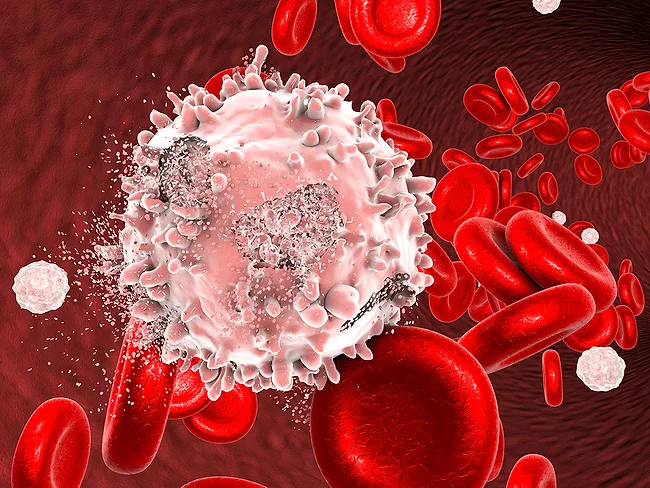
Clonal hematopoiesis (CH), where few blood stem cells produce a significant fraction of mature blood cells that are genetically identical, is partly an inevitable feature of aging. Certainly, it is near universal in those older than 60. CH is not itself a disease, but 1%-2% of CH cases progress to acute myeloid leukemia, and it raises the risk of some other types of cancer as well. A total of eight genes are responsible for 95% of CH cases, George Vassiliou told the audience in Saturday’s plenary session at the 2026 Annual Congress of the European Hematology Association (EHA 2026).
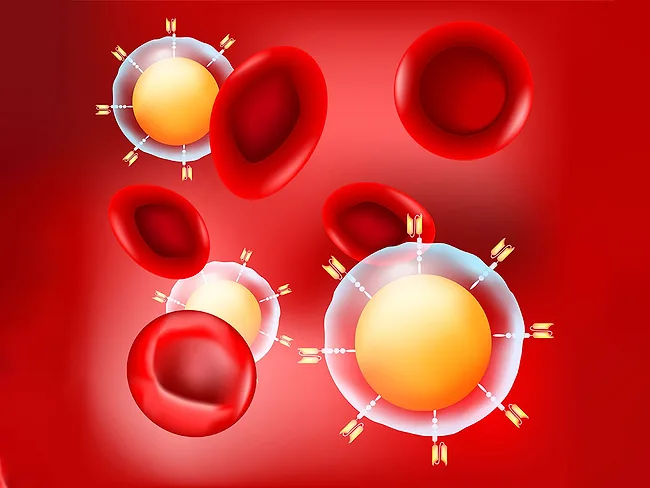
Treatment with first-generation CAR T cells regularly sent patients to the intensive care unit. Now, investigators are envisioning a future where CAR T treatment could occur on an outpatient basis. At Sunday’s late-breaking oral session of the 2026 Annual Congress of the European Hematology Association (EHA2026), Lei Fan told his audience that the first-in-human data “support further development of LB-2501 as a potential first-in-class, off-the-shelf, single infusion, no lymphodepletion, outpatient use CAR T therapy.” Fan is a professor of hematology at the First Affiliated Hospital of Nanjing Medical University.
In the most simplistic view, adult cancers occur because “immature cells are exposed to mutagens, accumulate mutations, and across life ultimately transform into cancer cells,” Franck Bourdeaut told his audience at the 2026 Annual Congress of the European Hematology Association (EHA 2026). “On the contrary, in pediatric cancers, it is assumed that very few mutations are responsible for a maturation block, make these cells derail from their normal differentiation trajectory and ultimately result in an early onset typical pediatric cancer.”
Tolerability is a key factor in the appeal of Enliven Therapeutics Inc.’s ELVN-001 for previously treated chronic myeloid leukemia (CML), which yielded positive updated phase I data from the Enable trial. Dennis Kim, hematologist from Princess Margaret Cancer Center in Toronto, said he would use the drug for a patient “who doesn’t have any other options.”
China’s National Medical Products Administration (NMPA) on June 4 granted conditional approvals to two oncology drugs from Lupeng Pharmaceutical Co. Ltd. and Vcare Pharmatech Co. Ltd., as well as one hemophilia drug developed by Staidson Biopharmaceutical Co. Ltd.
Scientists at Columbia University have used base editing to make precise changes in the genomes of human embryos, avoiding the damage to chromosomes that occurs following two-stranded DNA cuts with conventional Crispr-Cas9 editing.
In its largest acquisition to date, Incyte Inc. snagged rights to phase III-stage VGA-039, a monoclonal antibody the firm said could offer a new standard of care in von Willebrand disease (VWD), in a buyout of Vega Therapeutics Inc. that includes a $1.25 billion up-front payment and up to $750 million tied to the achievement of sales milestones. The announcement was followed shortly by news of another buyout, Johnson & Johnson’s deal to acquire Firefly Bio Inc. for $1 billion in cash, both moves continuing this year’s trend of larger, more strategic M&A transactions.
Agios Pharmaceuticals Inc.’s potential $665 million deal for Oscotec Inc.’s cevidoplenib, a phase III-ready oral SYK inhibitor to treat immune thrombocytopenia, marks a new chapter of development focused on cancer therapy resistance for Oscotec, CEO Yoon Tae-young said.
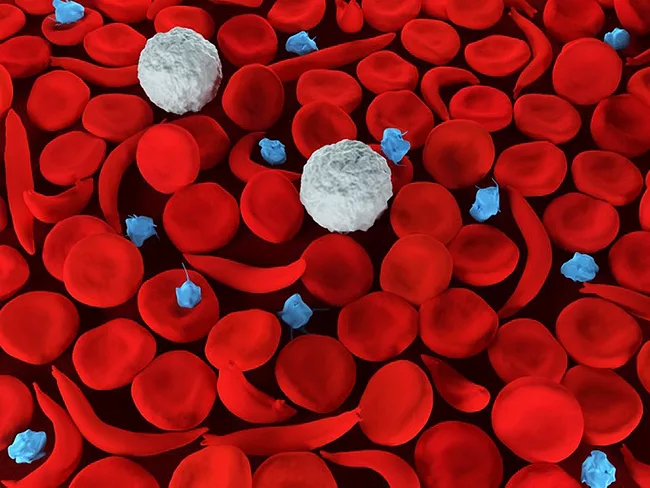
Shares of Fulcrum Therapeutics Inc. (NASDAQ:FULC) fell 54% after the company said it is discontinuing work on sickle cell disease (SCD) candidate pociredir, its only clinical-stage candidate, and reviewing strategic alternatives in the wake of the U.S. FDA’s safety concerns regarding the drug target.
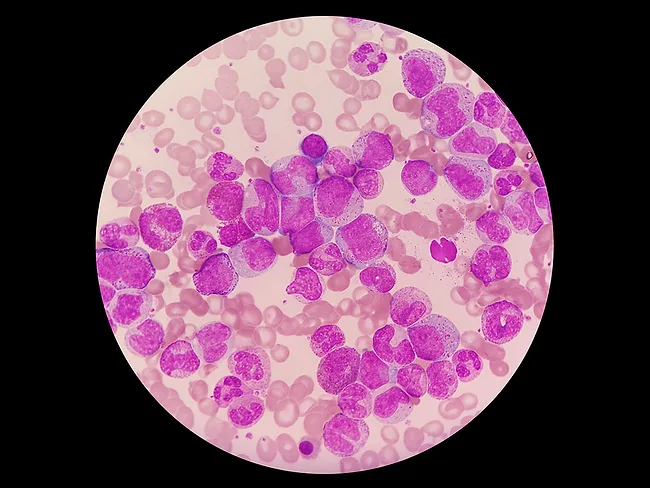
Payoff for the November 2023 buyout of Immunogen Inc. came for Abbvie Inc. in the form of U.S. FDA clearance for the CD123-targeting antibody-drug conjugate Decnupaz (pivekimab sunirine) to treat adults with blastic plasmacytoid dendritic cell neoplasm (BPDCN), an ultra-rare, aggressive and quick-killing hematologic malignancy.
 RSS
RSS