From glaucoma to Stargardt disease, age-related macular degeneration (AMD) to retinitis pigmentosa, or a corneal transplant to Bietti’s crystalline dystrophy, the 27th Annual Meeting of the American Society of Gene & Cell Therapy (ASGCT) is working to bring some light to patients with age and congenital diseases that affect vision. From May 7-11, 2024, thousands of scientists are gathering in Baltimore to show their advances against the challenges of delivering genes and cells to the correct place, avoiding immunogenicity and improving diseases.
Newco Commit Biologics ApS has arrived on the scene after raising €16 million (US$17.2 million) in a seed round to advance bispecific antibodies that are designed to activate the complement system and direct it to selectively kill cancer cells.
“Prenatal therapies are the next disruptive technologies in health care, which will advance and shape the future of patient care in the 21st century,” said Graça Almeida-Porada, a professor at the Fetal Research and Therapy Center of the Wake Forest Institute for Regenerative Medicine in Winston-Salem, North Carolina. At the American Society of Gene & Cell Therapy (ASGCT) annual meeting in Baltimore on May 5, 2024, Almeida-Porada introduced the first presentation of the scientific symposium “Prospects for Prenatal Gene and Cell Therapy.”
Prologue Medicines Inc. has launched to develop therapeutics created from the viral proteome, which are proteins produced across all viruses. It’s a newer twist on harnessing the power of the proteins that regulate biology.
Despite what University of Pennsylvania (Penn) immunotherapy pioneer Carl June referred to as a “cold slap last November” – a launched investigation by the U.S. FDA into a possible link between CAR T-cell immunotherapies and secondary cancers – new unpublished studies by Penn and Stanford University highlight the rarity of such cases.
A week after Bristol Myers Squibb Co. disclosed a significant restructuring plan to focus on long-term growth drivers, the big pharma partnered with Repertoire Immune Medicines Inc. in an early stage, multiyear collaboration to develop T-cell targeted medicines for up to three autoimmune diseases, paying $65 million up front, with a potential $1.8 billion in development, regulatory and commercial milestones, along with tiered royalties.
Boston-based South Korean biotech Genosco Inc. said on April 25 that it passed a technology review required for the special listing track on the tech-heavy Kosdaq market, as it readies an IPO on the Korea Exchange.
X4 Pharmaceuticals Inc. is raring to go with marketing after the firm scored U.S. FDA approval of Xolremdi (mavorixafor) capsules for patients 12 years and older with warts, hypogammaglobulinemia, infections and myelokathexis, or WHIM syndrome, to increase the number of circulating mature neutrophils and lymphocytes.
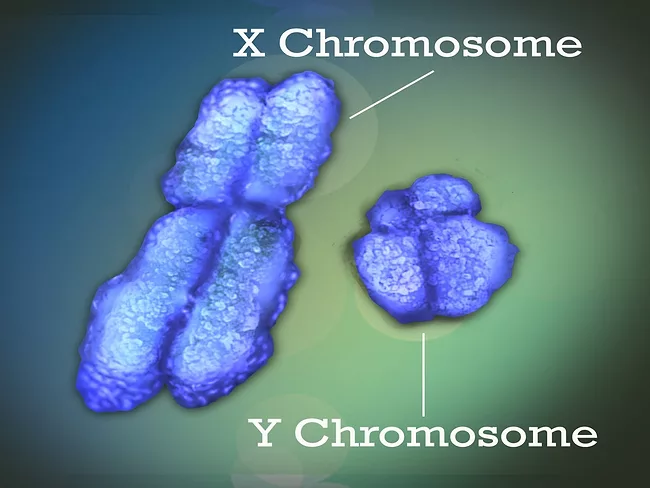
Females have a much greater risk of developing an autoimmune disease than males do. Eighty percent of autoimmune disease patients are female, and specific disorders can have an even more lopsided ratio – 90% of systemic lupus erythematosus (lupus) and almost 95% of Sjögren’s disease patients are female.
Gilead Sciences Inc. is aiming to capitalize on the early August 2022 buyout of privately held U.K. biotech Mirobio Ltd. with the advancement of PD-1 agonist GS-0151 into phase Ib trials for rheumatoid arthritis, a decision that Leerink analyst David Risinger hailed as positive for others at work with the intriguing mechanism. Paying $405 million for Oxford-based Mirobio, Gilead took ownership of the firm’s checkpoint agonists to treat autoimmune diseases.
 RSS
RSS