Signs of recovery are emerging in the biotechnology investment sector, although investors across Asia say that capital is flowing selectively to companies that can demonstrate clinical differentiation, strong management teams and a clear path to commercialization.
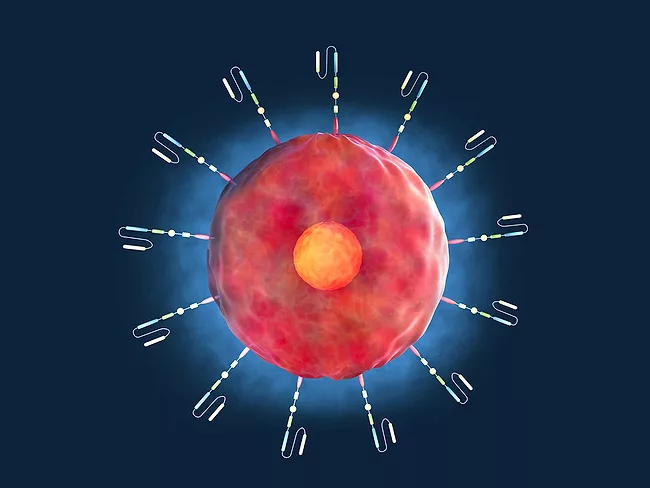
The field of cell and gene therapy is moving toward a new phase of scalability and clinical durability, with in vivo chimeric antigen receptor (CAR) T-cell therapeutics emerging as the dark horse in what speakers at BIO Asia-Taiwan 2026 described as CAR T’s second revolution.
The field of cell and gene therapy is moving toward a new phase of scalability and clinical durability, with in vivo chimeric antigen receptor (CAR) T-cell therapeutics emerging as the dark horse in what speakers at BIO Asia-Taiwan 2026 described as CAR T’s second revolution.
Hinova Pharmaceuticals Inc. has patented new molecular glue degraders comprising E3 ubiquitin-protein ligase binding agents acting as proto-oncogene Vav (VAV1) degradation inducers. As such, they are reported to be potentially useful for the treatment of autoimmune diseases, inflammatory disorders and cancer.
Etern Therapeutics (Wuxi) Co. Ltd. has synthesized new TNF-α inhibitors potentially useful for the treatment of rheumatoid arthritis, Alzheimer’s disease, cachexia, Blau syndrome, Crohn’s disease, ulcerative colitis, multiple sclerosis and psoriasis, among others.
Immix Biopharma Inc.’s shares (NASDAQ:IMMX) sank 14% to $8.80 on July 20 after investors learned that a man named Richard Graydon, who served as its chief medical officer, was in fact a 20-year fugitive from Rhode Island for sexual assault charges.
The field of cell and gene therapy is moving toward a new phase of scalability and clinical durability, with in vivo chimeric antigen receptor (CAR) T-cell therapeutics emerging as the dark horse in what speakers at BIO Asia-Taiwan 2026 described as CAR T’s second revolution.
Kyowa Kirin Co. Ltd. has identified new solute carrier family 15 member 4 (SLC15A4) inhibitors potentially useful for the treatment of autoimmune disease and lupus nephritis.
Mirador Therapeutics Inc. has entered into an exclusive worldwide license agreement with Kira Pharmaceuticals for KP-301, a long-acting anti-C5a antibody with potential to treat ANCA-associated vasculitis.
Valerio Therapeutics SA has entered into a binding term-sheet with Abivax SA setting out the principal terms of an exclusive worldwide research and development collaboration to identify, design and evaluate next-generation therapeutic candidates for immune-mediated inflammatory diseases.
 RSS
RSS