Nuvectis Pharma Inc.’s shares climbed further after the oncology-focused biotech nabbed select rights to a late-stage complement factor B inhibitor (HSK-39297/NXP-100) and a phase I BRAF inhibitor (HSK-42360/NXP-200) from Haisco Pharmaceutical Group Co. Ltd. for $40 million up front.
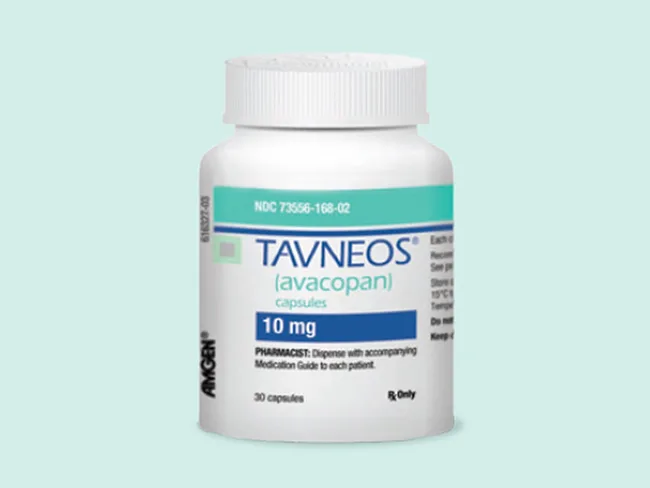
The academic authors of the paper describing the pivotal trial of Amgen Inc.’s Tavneos (avacopan) have retracted it from The New England Journal of Medicine because the primary endpoint assessments of nine patients were “re-adjudicated” after the database was locked and the study unblinded.
The gut microbiota may be altered in people with depression as a result of treatment. These microorganisms reorganize differently in individuals who respond to therapy. In a multiomics study of antidepressant-naive patients presented at the 2026 World Congress of Neuropsychopharmacology (CINP), scientists from National Taiwan University found that patients who improved after antidepressant treatment maintained a more balanced and functional microbial ecosystem, recovered beneficial metabolites, and displayed blood-based biological signals that aligned with these changes.
A U.S. biotechnology company founded by Deerfield Management Company L.P. licensed exclusive rights to Metis Techbio Co. Ltd.’s preclinical trispecific T-cell engager (TCE) for autoimmune disorders in a potential $1.62 billion deal.
Following an initial rebuff in February 2026, the EMA’s Committee for Medicinal Products for Human Use (CHMP) is recommending approval of Acadia Pharmaceuticals Inc.’s Daybu (trofinetide) for treating neurobehavioral symptoms of Rett syndrome, after it took another look at the file.
The gut microbiota may be altered in people with depression as a result of treatment. These microorganisms reorganize differently in individuals who respond to therapy. In a multiomics study of antidepressant-naive patients presented at the 2026 World Congress of Neuropsychopharmacology (CINP), scientists from National Taiwan University found that patients who improved after antidepressant treatment maintained a more balanced and functional microbial ecosystem, recovered beneficial metabolites, and displayed blood-based biological signals that aligned with these changes.
The EMA is recommending withdrawing Amgen Inc.’s complement inhibitor Tavneos (avacopan) from the market in Europe, saying data provided at the time it assessed the MAA “were found to be incorrect and misleading and could no longer be relied upon for demonstrating Tavneos’ effectiveness.”
A year and a half from its formation, Oblenio Bio has generated positive nonhuman primate data for LBL-051 in chronic autoimmune diseases and closed a $62 million series B to move the trispecific T-cell engager into the clinic.
RQ Biotechnology Ltd. has completed an oversubscribed $115 million (£85.5 million) series A financing to advance its long-acting antibody therapeutics for the prevention of influenza in high-risk and immunocompromised populations.
Nuvectis Pharma Inc.’s shares climbed further after the oncology-focused biotech nabbed select rights to a late-stage complement factor B inhibitor (HSK-39297/NXP-100) and a phase I BRAF inhibitor (HSK-42360/NXP-200) from Haisco Pharmaceutical Group Co. Ltd. for $40 million up front.
 RSS
RSS