Copper overload within the body may lead to cancer, neurodegenerative diseases, inflammation or fibrosis, among others. Copper chelation is an effective strategy to counteract this potential overload; mitochondria play an important role, as they are the main copper-using organelles in the cells. Copper chelators have been developed, but they have shown some undesired off-target effects and low specificity, which suggests the need for new therapies in the field.
Cue Biopharma Inc. has reached a preclinical milestone in its collaboration and license agreement with Boehringer Ingelheim Pharma GmbH & Co. KG, following the latter’s selection of a first compound for lead optimization. The milestone triggers a $7.5 million payment to Cue.
Fortitude Biomedicines Inc. has disclosed that its lead program, FORT-202, is a first-in-class T-cell-targeting bispecific antibody for the potential treatment of axial spondyloarthritis. As a bispecific antibody, FORT-202 is designed to address multiple disease-causing pathways and is expected to significantly improve therapeutic efficacy.
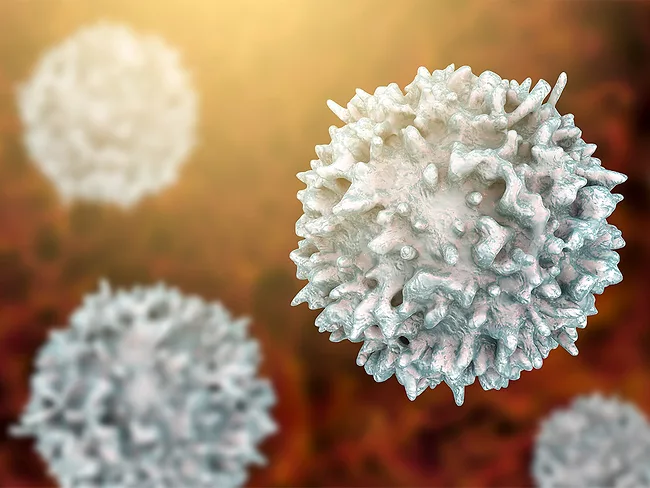
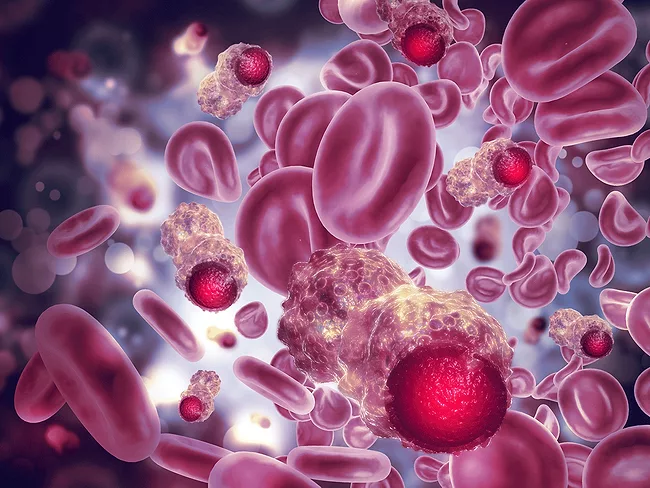
Hematopoietic stem cell research over the past century has shown that leukemia may be driven by an invisible hand of inflammation. The bone marrow and inflammation, then, may hold the keys to preventing blood cancers, according to John E. Dick’s plenary session at the 2026 Korean Society of Hematology International Conference, held March 26, 2026.
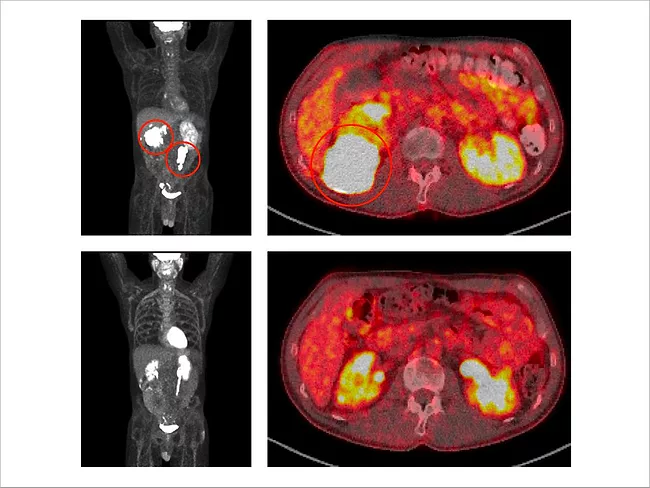
Deep molecular advances are enabling precision medicine for the field of hematology, Wyndham Wilson said during a plenary session at the 2026 Korean Society of Hematology International Conference March 26.
Hematopoietic stem cell research over the past century has shown that leukemia may be driven by an invisible hand of inflammation. The bone marrow and inflammation, then, may hold the keys to preventing blood cancers, according to John E. Dick’s plenary session at the 2026 Korean Society of Hematology International Conference, held March 26, 2026.
Deep molecular advances are enabling precision medicine for the field of hematology, Wyndham Wilson said during a plenary session at the 2026 Korean Society of Hematology International Conference March 26.
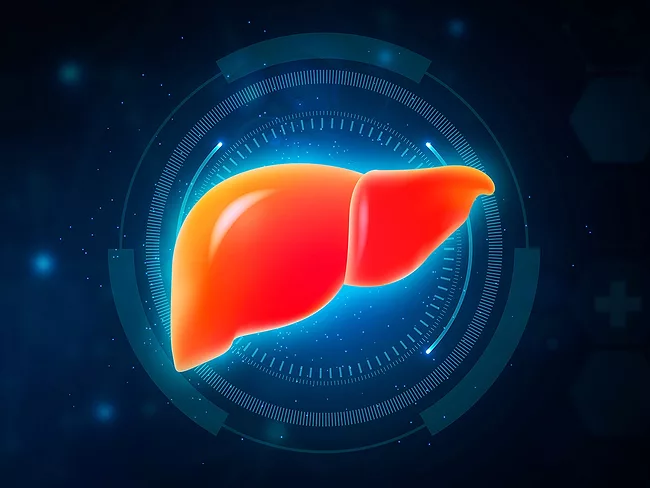
Once again, Amgen Inc.’s Tavneos (avacopan) is under U.S. FDA scrutiny, as the agency alerted patients and doctors March 31 about 76 cases of drug-induced liver injury, including eight deaths, with “reasonable evidence of a causal association” with the drug.
Hematopoietic stem cell (HSC) research over the past century has shown that leukemia may be driven by an invisible hand of inflammation. The bone marrow and inflammation, then, may hold the keys to preventing blood cancers, according to John E. Dick’s plenary session at the 2026 Korean Society of Hematology International Conference (ICKSH 2026), held March 26, 2026. Work in Dick’s lab has found acute myeloid leukemia (AML) HSCs that harbor preleukemic mutations long before any disease diagnosis. These insights have enabled predictive models that could identify individuals at elevated AML risk years before the onset of outright disease, opening the door to new prevention strategies.
 RSS
RSS