When founders of Latigo Biotherapeutics Inc. first set out a few years ago to establish a biopharma firm focused in the area of pain, the plan had been to get a head start by in-licensing promising assets in the space. But that proved easier said than done. “With the exception of very early chemical matter” from the Lieber Institute for Brain Development, “we really couldn’t find anything else of quality to bring in, which I think is a testament to how little pain research and investment was ongoing in pharma and academia,” said Sean Harper, co-founding managing director at Westlake Village Biopartners, which founded Latigo in 2020 and led the firm’s $135 million series A round.
South Korean biopharmaceutical firm GNT Pharma Co. Ltd. on Feb. 13 reported positive findings from a domestic phase III trial of its neuroprotectant therapy, nelonemdaz (NEU-2000), for patients with acute ischemic stroke.
Otsuka Pharmaceutical Co. Ltd.’s AVP-786 missed the primary endpoint for a third time in a phase III trial for agitation associated with dementia due to Alzheimer’s disease (AD). Two previous phase III trials also failed to show statistical significance for AVP-786.
The European Commission approved two therapies for progressive, genetic diseases: Biogen Inc.’s Friedreich’s ataxia drug, Skyclarys (omaveloxolone), and Crispr Therapeutics AG’s CRISPR/Cas9 gene therapy for sickle cell disease and transfusion-dependent beta-thalassemia, Casgevy (exagamglogene autotemcel, exa-cel).
In a first, the U.S. FDA accepted an artificial intelligence (AI)/machine learning-model into its Innovative Science and Technology Approaches for New Drugs (ISTAND) pilot program for drug development. The program will support use of Deliberate AI Inc.’s anxiety and depression assessment tool, called the AI-generated Clinical Outcome Assessment, as a qualified drug development tool.
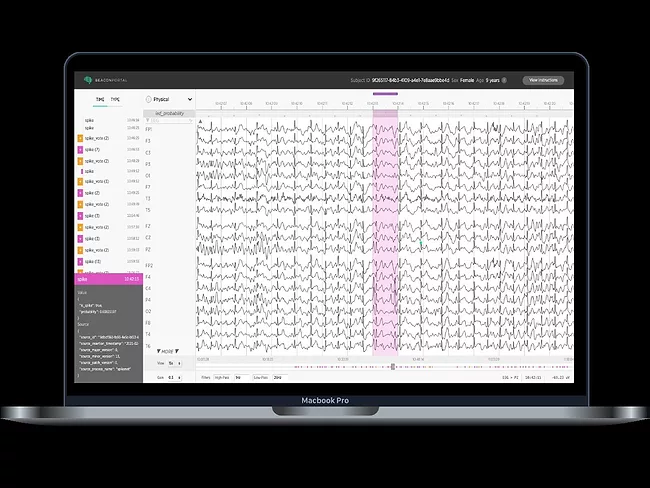
A partnership between Gate Neurosciences Inc. and Beacon Biosignals Inc. promises to advance the field of precision psychiatry by using electroencephalogram (EEG) biomarkers to diagnose depression and rapidly assess response to medications. The collaboration will first use Beacon’s U.S. FDA-cleared Dreem 3S headband device and neurobiomarker platform to conduct EEGs in participants in Gate’s phase II trial of zelquistinel, a small-molecule NMDA receptor modulator under development as an antidepressant.
Halia Therapeutics Inc. has, its CEO confidently asserts, taken an atypical road to building its infrastructure and financing. The Lehi, Utah-based company just completed a $30 million series C financing to further develop its lead asset, a selective and orally bioavailable first-in-class NLRP3/NEK7 inflammasome inhibitor.
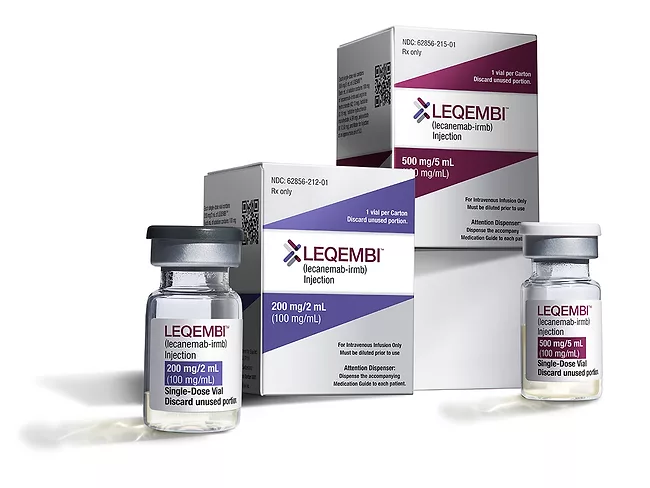
Biogen Inc.’s problematic trip with Aduhelm (aducanumab-avwa) for Alzheimer’s disease (AD) at last came to an end as the company, probably surprising few on Wall Street, said it’s quitting sales and development of the amyloid-beta directed antibody. The drug won accelerated approval by the U.S. FDA in July 2021. The phase III Envision study with Aduhelm will be stopped, and Cambridge, Mass.-based Biogen chalked a one-time charge of about $60 million related to close-out costs for the program in the fourth quarter of 2023. AD efforts have turned toward Leqembi (lecanemab-irmb), also an amyloid-beta directed antibody.
Despite Vertex Pharmaceuticals Inc.’s mostly positive phase III study results of a non-opioid for treating moderate to severe acute pain, the data for a key secondary endpoint show VX-548 is not as effective as Vicodin (hydrocodone, Abbvie Inc.).
Investigators have identified five cases of so-called iatrogenic Alzheimer’s disease (AD), that is, AD that was acquired as a result of undergoing medical procedures. A team led by University College London scientists reported their findings online in Nature Medicine on Jan. 29, 2024.
 RSS
RSS