As part of its pharmacovigilance program for Alzheimer’s drug Aduhelm (aducanumab), Biogen Inc. is evaluating a handful of reports published in the FDA Adverse Event Reporting System Public Dashboard, including the Aug. 18 death of a 75-year-old woman with Alzheimer’s and other co-morbidities.
In the Biohaven Pharmaceutical Holding Co. Ltd. and Pfizer Inc. collaboration to commercialize Nurtec ODT (rimegepant) outside the U.S., Biohaven will receive tiered double-digit royalties on ex-U.S. net sales as well as milestone payments of up to $1.24 billion. The target: more than 1 billion migraine sufferers worldwide with lots of clinical competition.
The sprint of fighting COVID-19 has been in respiratory medicine. For patients who become acutely ill, the short-term danger is in respiratory failure. But increasingly, it seems like the pandemic’s marathon fight may come to be against the neurological symptoms of COVID-19.
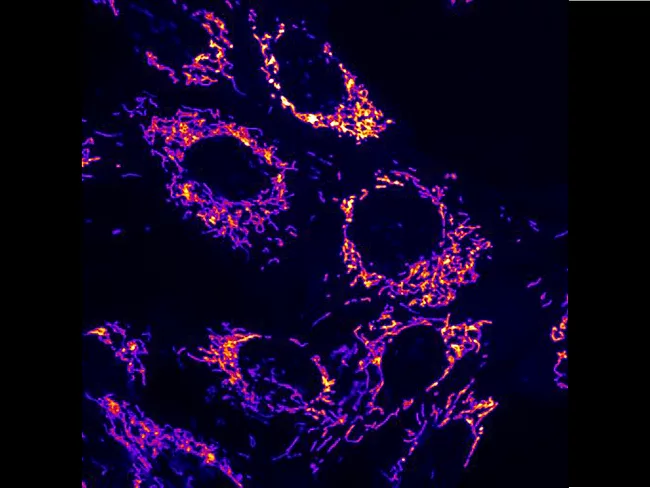
Investigators at Northwestern University’s Feinberg School of Medicine have used a new mouse model of Parkinson’s disease to confirm a causal role for mitochondrial dysfunction in Parkinson’s disease. More surprisingly, the same model has called into question previously uncontroversial notions about the motor features that are PD’s most conspicuous feature.
Compelling testimony from parents who saw life-altering changes in their children who participated in Levo Therapeutics Inc.’s intranasal carbetocin clinical trial wasn’t enough to counter what the FDA’s Psychopharmacologic Drugs Advisory Committee saw as a lack of “substantial evidence” to support the drug’s effectiveness in treating hyperphagia associated with Prader-Willi syndrome (PWS).
Though Wall Street may not have caught on to the value of Clene Inc.’s phase II results with gold nanocrystal suspension CNM-Au8 in amyotrophic lateral sclerosis (ALS), CEO Rob Etherington said his firm is “truly excited” about the data, which bode well for the next stage of development, already underway.
Aculys Pharma Inc. closed its $60 million series A financing round, with the funds to be used to develop pitolisant (Wakix), a selective histamine H3 receptor antagonist/ inverse agonist, in Japan.
Secarna Pharmaceuticals GmbH & Co. KG and Denali Therapeutics Inc. have expanded a central nervous system research partnership as the gene silencing field heats up.
What Cortexyme Inc.’s chief operating officer Christopher Lowe called “a giant step forward” in Alzheimer’s disease (AD) research with atuzaginstat (COR-388) was viewed differently by Wall Street, which walloped shares (NASDAQ:CRTX) by 76%, or $44.17, causing the stock to close at $13.51.
Cerecin Inc. has raised $40 million in an oversubscribed round of financing, paving the way for a potential listing in South Korea. Proceeds of the financing will fund the expansion of the company’s current studies and support the planning and initiation of a global phase III study of its lead candidate, tricaprilin, in Alzheimer’s disease.

 RSS
RSS