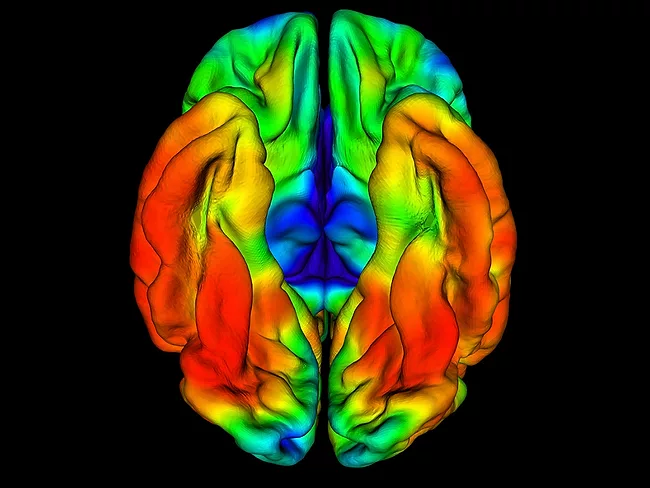
Standing as one of the more prominent among incurable conditions, Parkinson’s disease (PD) still hasn’t met a medicine or surgical intervention that can slow or stop progression, despite efforts of many drug developers testing new strategies.
Wesper Inc., a longitudinal and wireless clinical-grade sleep testing platform, showed ‘exceptional accuracy’ in a head-to-head comparison with polysomnography in a study published in The Journal of Clinical Sleep Medicine. The wireless, longitudinal sleep testing platform had a breathtaking 95% correlation with the cumbersome gold standard test for sleep apnea.
One of the challenges in designing genetic and cellular strategies is getting the therapy to the right place. This is even more complicated when it comes to the nervous system. The brain is a complex organ that contains the most differentiated and inaccessible cells in human biology. It is an impassable safe, protected by the blood-brain barrier.
Implanting brain organoids into the brains of mice may allow the more realistic study of microglial cells during both healthy and disease states. This is what researchers from the Salk Institute and their collaborators found in a study published on May 11, 2023, in Cell.
Investigators have identified a second individual who remained cognitively normal into his late 60s despite having the PSEN1 E280A mutation, which causes a familial version of early-onset Alzheimer’s disease (AD). The likely source of protection, a mutation in a gene called Reelin, is distinct from the protective mechanism identified in the first case of an individual who was protected from the effects of PSEN1 E280A. That case was reported in 2019.
A new mouse model of an inherited form of dystonia has shown the spinal cord is the driver of the condition, overturning previous understanding that the movement disorder is caused by disruption of neural circuits in the brain. The connection was demonstrated by selectively deleting torsin family 1 member A (TOR1A), the gene that causes dystonia, in the neurons of the spinal cord only.
RNA editing in schizophrenia (SCZ)-associated genes was decreased in postmortem brains of individuals of European descent, according to a study from the University of California, Los Angeles (UCLA). The scientists obtained the RNA editome from SCZ brains to detect the sequence changes in their RNA and observed hypoediting in noncoding regions related to mitochondrial function, such as the mitofusin-1 (MFN1) gene.
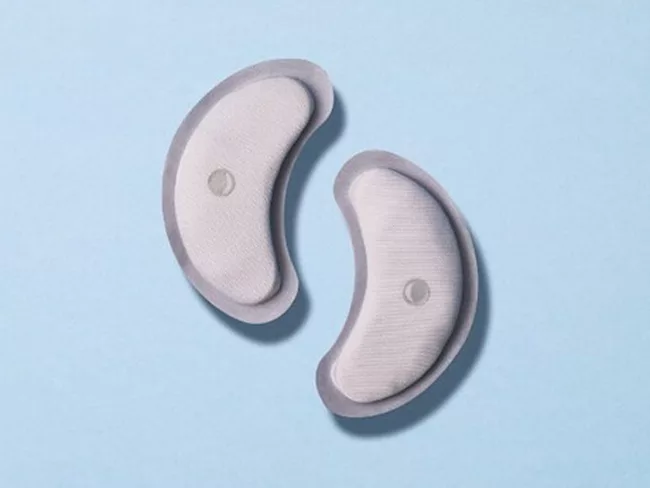
The U.S. FDA granted Graymatters Health Ltd. 510(k) clearance to market Prism for PTSD, a non-invasive, self-neuromodulation adjunct digital therapy for post-traumatic stress disorder (PTSD).
Aural Analytics Inc. received a breakthrough device designation from the U.S. FDA for its Speech Vitals-ALS technology, a software application that collects and analyzes speech recordings to help monitor amyotrophic lateral sclerosis (ALS) in adults in clinic and home settings. The software could improve management of the devastating disease.
Just three months after raising $12.9 million, Remedee Labs SAS reported it has signed a partnership with pharmaceutical group Upsa SAS to ramp commercialization of its smart bracelet for chronic pain. “We are going to rapidly deploy our non-invasive chronic pain relief technology throughout France and Europe,” David Crouzier, co-founder and CEO of Remedee Labs, told BioWorld.
 RSS
RSS