Keeping you up to date on recent developments in neurology, including: Personalized neuromodulation technique developed for obsessive-compulsive behavior; Improving pain research with new sensory neuron model; Tau end run prevents memory deficits, but not inflammation; Presenilin mutations affect neuronal stem cells.
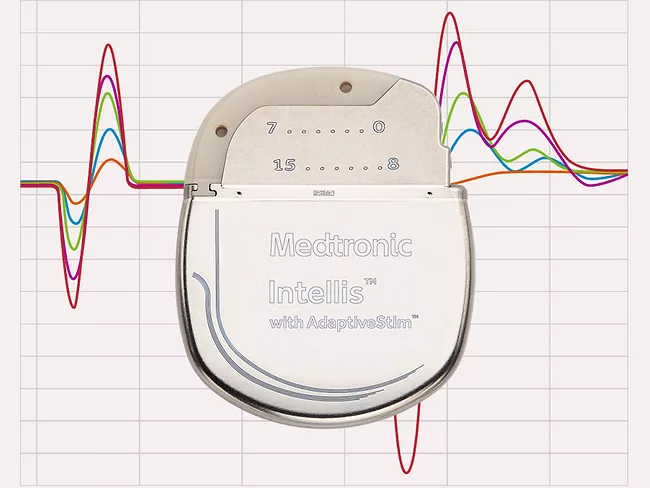
Medtronic plc is looking to increase market share in pain stimulation with its differential target multiplexed (DTM) therapy, a recharge-free device and its next big disrupter, evoked compound action potential (ECAP). The company is currently developing a closed-loop SCS system for chronic pain following failed back surgery based on ECAP and DTM algorithms.
HONG KONG – South Korea’s Ministry of Food and Drug Safety (MFDS) has greenlighted Seoul-based Vuno Inc.’s artificial intelligence (AI)-based solution Vuno Med Deepbrain for use as a class III medical device, which is a classification for moderate risk level devices. The MFDS approval was given on Dec. 29, 2021, a Vuno spokesperson told BioWorld, but the company only disclosed the approval earlier in the week. The reasons for the delayed announcement were not disclosed.
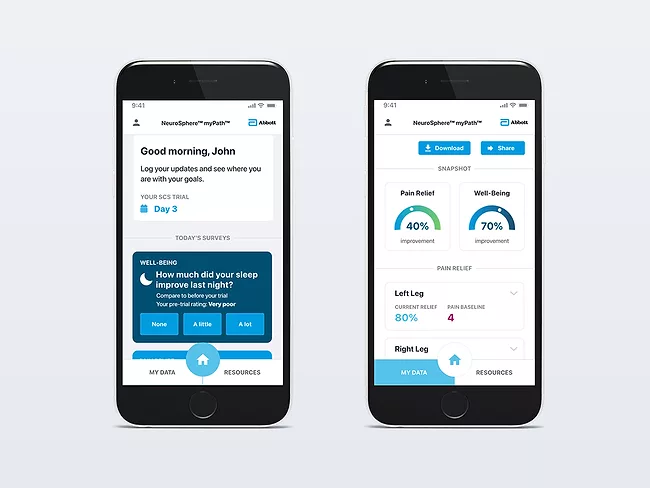
Abbott Laboratories plans to launch its Neurosphere Mypath digital health app in the coming weeks, the latest addition to its Neurosphere Digital Care connected health management platform. The new app will enable chronic pain patients trying out Abbott neuromodulation therapies to track and report their pain relief.
Alzheimer’s disease can be divided into multiple subtypes based on gene expression patterns, investigators at the Mount Sinai School of Medicine reported in the Jan. 6, 2021, issue of Science Advances. The work, corresponding author Bin Zhang told BioWorld, is “the first major finding of subtypes in Alzheimer’s disease.”
Keeping you up to date on recent developments in neurology, including: Intranasal antipsychotic delivery method promises relief from adverse side effects; Increased risk of Parkinson’s disease in patients with schizophrenia; Elusive link between seizures, cell signaling protein identified.
Medtronic plc reported that the first patient has been enrolled in the Adaptive DBS Algorithm for Personalized Therapy in Parkinson's Disease (ADAPT-PD) study its trial evaluating the safety and efficacy of adaptive deep brain stimulation (aDBS) in patients with Parkinson's disease (PD). This type of stimulation is an investigational feature of the Percept PC device that could be enabled if approved.
Cognito Therapeutics Inc. has revealed that its lead product has received breakthrough device designation from the U.S. FDA for the treatment of cognitive and functional symptoms associated with Alzheimer’s disease. The offering is a noninvasive neurostimulation device using gamma frequency technology and is the initial candidate in the company’s pipeline of digital therapeutics for neurodegenerative diseases and other chronic indications.
Helix Opco LLC, a company specializing in population genomics, has received de novo marketing authorization from the U.S. FDA for its whole exome sequencing platform, which covers roughly 20,000 genes. The San Mateo, Calif.-based company also picked up 510(k) clearance from the FDA for the first test to run on the Helix Laboratory Platform, a genetic health risk application for late-onset Alzheimer’s disease. That test has been cleared for over-the-counter use in conjunction with the Helix Laboratory Platform.
Pharmaceutical pain management has aided billions of patients, but has also created millions of cases of addiction, a problem that is driving research into pain. Omowunmi Sadik of the New Jersey Institutes of Technology, said on a recent webinar that the Biosensor Materials for Advanced Research & Technology (BioSMART) Center, is working on a suite of biosensors that may aid in the detection of the molecular markers associated with pain.

 RSS
RSS