Precision Biosciences Inc. has received FDA clearance of its IND application enabling clinical trial site activation for a phase I/II trial (FUNCTION-DMD) of PBGENE-DMD for the treatment of ambulatory patients with Duchenne muscular dystrophy (DMD). The first site in the U.S. will be activated in the first half of this year.
TYK2, a Janus kinase family member, mediates signaling from pro-inflammatory cytokines such as type I interferons, IL-12 and IL-23. In multiple sclerosis (MS), chronic CNS inflammation involves glial activation and immune cell infiltration, making TYK2 inhibition a potential strategy to reduce neuroinflammation.
As many had predicted following news of a clinical hold on the gene therapy last month, Regenxbio Inc. disclosed receipt of a complete response letter (CRL) regarding its BLA for RGX-121 (clemidsogene lanparvovec) in mucopolysaccharidosis II, an ultrarare neurodegenerative disease in dire need of new therapies.
Genentech Inc. is covering more bases in multiple sclerosis, with its latest swing on fenebrutinib hitting a rare phase III noninferiority win against Ocrevus (ocrelizumab) in primary progressive multiple sclerosis.
Fatty acid lipoxygenase ALOX15 inhibitors have been disclosed in a joint Teijin Pharma Ltd. and Transthera Biosciences Co. Ltd. patent. They are reported to be useful for the treatment of amyotrophic lateral sclerosis, asthma, autoimmune disease, cancer, cardiovascular disorders, epilepsy, Parkinson’s disease and allergic rhinitis, among others.
Indiana Biosciences Research Institute Inc. and Indiana University have jointly identified tyrosine-protein kinase Lyn inhibitors described as potentially useful for the treatment of Alzheimer’s disease.
Patients with Parkinson’s disease (PD) frequently suffer from sleep disorders, in addition to the neurodegenerative processes associated with the disease. These disorders affect both rapid eye movement (REM) and non-REM (NREM) sleep, but the underlying mechanisms in PD patients remain largely unknown.
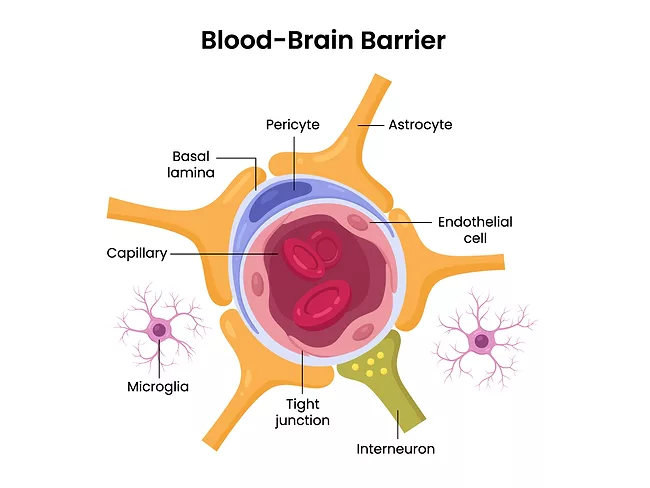
Researchers from the Medical University of South Carolina report the development of novel genetic mouse models that enable pericyte chemogenetic modulation, which could reduce neuronal damage and cognitive decline in Alzheimer’s disease.
Jiangsu Hansoh Pharmaceutical Group Co. Ltd. and Shanghai Hansoh Biomedical Co. Ltd. have discovered heterocyclic carbonyl derivatives acting as muscarinic M4 receptor agonists potentially useful for the treatment of pain, substance abuse and dependency, schizophrenia, Alzheimer’s disease and sleep disorders.
Beijing Innocare Pharma Tech Co. Ltd. has gained IND clearance in China to conduct clinical trials of ICP-538, an orally administered molecular glue degrader targeting VAV1, which is a key protein downstream of T-cell and B-cell receptors. ICP-538 is being studied for the treatment of autoimmune diseases, such as inflammatory bowel disease, systemic lupus erythematosus and multiple sclerosis.
 RSS
RSS