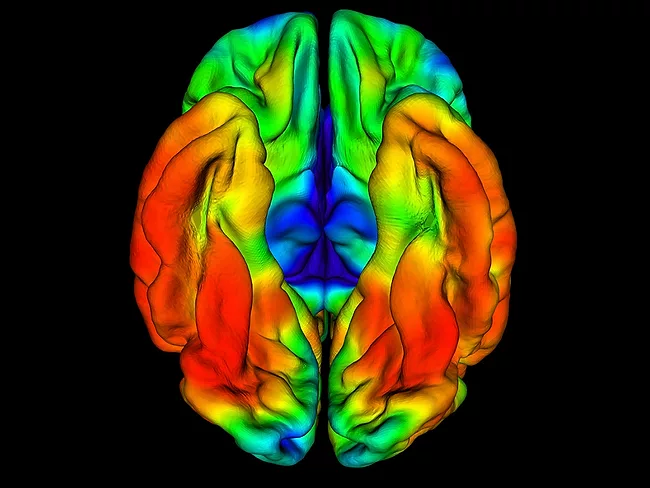
Long-term brain recordings from four patients with chronic pain have led investigators at the University of California at San Francisco to identify brain signals that could serve as biomarkers for each individual patients’ pain. The study, which was published online in Nature Neuroscience on May 22, 2023, demonstrated that “chronic pain can successfully be tracked, can successfully be predicted, in the real world while patients are ... going about their lives,” lead author Prasad Shirvalkar told reporters at a press conference announcing the findings. Shirvalkar is a neurologist at the University of California at San Francisco.
Research at Merck Sharp & Dohme Corp. has led to the development of receptor-interacting serine/threonine-protein kinase 1 (RIPK1; RIP-1) inhibitors reported to be useful for the treatment of amyotrophic lateral sclerosis (ALS) and inflammatory disorders.
Researchers from Applied Genetic Technologies Corp. have reported preclinical data for AGTC-601, a novel AAVrh10-granulin (GRN) gene therapy being developed for the treatment of frontotemporal dementia (FTD) with GRN mutations.
One of the challenges in designing genetic and cellular strategies is getting the therapy to the right place. This is even more complicated when it comes to the nervous system. The brain is a complex organ that contains the most differentiated and inaccessible cells in human biology. It is an impassable safe, protected by the blood-brain barrier.
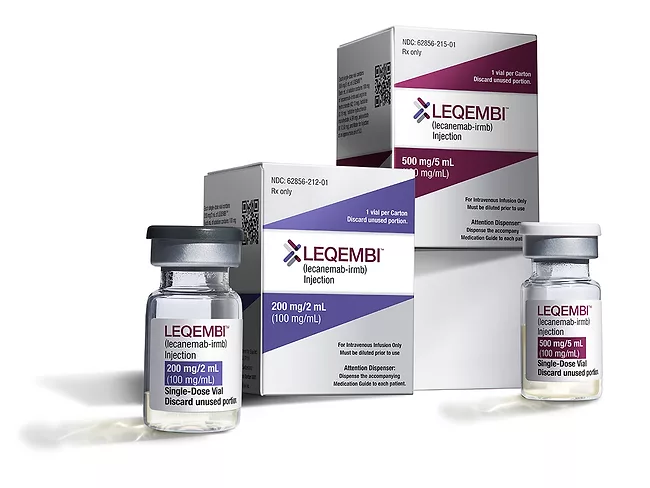
As the clock ticks toward the “full,” or traditional, approval date for Biogen Inc./Eisai Co. Inc.’s Alzheimer’s drug, Leqembi (lecanemab), the U.S. Centers for Medicare & Medicaid Services (CMS) is facing increasing pressure to get the structures in place to ensure Medicare beneficiaries have access to the drug when the approval comes.
Apnimed Inc. is gearing up to start phase III testing with AD-109, a once-daily combination of atomoxetine and aroxybutynin that has the potential to be the first oral therapy to treat obstructive sleep apnea, following positive results from the phase IIb Mariposa trial.
H. Lundbeck A/S and Vernalis (R&D) Ltd. have jointly patented leucine-rich repeat kinase 2 (LRRK2; Dardarin) and/or LRRK2 mutant inhibitors reported to be useful for the treatment of Lewy body dementia, multiple system atrophy and Parkinson’s disease.
Polydeuterated analogues of ambroxol and bromhexine have been reported in a Zywie LLC patent as potentially useful for the treatment of aging, Parkinson’s and Alzheimer’s diseases, dementia with Lewy bodies and frontotemporal dementia.
 RSS
RSS