Sensorium Therapeutics Inc. closed a $30 million series A round to fund the discovery and development of new psychiatric drugs, inspired by human ethnobotanical practices that date back hundreds or even thousands of years.
Sunovion Pharmaceuticals Inc. has identified substituted sulfonamide-chroman compounds reported to be useful for the treatment of essential tremor, among others.
Sunovion Pharmaceuticals Inc. has divulged new trace amine-associated receptor 1 (TAAR1; TAR1) agonists and/or 5-HT2A and/or 5-HT7 receptor antagonists reported to be useful for the treatment of bipolar and autism spectrum disorders, schizophrenia, substance abuse and dependence, Alzheimer's, Parkinson's and metabolic diseases.
The University of Texas System and Massachusetts Institute of Technology (MIT) have synthesized transcription factor PU.1 inhibitors reported to be useful for the treatment of Alzheimer's disease.
Dimethylfumarate (DMF) is largely used for treating multiple sclerosis (MS), but about 61% of DMF-treated patients develop lymphopenia, with its consequent associated risks. Biomarkers for monitoring treatment efficacy with DMF in patients with MS would be helpful in this field.
Spanish researchers at Hospital Universitario La Paz have aimed to investigate the correlation between extracellular vesicles (EVs) from the immune and nervous system with the diagnosis and disease activity of multiple sclerosis (MS). EVs were isolated and collected from 86 patients with MS and 29 healthy controls from their neurons, oligodendrocytes and B and T lymphocytes.
Researchers from Bern University Hospital and University of Bern presented data from a case study that identified the presence of anti-neurochondrin antibodies as a potential biomarker of primary autoimmune cerebellar ataxia (PACA).
Selenophosphate synthetase 1 (SEPHS1) plays an essential role in the metabolism of selenium and has ATPase activity that synthesizes selenophosphate from ATP and selenide. Researchers have hypothesized the potential involvement of SEPHS1 in genetic disorders. They presented a series of case reports involving 9 individuals with heterozygous missense variants in the SEPHS1 gene; all these variants resided in the C-terminal domain or near the AIR synthase-related domain of the gene.
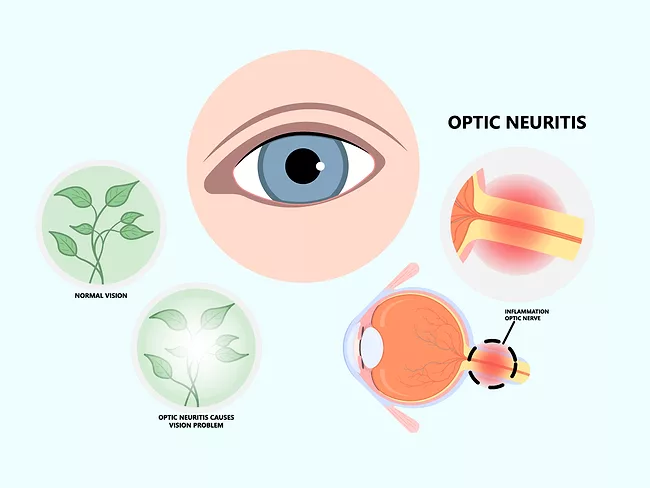
Neuromyelitis optica-related disorder (NMORD) consists of a spectrum of diseases characterized by recurrent optic neuritis and/or myelitis, with most cases being associated with a pathogenic antibody against aquaporin-4 (AQP4-Abs) or antibodies targeting the myelin oligodendrocyte glycoprotein (MOG-Abs).
 RSS
RSS