Emory University and Medical College of Wisconsin have presented quinazolinone derivatives acting as NADPH oxidase (NOX) inhibitors reported to be useful for the treatment of traumatic brain injury and epilepsy.
Investigators at the University of Copenhagen and affiliated organizations presented data from a study that aimed to validate differentially expressed genes (DEGs) in mesial temporal lobe epilepsy (mTLE) as potential new targets.
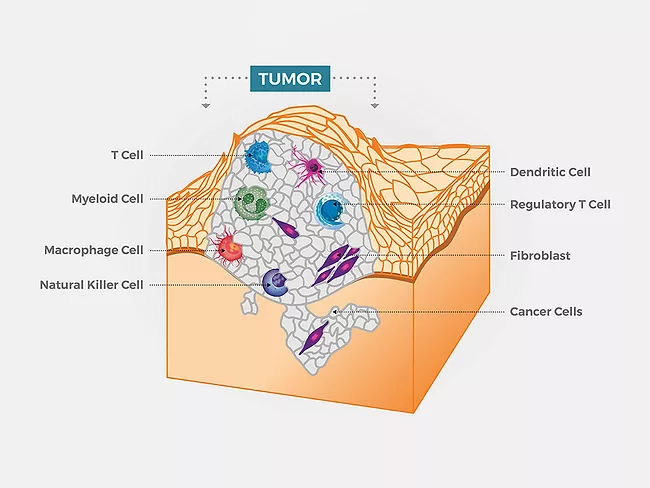
Two studies published this week have reported new insights into the role of the nervous system in tumors outside of the brain. Researchers at the Shanghai Jiao Tong University School of Medicine have identified a role for pain-sensing neurons in helping oral carcinomas cope with nutrient starvation, and that this interaction could be blocked by the calcitonin gene-related peptide (CGRP)-targeting migraine drug Nurtec ODT (rimegepant; Biohaven Pharmaceutical Holding Co. Ltd.).
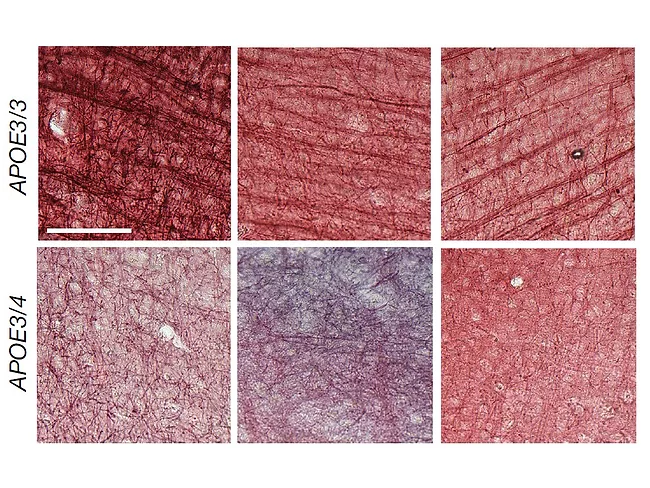
Carrying the apolipoprotein E4 allele (APOE4), and not the APOE3 variant, is the strongest risk factor for developing Alzheimer’s disease (AD). But the underlying mechanism has remained elusive. Now, researchers at MIT and Mount Sinai have found that in brains carrying the APOE4 allele, lipid and cholesterol processes were dysregulated in oligodendrocytes and that this effect reduced myelination.
Leitat Technological Center has patented 1H-pyrazole derivatives acting as sigma nonopioid intracellular receptor 1 (SIGMAR1) and/or sigma intracellular receptor 2 (TMEM97) ligands reported to be useful for the treatment of pain and neurological disorders.
The FDA has awarded orphan drug designation to Canbridge Pharmaceuticals Inc.'s CAN-106, a clinical-stage long-acting recombinant humanized monoclonal antibody targeting C5, for the treatment of myasthenia gravis.
NRG Therapeutics Ltd. has closed a £16 million (US$18.3 million) series A round to take forward programs in Parkinson’s disease and amyotrophic lateral sclerosis, after pinning down the target of its brain penetrant small molecules.