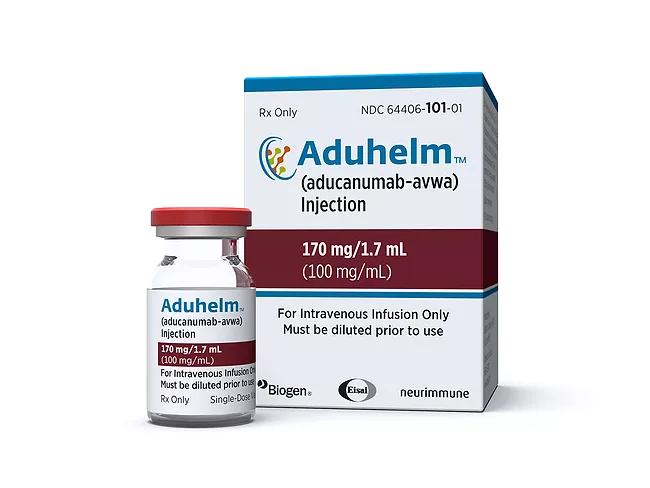
This could be a make-or-break week for Biogen Inc., with the U.S. Centers for Medicare & Medicaid Services (CMS) expected to announce a draft coverage decision for the company’s Alzheimer’s drug, Aduhelm.
After 25 years of research. Allschwil, Switzerland’s Idorsia Ltd. has had its first drug approved by the FDA – Quviviq (daridorexant) for adults with insomnia. The okay for Quviviq is the result of painstaking research led by the firm’s chief scientific officer, Martine Clozel, whose husband Jean-Paul Clozel is CEO.
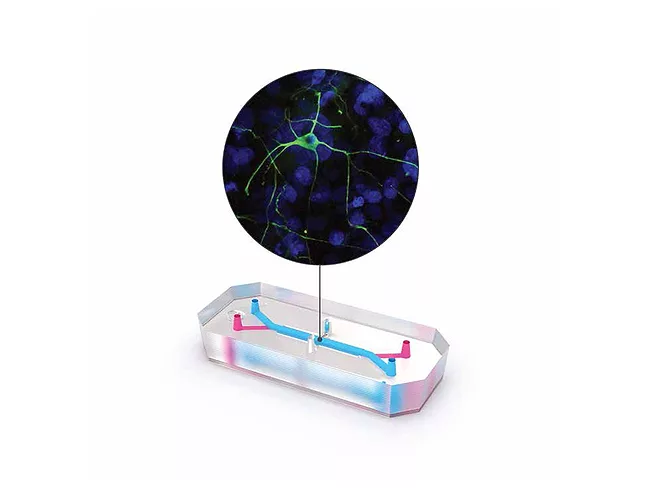
Space travel has known effects on human health and biology. Some, such as loss of bone density, are well understood, while others, like inflammation, are not. Now, organ-on-a-chip maker Emulate Inc. is conducting experiments on the International Space Station U.S. National Laboratory (ISS-NL) aimed at revealing clues to how the brain functions in microgravity.
Jelikalite Corp. has received a breakthrough device designation from the FDA for its wearable neurostimulation device Cognilum. The home-based system aims to reduce symptoms of moderate to severe autism spectrum disorder in pediatric patients aged 2 to 6 years. The designation was based on the results of a double-blind, placebo controlled clinical trial of 30 pediatric patients with moderate to severe autism, which showed the technology can significantly improve symptoms.
Harmony Biosciences Holdings Inc.’s plan disclosed at the start of last December to launch a phase III study with Wakix (pitolisant) for idiopathic hypersomnia (IH) during the first half of this year brought renewed attention to the sleep space, where a handful of players are jostling for position.
Astrazeneca plc’s recently acquired Alexion Pharmaceuticals Inc. has signed a deal worth up to $760 million with Neurimmune AG, the Swiss biotech that discovered Alzheimer’s drug Aduhelm (aducanumab), buying rights to amyloidosis drug NI-006. While Biogen Inc.’s Aduhelm targets amyloid plaques thought to cause Alzheimer’s in the brain, the phase Ib drug in Alexion’s deal is intended to tackle the build-up of the rogue protein that causes heart disease caused by transthyretin amyloid cardiomyopathy (ATTR-CM).
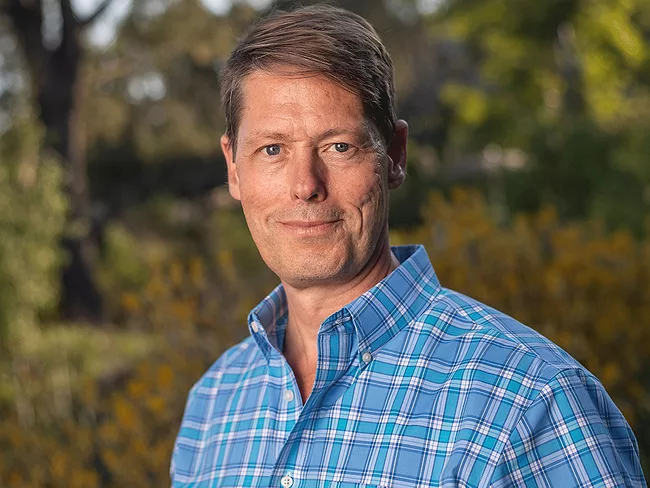
The hinge of the new development deal between Entos Pharmaceuticals Inc. and Eli Lilly and Co. is also the core of Entos’ business: delivering a drug without significant toxicity. Development of the cargo is only part of the story in creating safe and effective medicine, Entos CEO John Lewis told BioWorld. “You have to have a safe and effective delivery system.”
 RSS
RSS