Targeting the endocannabinoid system and, specifically, inhibiting the degradation of endocannabinoid 2-arachidonoylglycerol (2-AG) has demonstrated a neuroprotective effect in multiple sclerosis (MS). In this sense, monoacylglycerol lipase (MAGL), the enzyme that regulates 2-AG in the brain, has been proposed as a therapeutic target for MS.
The word “niche” implies a specialized environment. But to Fiona Doetsch, the stem cell niche is anything but. For brain stem cells, “the whole organism is the niche,” Doetsch told the audience at the third plenary session of the International Society for Stem Cell Research (ISSCR) annual meeting in Hamburg this week. It’s a surprising idea at first, given the brain’s protection from many circulating substances via a series of barriers, including the blood-brain barrier and the blood-cerebrospinal fluid barrier.
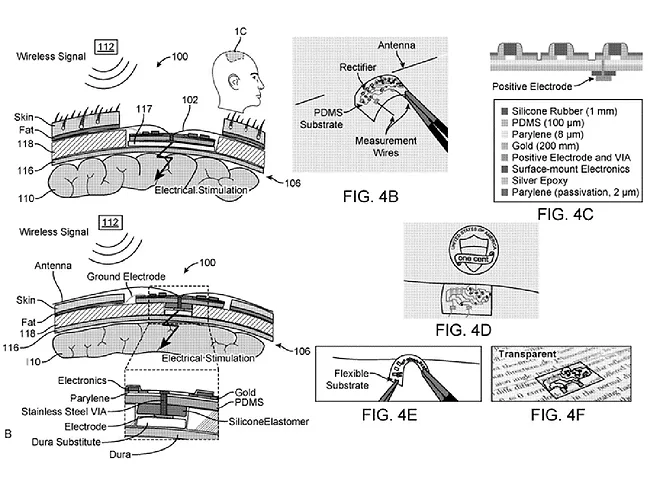
Researchers from Arizona State University and Mayo Clinic have filed for protection of wireless, battery-free brain implants which may be used in the monitoring, stimulation, and treatment of epilepsy, tumors, neurodegenerative disorders, neuroinflammatory conditions and trauma.
Sironax Ltd. has discovered (+) hydrolase SARM1 (SAMD2; MyD88-5) inhibitors reported to be useful for the treatment of amyotrophic lateral sclerosis, diabetic neuropathy, multiple sclerosis, Parkinson's disease, chemotherapy-induced peripheral neuropathy and traumatic brain injury.
Zhejiang University of Technology has reported preclinical safety data for the novel multitargeting compound XYY-CP1106, being developed for the treatment of Alzheimer’s disease (AD). XYY-CP1106 is a multitargeted anti-AD compound that has previously demonstrated strong monoamine oxidase B (MAO-B) inhibition (IC50=14.7 nM), high Fe3+ chelation (pFe3+=18.04), no in vitro cytotoxicity and protection against cellular oxidative damage.
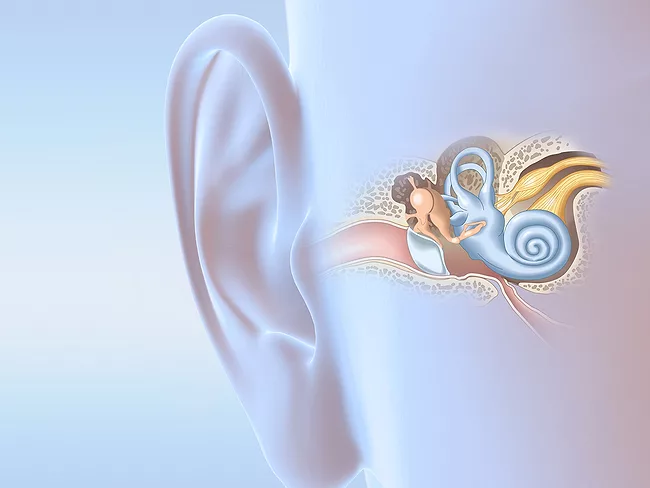
Patients with congenital hearing loss could benefit from a gene therapy currently in development. Although there are approaches that could reverse the process in children and young people before it becomes severe, so far, adults do not have any treatment that prevents the progressive deterioration of auditory sensory cells caused by this disease.
Daiichi Sankyo Co. Ltd. has prepared and tested new 2-azabicyclo[3.1.1]heptane compounds acting as orexin OX2 receptor agonists with potential for the treatment of narcolepsy.
Work at Karuna Therapeutics Inc. has led to the identification of substituted tetrahydropyrrolo-pyridinone compounds acting as muscarinic M4 receptor agonists and/or positive allosteric modulators.
Many patients with amyotrophic lateral sclerosis (ALS) or frontotemporal dementia (FTD) harbor the (G4C2)n pathogenic repeat expansion in the C9orf72 gene, which leads to aggregating dipeptide proteins, mainly poly-glycine-alanine (poly-GA).
Abata Therapeutics Inc. has obtained FDA clearance for its IND application enabling initiation of a first-in-human study of ABA-101 in patients with progressive multiple sclerosis (MS). A phase I study will open later this year.
 RSS
RSS