Wall Street is mulling Intra-Cellular Therapeutics Inc.’s chances of replicating with Caplyta (lumateperone) the path followed by Abbvie Inc. with Vraylar (cariprazine) in major depressive disorder (MDD), and possibly overtaking the latter in the difficult indication.
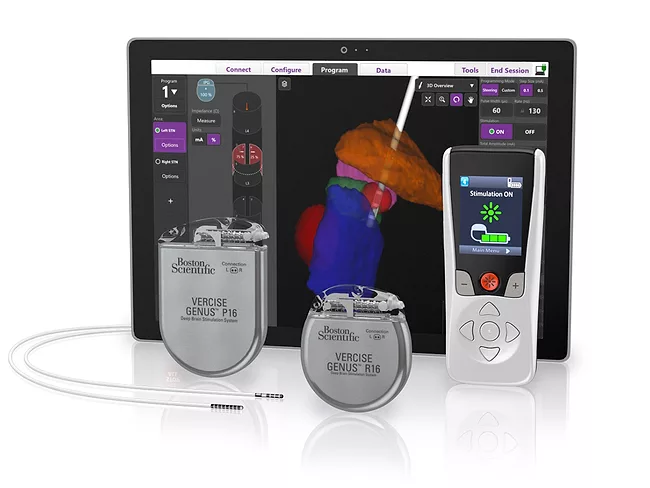
As new treatment options are being continually investigated and trialed against Parkinson’s disease, the possibilities offered by deep brain stimulation (DBS) risk being overlooked. Though not a cure, the therapy could vastly improve the quality of life for patients with the disease.
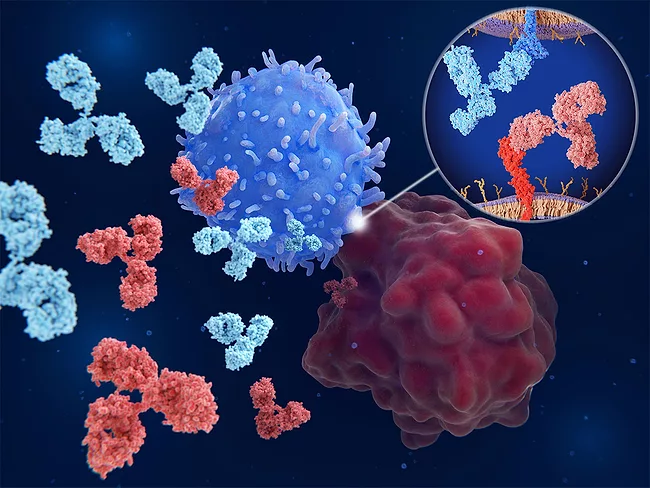
The adverse effects of PD-1 blockers on the CNS observed in cancer patients could occur through their effects on an enzyme that activates microglia. Pharmacological inhibition of the enzyme in mice reduced microglial activation and cognitive deficit without altering the antitumor capacity of the immunotherapy.
Oblique Therapeutics AB has entered into an agreement with the KTH Royal Institute of Technology to utilize KTH’s supercomputer resources for analyzing protein structures.
Italfarmaco SpA and Iktos SA have entered into a collaboration to develop next-generation histone deacetylase (HDAC) inhibitors for a variety of non-oncological diseases, including diseases affecting the central nervous system.
Disappointing top-line data from two failed phase III studies of soticlestat for Dravet syndrome (DS) and Lennox-Gastaut syndrome (LGS) have crumpled the stock of co-developer Ovid Therapeutics Inc., which lost three-quarters of its value June 17.
Following a day of deals that collectively bring a potential $3.75 billion into three biopharma companies – namely Ascidian Therapeutics Inc., Belharra Therapeutics Inc. and Mabcare Therapeutics – researchers will be busy discovering new therapies for neurological and immunological diseases, and advancing globally a candidate for solid tumors.
Boston Scientific Corp. continued its journey down the acquisition highway with its announced plan to acquire stroke products maker Silk Road Medical Inc. for $27.50 a share, or approximately $1.16 billion.
The adverse effects of PD-1 blockers on the CNS observed in cancer patients could occur through their effects on an enzyme that activates microglia. Pharmacological inhibition of the enzyme in mice reduced microglial activation and cognitive deficit without altering the antitumor capacity of the immunotherapy.
Disappointing top-line data from two failed phase III studies of soticlestat for Dravet syndrome (DS) and Lennox-Gastaut syndrome (LGS) have crumpled the stock of co-developer Ovid Therapeutics Inc., which lost three-quarters of its value June 17.
 RSS
RSS