Abbott Laboratories received U.S. FDA approval for its Liberta RC deep brain stimulation (DBS) system for use in movement disorders, less than two weeks after the agency gave its nod to Medtronic’s Percept RC DBS system. The news come on the heels of Abbott’s release of strong fourth quarter results on Wednesday.
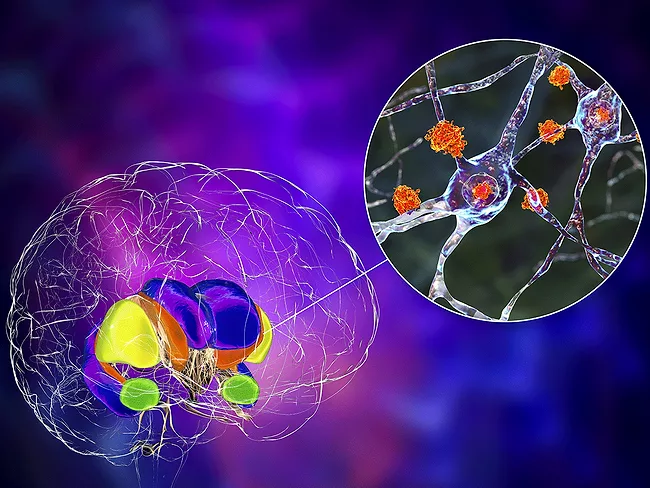
Mutant huntingtin (HTT) protein is the main cause of the pathological features leading to Huntington's disease (HD) development, a neurological disorder characterized by CAG repeat expansion in exon 1 of the HTT gene, which causes neuronal dysfunction and death along the brain.
Naegleria fowleri, colloquially known as the "brain-eating amoeba," is a water-borne amoeba and the leading cause of primary amoebic meningoencephalitis (PAM). In a recent study published in Scientific Reports, researchers from the University of Central Punjab aimed to design an mRNA-based vaccine against PAM.
About two months after reporting that enrollment of its phase II/III study with buntanetap in Alzheimer’s disease had completed enrollment, Annovis Bio Inc. disappointed Wall Street by saying that findings from the phase III in Parkinson’s disease – hoped for by the end of this month – would be delayed for data-cleaning reasons.
Researchers from the University of Washington are seeking patent protection for systems, apparatuses, and methods for treating acute ischemic stroke with electrical stimulation from electrocorticography electrodes that calm overactive neurons in the brain in the acute phase following ischemic stroke, thereby preserving neuronal tissue and neuroplasticity.
Amphista Therapeutics Ltd. has announced new datasets with its next-generation bifunctional protein degraders demonstrating in vivo efficacy and the ability to target and degrade proteins in the central nervous system (CNS).
 RSS
RSS