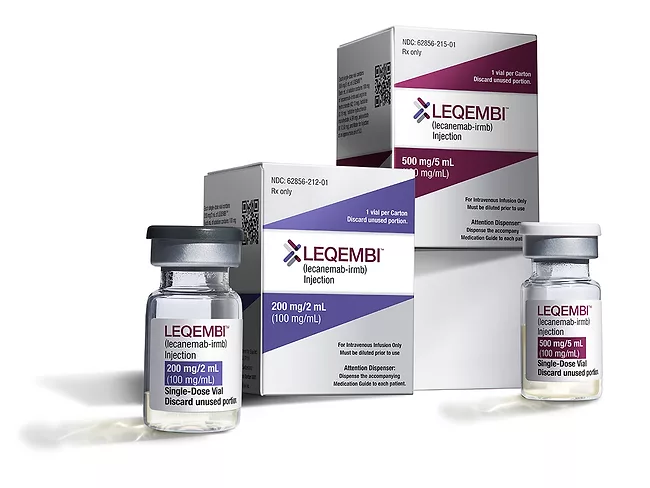
Biogen Inc.’s problematic trip with Aduhelm (aducanumab-avwa) for Alzheimer’s disease (AD) at last came to an end as the company, probably surprising few on Wall Street, said it’s quitting sales and development of the amyloid-beta directed antibody. The drug won accelerated approval by the U.S. FDA in July 2021. The phase III Envision study with Aduhelm will be stopped, and Cambridge, Mass.-based Biogen chalked a one-time charge of about $60 million related to close-out costs for the program in the fourth quarter of 2023. AD efforts have turned toward Leqembi (lecanemab-irmb), also an amyloid-beta directed antibody.
Vect-Horus SAS has entered into a license agreement providing Ionis Pharmaceuticals Inc. with a worldwide, exclusive license for a specified number of targets using Vect-Horus’ platform technology Vectrans for systemic delivery of RNA-targeted therapeutics that can cross the blood-brain barrier and address targets in the central nervous system.
Vaxxinity Inc. has announced a research collaboration with the University of Florida’s (UF) Center for Translational Research in Neurodegenerative Disease (CTRND) to support its work on the development of vaccines for neurodegenerative diseases.
Researchers from Institute of Materia Medica Chinese Academy of Medical Sciences & Peking Union Medical College have discovered novel selective Kv2.1 inhibitors as potential therapeutic candidates for the treatment of ischemic stroke.
Acurastem Inc. has raised nearly $7 million in grant funding from the National Institutes of Health (NIH) and the Department of Defense (DoD) to advance research in amyotrophic lateral sclerosis (ALS) and frontotemporal dementia.
Despite Vertex Pharmaceuticals Inc.’s mostly positive phase III study results of a non-opioid for treating moderate to severe acute pain, the data for a key secondary endpoint show VX-548 is not as effective as Vicodin (hydrocodone, Abbvie Inc.).
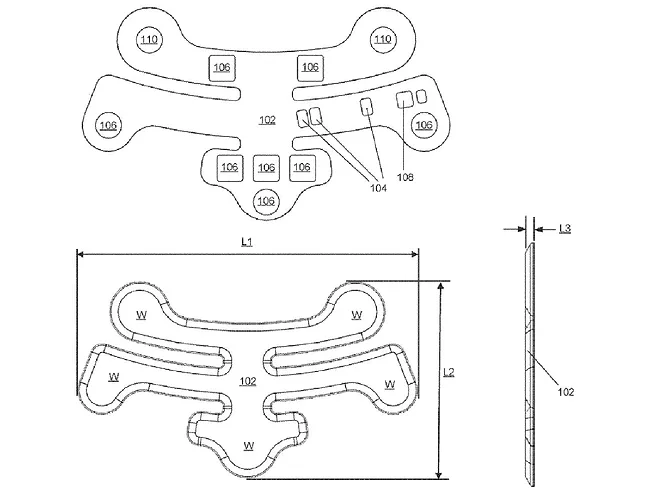
Inventors affiliated with Nirsense LLC, are designing somatic and cerebral oximetry devices using functional near-infrared spectroscopy (fNIRS). They have filed for patent protection of wearable systems capable of detecting both optical and non-optical biometric properties of a user to determine their cognitive state.
Despite the approval of dozens of antidepression medications, an estimated 30% of individuals who experience major depressive disorder (MDD) fail to respond to treatment despite repeated trials. As about one in eight individuals will experience MDD in their lifetime, investors and researchers have leapt into the gap to find and fund better ways to match treatment to patients, develop non-pharmacological therapies and improve outcomes.
Investigators have identified five cases of so-called iatrogenic Alzheimer’s disease (AD), that is, AD that was acquired as a result of undergoing medical procedures. A team led by University College London scientists reported their findings online in Nature Medicine on Jan. 29, 2024.
Although esketamine, the S-isomer of ketamine, has been approved for treatment-resistant depression, limitations such as dissociative and sedative effects or poor oral bioavailability restrict its use to parenteral dosing and supervised administration.
 RSS
RSS