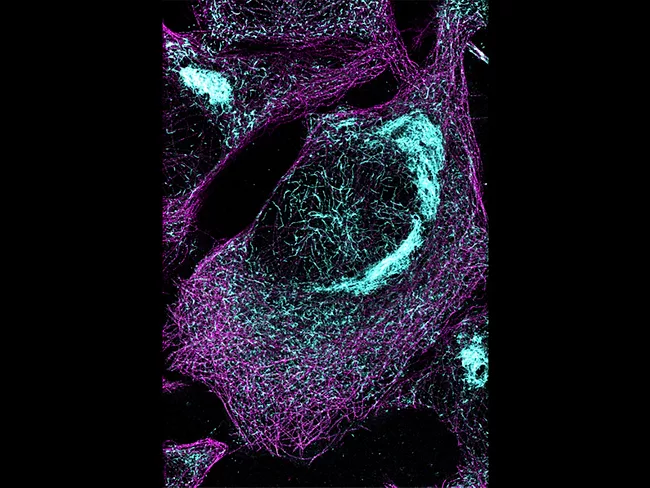
Scientists from the University of Cambridge, Harvard Medical School and collaborators investigated the potential of ubiquitin carboxyl-terminal hydrolase 30 (USP30) inhibition as a therapeutic strategy for restoring mitophagy to achieve neuroprotection in Parkinson’s disease.
Using microglia and an unbiased screening method, investigators have identified almost 60 previously unknown targets for γ-secretase. Investigators from KU Leuven and colleagues published their results in Molecular Cell on Nov. 16, 2023.
Serpin Pharma LLC has identified serpin peptide derivatives acting as pro-low-density lipoprotein receptor-related protein 1 (LRP-1) agonists reported to be useful for the treatment of acute lung injury, eosinophilic esophagitis, viral infection, and acute and neuropathic pain, among others.
Siteone Therapeutics Inc. has disclosed sodium channel protein type 10 subunit α (SCN10A; Nav1.8) blockers reported to be useful for the treatment of pain.
Mira Pharmaceuticals Inc. has reported findings on the cognitive enhancing effects of MIRA-1a, an unscheduled novel synthetic tetrahydrocannabinol (THC) analogue, in normal mice.
Stanford University researchers are seeking patent protection for a medical device for performing endovascular surgical procedures, such as thrombectomy, rotablation, drug delivery and treating brain aneurysms. The device includes a magnetically actuated untethered rotation device, i.e., a magnetic spinner, that can navigate in blood vessels through its spinning-enabled propulsion.
REV-ERBα (NR1D1) is a circadian transcriptional repressor that plays a role in the regulation of lipid metabolism and macrophage function, and the global deletion of REV-ERBα has been previously linked to increased microglial activation and mitigation of amyloid plaque formation. In the current study, researchers from Washington University in St Louis and affiliated organizations aimed to explore the cell-autonomous effects of microglial REV-ERBα on tau pathology.
Pathogenic variants in the leucine-rich repeat kinase 2 (LRRK2) gene are linked to increased risk for Parkinson’s disease (PD), with G2019S being the principal variant. In the current study, researchers from Escape Bio Inc. presented the discovery and preclinical characterization of novel inhibitors of G2019S mutant-LRRK2 as potential therapeutic candidates for the treatment of PD.
 RSS
RSS