Cellular immunotherapy is the Lamine Yamal of cancer therapy. It is easy to forget how young the field is – and that as stunning as it is to watch in action already, it is still reaching its full potential. One aspect of doing so is working in a broader range of tumor types. The field made a giant step toward that goal with last week’s approval of Tecelra (afamitresgene autoleucel, Adaptimmune Therapeutics plc), the first CAR T cell to be approved for treatment of a solid tumor.
The dealmaking continues at Boehringer Ingelheim GmbH as it plans to buy Nerio Therapeutics Inc. for $1.3 billion. The German company is bolstering its cancer programs with the Nerio acquisition, which will be added to multibillion-dollar deals cut earlier this year for cancer immunotherapies and nonalcoholic or metabolic dysfunction-associated steatohepatitis (NASH/MASH) treatments.
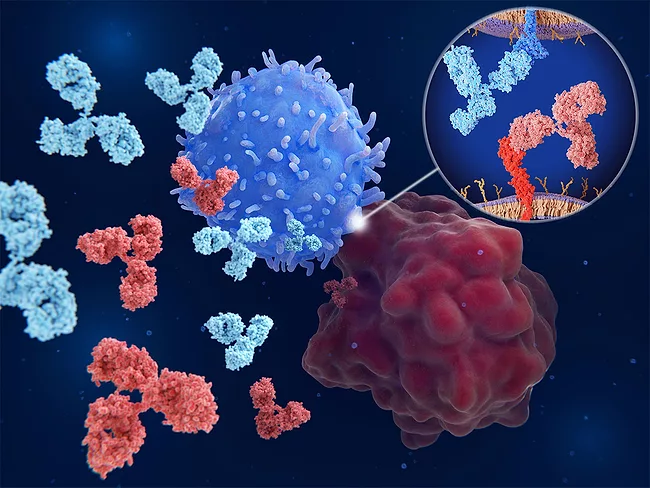
Catalym GmbH has closed a $150 million series D to take its first in class immune potentiator visugromab into phase IIb development in a number of solid tumors. The round follows on the heels of data from a phase I/IIa trial which showed visugromab in combination with the PD-1 inhibitor antibody Opdivo (nivolumab, Bristol Myers Squibb) increased T-cell infiltration and generated durable antitumor responses in patients who had exhausted all other treatment options.
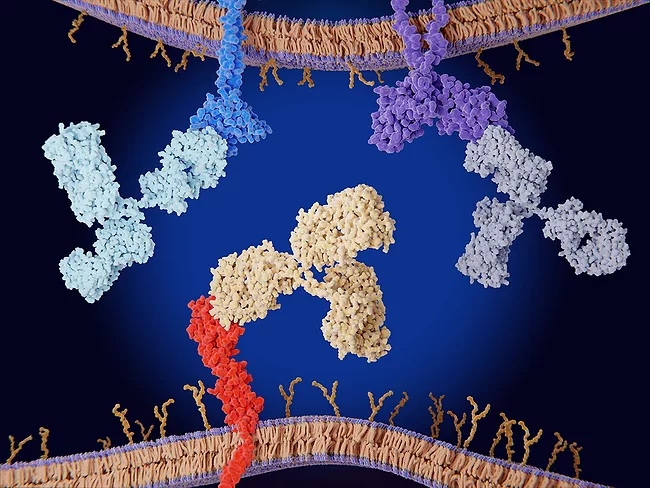
The adverse effects of PD-1 blockers on the CNS observed in cancer patients could occur through their effects on an enzyme that activates microglia. Pharmacological inhibition of the enzyme in mice reduced microglial activation and cognitive deficit without altering the antitumor capacity of the immunotherapy.
Immunotherapy-based cancer vaccines could permanently kill tumors by stimulating immune cells in multiple ways. At the 27th Annual Meeting of the American Society of Gene & Cell Therapy (ASGCT), researchers presented their advances in this field with different techniques in the scientific symposium “Novel nucleic acid and cell-based vaccines for cancer,” organized by the infectious diseases and vaccines committee.
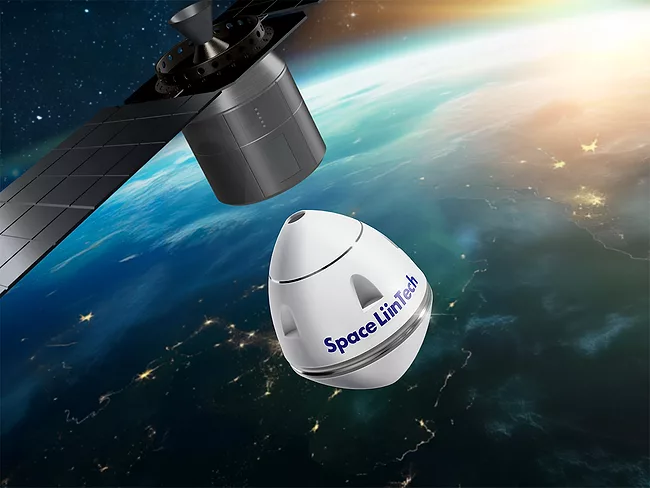
Space Liintech Co. Ltd., of Daejeon, South Korea, raised ₩4 billion (US$2.9 million) in a series A financing round to advance new drug research, development and production in outer space, as the private sector races to harness the orbit for pharmaceutical experiments.
Barinthus Biotherapeutics plc’s immunotherapeutic against persistent, high-risk human papillomavirus (HPV) infections, VTP-200, was generally well-tolerated in a phase Ib/II study, but did not demonstrate significant signs of efficacy, pooled top-line data show.
Immuneoncia Therapeutics Inc., a joint venture between South Korea’s Yuhan Corp. and San Diego-based Sorrento Therapeutics Inc., is looking to list on the Korea Exchange, having recently passed local technology evaluation.
Seven years since the first approval of two chimeric antigen receptor T-cell therapies for hematological cancers, U.S. and Singapore-based Immunoscape Pte Ltd. is looking to develop novel T-cell receptor (TCR) therapeutics for solid tumors.
Katy Rezvani received this year’s E. Donnall Thomas Prize for her work on natural killer (NK) cells at the annual meeting of the American Society of Hematology (ASH). It was not love at first sight, though.
 RSS
RSS