The African Vaccine Manufacturing Accelerator is up and running, with more than $1 billion already pledged to the effort that’s aimed at supporting the sustainable growth of Africa's manufacturing base and contributing to the African Union's goal of producing 60% of the vaccines required by African countries by 2040.
Becoming the first pneumococcal conjugate vaccine specifically designed for adults 18 and older, Merck & Co. Inc.’s 21-valent candidate, Capvaxive (V-116), gained U.S. FDA approval on its June 17 PDUFA date. The Rahway, N.J.-based company expects to take significant market share based on positive phase III findings from the Stride-3 trial. Analysts have estimated the product could reach $2 billion in annual global sales.
Moderna Inc. is gearing up to meet with regulators on the next steps for mRNA-1083, the first combination vaccine for influenza and COVID-19 to succeed in phase III testing, not only demonstrating noninferiority to individually licensed competitor vaccines but also eliciting statistically significant higher immune responses.
The EMA has been sent back to the drawing board to re-evaluate PTC Therapeutics Inc.’s Duchenne muscular dystrophy therapy Translarna (ataluren), after failing to get the usual rubber stamp following its recommendation in January that the drug’s conditional approval be withdrawn.
Moderna Inc. gained U.S. FDA approval on May 31, nearly three weeks past its original PDUFA date, for its respiratory syncytial virus (RSV) vaccine Mresvia (mRNA-1345), which had both breakthrough therapy and fast track designations in the U.S.
In a paper published in the May 17, 2024, online issue of Cell, investigators from the Duke Human Vaccine Institute reported that a sequence of three immunizations in the HVTN-133 trial was sufficient for the development of heterologous or broadly neutralizing antibodies that protected against several strains of HIV.
Immunotherapy-based cancer vaccines could permanently kill tumors by stimulating immune cells in multiple ways. At the 27th Annual Meeting of the American Society of Gene & Cell Therapy (ASGCT), researchers presented their advances in this field with different techniques in the scientific symposium “Novel nucleic acid and cell-based vaccines for cancer,” organized by the infectious diseases and vaccines committee.
AC Immune SA has landed a potential $2.2 billion deal for its anti-amyloid beta Alzheimer’s disease vaccine, ACI-24.060, with Takeda Pharmaceutical Co. Ltd., under which it will get $100 million up front and is eligible to receive an option exercise fee, plus potential development, commercial and sales-based milestones of up to $2.1 billion.
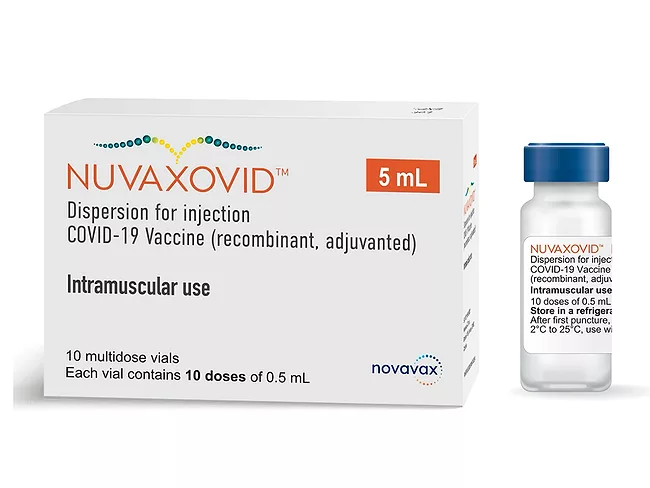
A licensing deal worth potentially up to $1.2 billion with Sanofi SA has breathed new life into Novavax Inc., which has struggled to compete in the COVID-19 space with powerhouses Pfizer Inc. and Moderna Inc.
Cancer vaccines specialist Infinitopes Precision Immunomics Ltd. announced the closing of a £12.8 million (US$16.1 million) seed round and outlined plans to start a phase I/IIa study of the lead program in the third quarter of this year.

 RSS
RSS