A month ahead of its June 5 PDUFA date, Arvinas Inc.’s vepdegestrant gained U.S. FDA approval for use in a specific type of advanced or metastatic breast cancer, becoming the first proteolysis targeting chimera, or PROTAC, drug to reach the market.
Sonire Therapeutics Inc. initiated a U.S.-based Sunrise II study of Suizenji, its novel ultrasound-guided high-intensity focused ultrasound (HIFU) system designed to ablate pancreatic tumors, after closing an $18 million series A financing round April 15.
Wall Street pundits were divided about the likely fate of ivonescimab, Summit Therapeutics Inc.’s bispecific antibody partnered with Akeso Pharmaceuticals Inc., of Hong Kong, and undergoing phase III testing in first-line squamous non-small-cell lung cancer (NSCLC).
Continuing biopharma’s IPO resurgence in 2026, Hemab Therapeutics Holdings Inc. priced an upsized offering of 16.75 million shares at $18 per share, the high end of its proposed price range, for gross proceeds of $301.5 million. Another $45 million could come if underwriters exercise their full overallotment.
Seaport Therapeutics Inc. joined Nasdaq May 1, raising gross proceeds of $254.9 million, as its parent, Boston-based Puretech Health plc moved to exit the market, opting for a sole listing on the London Stock Exchange (LSE) in order to reduce its cost base and cut bureaucracy.
Dermatology specialist Leo Pharma A/S is moving into gene therapy with the $50 million acquisition of Replay Holdings LLC, a seed-stage company that is developing high capacity herpes simplex virus vectors to treat rare inherited diseases.
The U.S. SEC filed a settlement April 29 that it reached with Anthony Cataldo regarding allegations that the former chairman and CEO of a clinical-stage biopharma company misappropriated about $3.2 million from the company and then concealed the misconduct from the company’s auditors.
The U.S. Department of Health and Human Services (HHS) has appealed a recent federal ruling that put on hold several changes to the childhood vaccine schedule and the Advisory Committee on Immunization Practices as reconstituted by HHS Secretary Robert Kennedy.
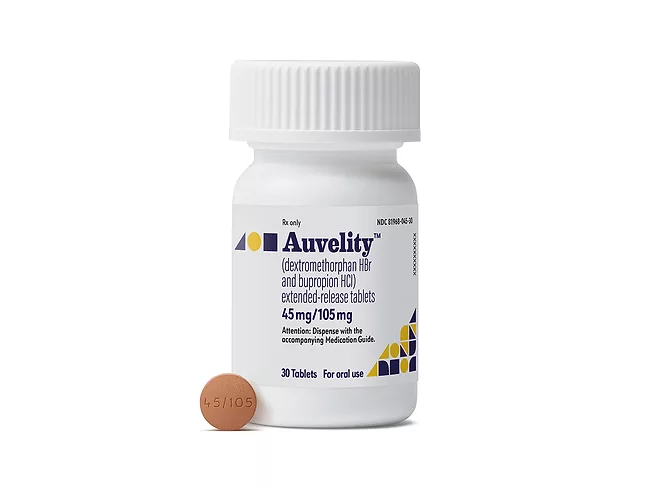
Axsome Therapeutics Inc. won U.S. FDA approval for Auvelity (AXS-05) to treat Alzheimer’s disease agitation, a condition that affects up to three-quarters of patients, gaining access to a $1 billion-plus market and a clean label that counters the boxed warning of a competitor. The agency accepted the supplemental NDA under priority review on Dec. 31, 2025, and the breakthrough therapy approval, specifically for agitation associated with dementia due to Alzheimer’s disease, came on the April 30, 2026, PDUFA date.
Beone Medicines Ltd. gained an exclusive option to develop cancer immunotherapy HH-160 worldwide in a deal potentially worth more than $2 billion for Huahui Health Ltd., the developer of the trispecific antibody.

 RSS
RSS