The U.S. Department of Justice announced July 31 that Illumina Inc. agreed to pay $9.8 million to settle allegations it sold genomic sequencing equipment that suffered from cybersecurity problems. The settlement concludes a qui tam lawsuit filed by a former employee and highlights the hazards of poor cybersecurity for med-tech firms.
Regeneron Pharmaceuticals Inc. disclosed within a positive second-quarter earnings report that it had received a complete response letter (CRL) two days earlier from the U.S. FDA for its bispecific antibody, odronextamab, for relapsed/refractory follicular lymphoma following two or more lines of systemic therapy.
The U.K. quoted biotech investment firm Syncona plc is facing into the volatile market conditions and the impact U.S. trade policy, regulatory uncertainty and pharma pricing are having on access to capital, with a plan to end its evergreen structure and transition to a closed fund.
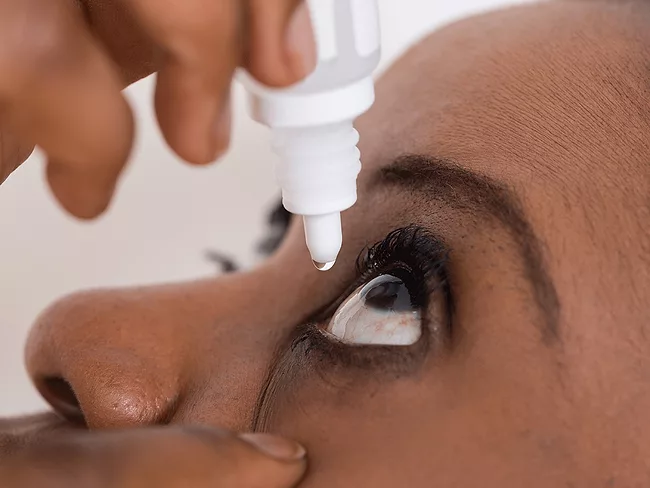
With the U.S. FDA’s approval of Lenz Therapeutics Inc.’s Vizz (aceclidine ophthalmic solution), there is a third eye drop on the market for treating presbyopia. Vizz, however, is the first aceclidine-based eye drop for adults.
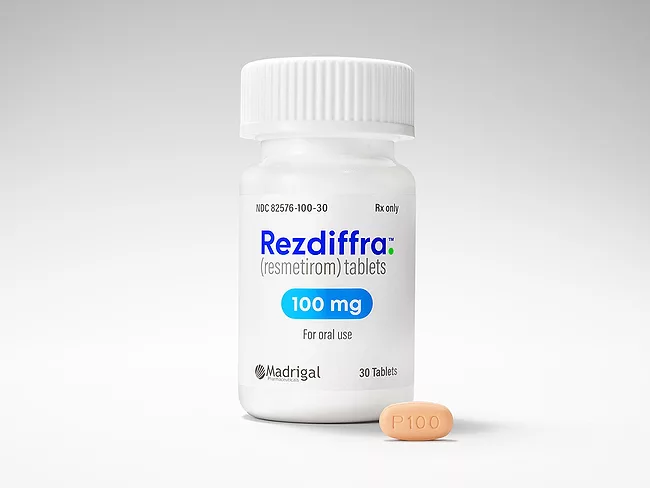
Madrigal Pharmaceuticals Inc.’s long-awaited business development pact became reality by way of an exclusive global license agreement that could be worth more than $2 billion with CSPC Pharmaceutical Group Ltd., of Shijiazhuang, China, for SYH-2086. The candidate is a preclinical oral, small-molecule glucagon-like peptide-1 (GLP-1) receptor agonist and orforglipron derivative.
While U.S. President Donald Trump’s country-by-country reciprocal and newly negotiated tariffs go into effect today, a separate, global biopharma sector tariff of, possibly, 200% continues to loom over the sector. For many stakeholders, a biopharma sector tariff of even 25%, as first proposed by Trump, would be a disaster in the making, especially when combined with the pressures of Medicare price negotiations and the president’s escalation of most-favored-nation pricing.
The Senate Appropriations Committee met July 31 to markup legislation that would fund the Department of Health and Human Services – including an additional $400 million for the National Institutes of Health. The increase in NIH funding repudiates the Trump administration’s efforts to drastically cut those appropriations, which is an outcome marking a clear win for companies in the life sciences.
Alterity Therapeutics Ltd. helped develop a new neuroimaging biomarker called the multiple system atrophy index (MSA-AI), which looks to be a more reliable biomarker for tracking disease progression of MSA. Developed using deep learning methods, the MSA-AI offers a superior, objective and quantifiable measure of brain atrophy in MSA patients.
President Donald Trump sent letters July 31 to the CEOs of 17 major drug manufacturers doing business in the U.S., giving them 60 days to comply with his May 12 executive order (EO) on most-favored-nation (MFN) pricing. The EO appealed to drug companies to undertake MFN pricing voluntarily to end the freeloading in which other developed countries pay, on average, three times less than Americans are charged for the same medicines.
Soligenix Inc.’s phase IIa study of SGX-945 (dusquetide) for treating oral ulcers in those with Behçet's disease showed biological efficacy in the proof-of-concept study. The positive results propelled the company’s stock (NASDAQ:SNGX) a hefty 134% higher on July 31, with shares closing at $2.93 each.
 RSS
RSS