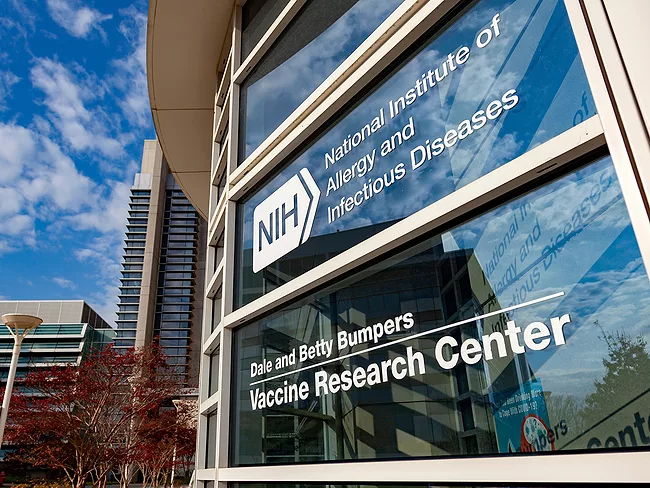
If the April 30 hearing on biomedical research before the U.S. Senate Appropriations Committee is any indication, the Trump administration could face a big challenge if it tries to cut more than 40% of the NIH’s budget in fiscal 2026 as proposed and slap a 15% cap on indirect costs.
Regulus Therapeutics Inc. CEO Jay Hagan told investors in a January call the company had no interest in “simply out-licensing” rights to lead candidate farabursen, an oligonucleotide targeting autosomal dominant polycystic kidney disease set to start phase III testing on a path to a potential accelerated approval. And now, there’s no need to, as Regulus found a buyer for the whole company in a deal with Novartis AG valued at about $1.7 billion.
The National Institutes of Health (NIH) is adopting a new initiative to expand innovative, human-based science while reducing animal use in research. Developing and using alternative nonanimal research models aligns with the FDA’s recent initiative to reduce testing in animals.
Barely a year after the U.S. FDA shackled Abeona Therapeutics Inc.’s cell-based gene therapy with a complete response letter, the agency has approved it for treating a rare and genetic skin disease. Zevaskyn (prademagene zamikeracel), for treating wounds in adult and pediatric patients with recessive dystrophic epidermolysis bullosa, will be priced in the U.S. at $3.1 million.
Pulsed field ablation dominated discussions and scientific sessions at Heart Rhythm 2025 in San Diego with researchers and manufacturers touting new applications in persistent atrial fibrillation, atrial flutter and addressing specific challenges for existing systems.
The Trump administration’s tariff activities provoked another set of responses from both Medtech Europe and the Advanced Medical Technology Association.
The U.S. Centers for Medicare & Medicaid Services will hold an advisory meeting regarding devices for treatment of symptoms for Parkinson’s disease, but the agency indicated that it expects to see longer-term data for these treatments if manufacturers want Medicare coverage.
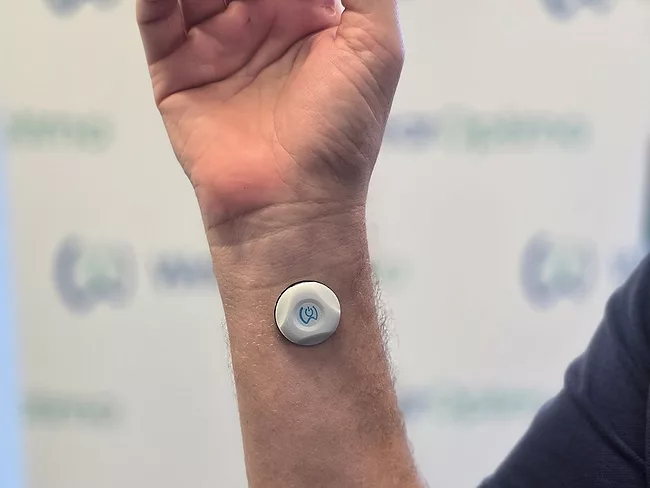
Health care technology company Wearoptimo Ltd. developed a next-generation microwearable sensor that accurately detects hydration levels, outperforming the needle-based gold standard.
The U.S. FDA issued a complete response letter (CRL) to Telix Pharmaceuticals Ltd. for its NDA for glioma imaging agent, TLX-101-CDx (floretyrosine F18 or 18F-FET, Pixclara), citing the need for additional confirmatory clinical evidence.
 RSS
RSS