The U.K. government is to invest £500 million (US$645 million) in a health data research service that will provide a single point of access to national-scale anonymized patient records, ending the need to navigate different systems or make multiple applications to use information.
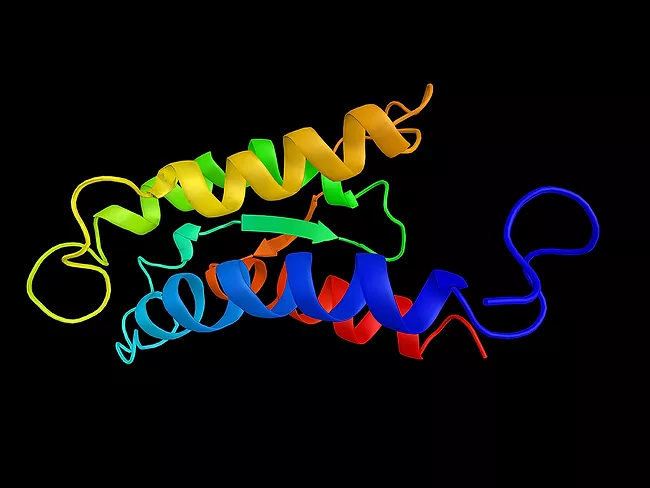
The sparsity of mid-to-late stage prospects in atopic dermatitis (AD, or eczema) – which has proved an especially challenging indication – plus some newsmaking fizzles in the space have caused developers to probe new targets with particular intensity. Most popular approaches thus far involve IL-4, IL-13, thymic stromal lymphopoietin and JAK. Developers have stumbled for varying reasons such as high placebo response rates, safety or lack of clinical proof of concept. Among the potential AD rescuers is Nektar Therapeutics Inc. with rezpegaldesleukin (rezpeg), which takes aim at IL-2.
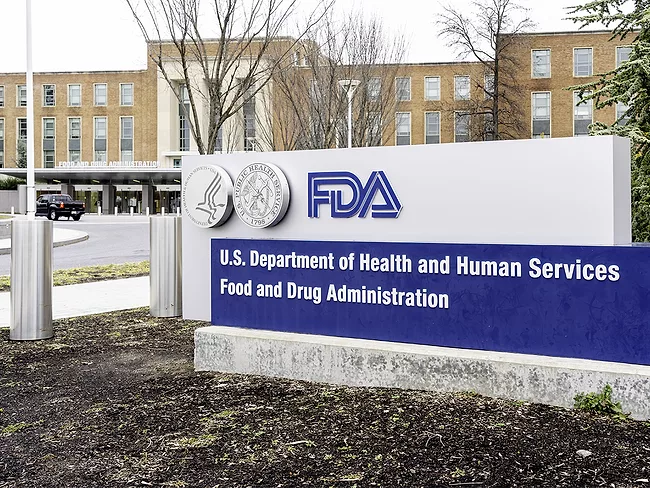
“We’ve lost 1,000 person-years of expertise in a few weeks,” former U.S. FDA Commissioner David Kessler said in an April 9 House Oversight and Government Reform hearing as he discussed the impact of the termination of 3,500 FDA employees the previous week, on top of the 1,000 who were let go or offered retirement in February.
When an autoimmune disease disrupted the life of someone close to scientist Dario Gutierrez, an idea emerged for a new company called Merida Biosciences focused on removing misdirected antibodies and their negative effects using Fc biotherapeutics.
Boston Scientific Corp.’s up to $664 million acquisition of Bolt Medical Inc. closed just days after Bolt secured U.S. FDA 520(k) clearance for its intravascular lithotripsy (IVL) system, positioning Boston Sci to challenge Johnson & Johnson’s Shockwave IVL system, which has been the only player in the market.
The U.S. FDA has cleared regenerative medicine company Orthocell Ltd.’s 510(k) for its nerve repair product, Remplir, paving the way to begin commercial operations in the $1.6 billion U.S. nerve repair market.
Some say it’s not what you say but how you say it, but the U.S. FDA’s Feb. 10, 2025, warning letter to Denver-based Exer Labs Inc., makes clear that a 510(k)-exempt device can’t be altered and promoted for claims that are disallowed under the regulation.
As developers continue to search for better amyotrophic lateral sclerosis (ALS) therapies, Neurosense Therapeutics Ltd. turned up some hopeful findings from its phase IIb Paradigm trial with PrimeC. The drug, a combination therapy (ciprofloxacin and celecoxib) designed to target multiple ALS pathways, is having salutary effects on microRNA modulation (miRNA), Neurosense said, with the study showing a “profound and consistent” downregulation of 161 mature miRNAs across all time points in the double-blind period of the experiment.
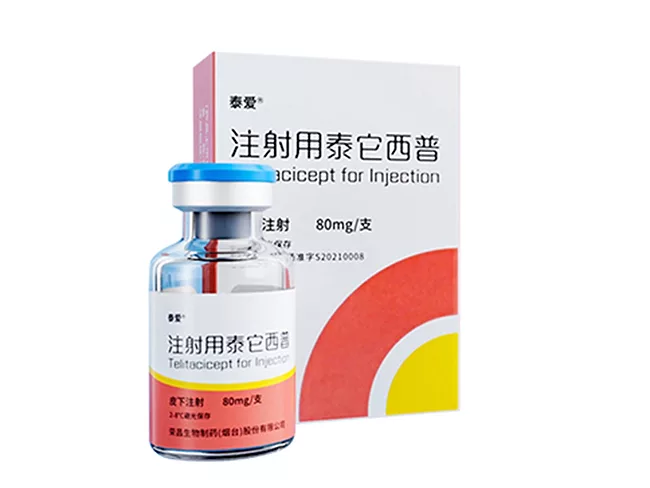
Remegen Co. Ltd. emerged as a surprise challenger in the generalized myasthenia gravis space, unveiling positive phase III data of its China-approved lupus drug, telitacicept (RCT-18; Tai’ai), in the rare autoimmune neuromuscular disorder at the 2025 American Academy of Neurology conference.
The U.S. National Security Commission on Emerging Biotechnology (NSCEB) is urging Congress to reinvest in American biotechnology because “the U.S. is dangerously close to falling behind China,” according to a May 8 report. "The United States is locked in a competition with China that will define the coming century," said NSCEB Chair Senator Todd Young (R-Ind.). “Biotechnology is the next phase in that competition. It is no longer constrained to the realm of scientific achievement. It is now an imperative for national security, economic power and global influence.”

 RSS
RSS