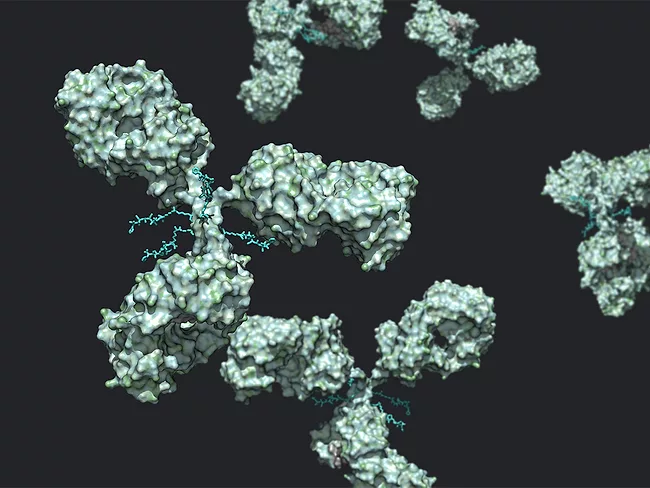
Antibody-drug conjugate (ADC)-focused Callio Therapeutics debuted on March 3 with the closing of a $187 million series A financing round based on cancer drug technology and assets in-licensed from Hummingbird Bioscience Pte Ltd.
On March 1, 2025, former NIH director Francis Collins’ announced that he had fully resigned from the NIH, where he continued to lead a laboratory after his resignation as director. Collins gave no reason for his resignation, but it comes just before this week’s confirmation hearings for Jay Bhattacharya, who is U.S. President Donald Trump’s nominee to lead the NIH and who Collins called a “fringe epidemiologist” during the COVID pandemic. It is a bitter irony that when Collins resigned as NIH director in 2021, then-President Joe Biden said that “countless researchers will aspire to follow in his footsteps.”
For executives of Lexicon Pharmaceuticals Inc., the missed primary endpoint in the phase IIb Progress study testing pilavapadin, its non-opioid candidate, in adults with moderate to severe diabetic peripheral neuropathic pain seemed merely a footnote for what CEO Mike Exton called an “exciting and long-awaited day for the Lexicon team, collaborators and patients.”
Abbvie Inc. is buying into the obesity fray in a potential $1.875 billion development and commercialization agreement with Danish peptide drug discovery specialist Gubra A/S. In addition, there will be a $350 million up-front payment as Abbvie takes over the reins of GUB-014295 (referred to as Gubamy), a long-acting analog of the satiety hormone amylin, currently in phase I development.
Boston Scientific Corp. agreed to acquire Sonivie Ltd., developer of a therapeutic intravascular ultrasound system for denervation to treat resistant hypertension, pulmonary hypertension and chronic obstructive pulmonary disease. On a 100% basis, the deal is valued at $600 million with $400 million up front and $200 million upon achievement of a regulatory milestone.
The rash of firings at agencies of the Department of Health and Human Services has provoked a Feb. 28 letter from Reps. Dianna DeGette (D-Colo.) and Frank Pallone (D-N.J.), blasting the dismissals and insinuating that the dismissals were politically motivated.
The U.S. Patent and Trademark Office has reversed a 2022 agency memorandum on discretionary denials of patent procedures, such as inter partes reviews.
Precision Neuroscience Inc. recently partnered with Beth Israel Deaconess Medical Center to test its brain computer interface, the Layer 7 Cortical Interface, during craniotomy procedures.
After Study 1’s independent data monitoring committee said the experiment will likely fall short of its primary endpoint with ulixacaltamide in essential tremor, Praxis Precision Medicines Inc. plans to wait for full data from Study 1 as well as Study 2 in the Essential 3 phase III program before deciding on regulatory moves.
About 17 months after emerging from stealth with its Trueglue discovery platform, Magnet Biomedicine Inc. has joined with Eli Lilly and Co. to discover, develop and commercialize molecular glue therapeutics for oncology. “It’s a really important deal, especially given the discovery of Trueglues is something Magnet is pioneering,” CEO Brian Safina told BioWorld. The deal includes $40 million in up-front and near-term payments, including an equity investment, as well as potential milestone payments, bringing the deal total to more than $1.25 billion, plus tiered royalties.
 RSS
RSS