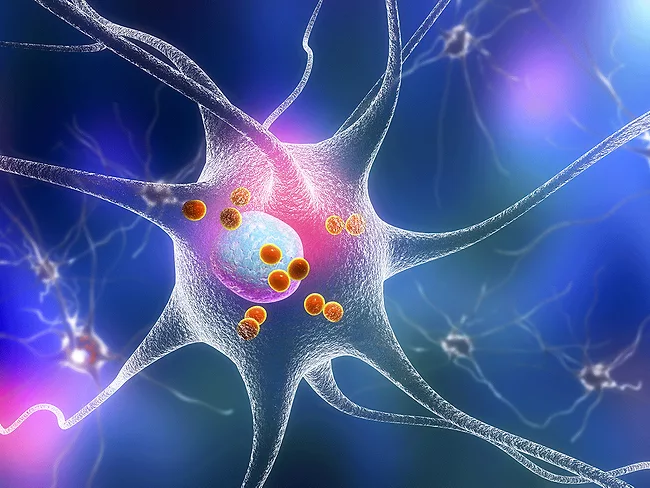
Cerevel Therapeutics Inc.’s positive results from the long-shot pivotal phase III Tempo-3 trial with tavapadon – the first D1/D5 receptor partial agonist being studied as a once-daily treatment for Parkinson’s disease – added gravy to the $8.7 billion takeover by Abbvie Inc., disclosed late last year. The buyout’s centerpiece was the late-stage asset emraclidine, a positive allosteric modulator of the muscarinic M4 receptor, touted as a potential best-in-class, next-generation antipsychotic for schizophrenia, which strikes more than 5 million people in the G7 (U.S., France, Germany, Italy, Spain, U.K. and Japan).
The new merger guidelines released by the U.S. Department of Justice and the Federal Trade Commission have proven controversial on several fronts, but now the House of Representatives is weighing in.
While the U.S. FDA’s final rule for regulation of lab-developed tests (LDTs) has yet to emerge, there is some reason to expect the rule will be met with litigation from clinical lab associations. The FDA’s Jeff Shuren said in remarks to this year’s meeting of the Medical Device Manufacturers Association that there is a legitimate problem with the accuracy of many LDTs, adding that while stakeholders are at liberty to question the FDA’s rulemaking, the agency’s experience in this area indicates that the question of LDT reliability is not up for debate.
One of the problems with the European Union’s Artificial Intelligence Act is that it spans all sectors of the E.U. economy, an approach that Sen. Bill Cassidy (R-La.) suggested is less than optimal in remarks to this year’s meeting of the Medical Device Manufacturers Association. Nonetheless, Cassidy said some in the Senate are keen to pass legislation without taking proper stock of the lack of congressional expertise, which runs the risk that hasty legislation may create more problems than it solves.
Despite the bullish outlook in its quarterly earnings call, which included raising the midpoint of its full-year guidance range, Abbott Laboratories stock slipped on its light second-quarter outlook.
Bruker Corp. shows no sign of slowing its buying binge, picking up Nanostring Technologies Inc. for $392.6 million in cash plus the assumption of certain liabilities in its seventh deal so far this year.
Nanostring entered bankruptcy in February and received a “stalking horse” bid of $220 million from private equity fund Patient Square Capital in March. Bruker won the competitive auction for Nanostring’s assets, besting the Patient Square bid by 78%. The deal is expected to close in early May.
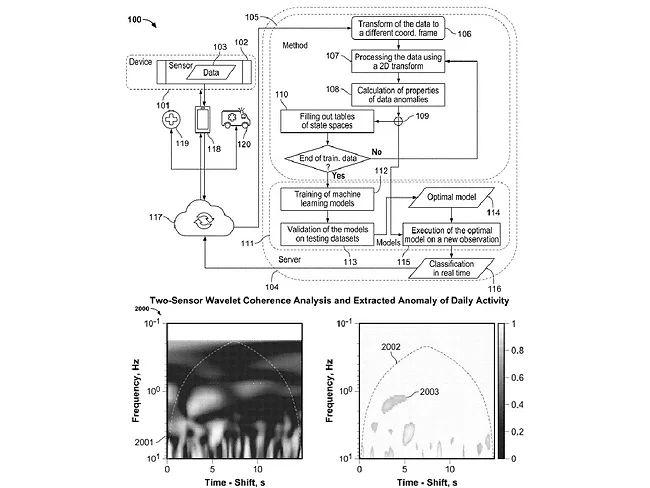
In what represents its first patenting, Alva Health Inc. has been granted protection for a method for detecting stroke from falls using a combination of wearable motion sensors and artificial intelligence.
Having addressed the manufacturing issues that resulted in a few complete response letters, Alvotech Holdings SA and Teva Pharmaceutical Industries Ltd.’s biosimilars partnership is now on a roll, with the U.S. FDA approving the team’s second biosimilar, Selarsdi, less than two months after approving the first one, Simlandi, as an adalimumab interchangeable.
Eli Lilly and Co. is planning to file for U.S. FDA approval later this year after reporting that tirzepatide met all primary and key secondary endpoints in two phase III trials in obstructive sleep apnea (OSA). Assuming approval, tirzepatide could become the first drug approved specifically for OSA, while providing potential entry access for Medicare Part D coverage, which is denied for the GLP-1 class of drugs approved as obesity medications.
With the recent hack of Change Healthcare back in the news, a committee of the U.S. House of Representatives took up the subject of cybersecurity, which included only a couple of mentions of medical devices. However, witnesses at the hearing emphasized the role of the federal government in thwarting foreign cybersecurity threats against health care facilities, with John Riggi of the American Hospital Association stating, “we need the [federal] government to go after bad actors overseas.”
 RSS
RSS