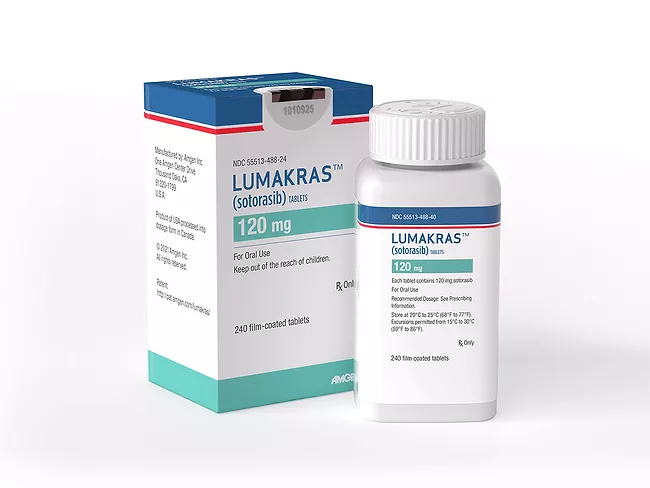
Bad news for Amgen Inc. could mean upside for Mirati Therapeutics Inc., though the meeting of the U.S. FDA’s Oncologic Drugs Advisory Committee (ODAC) has yet to tell the tale regarding Lumakras (sotorasib), the former’s KRAS-G12C inhibitor.
After considering the evidence, the U.S. FDA’s Oncologic Drugs Advisory Committee (ODAC) voted 14-6 Oct. 4 that the data from a single external-controlled trial and well-established preclinical animal models present sufficient evidence to demonstrate that US Worldmeds LLC’s DFMO (eflornithine) improves event-free survival in pediatric patients with high-risk neuroblastoma.
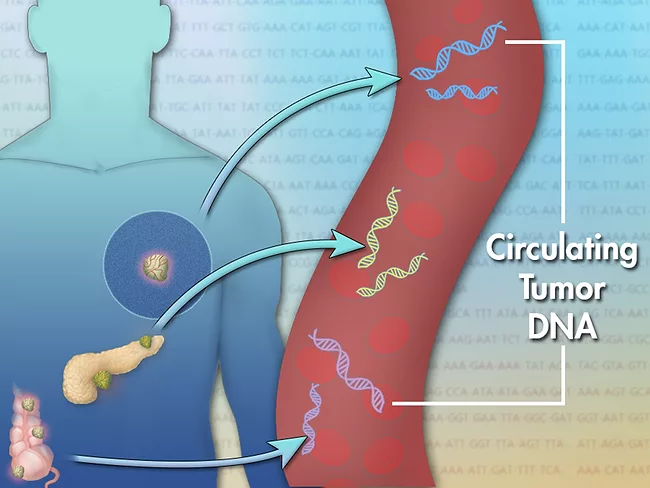
Providing the right therapy at the right time has proven more difficult in the world of cancer than in other disease areas thanks to the variability in treatment response, but a new study hints that this problem may be at least partly solved for non-small cell lung cancer (NSCLC). A study presented at this year’s meeting of the American Society for Radiation Oncology (ASTRO) in San Diego shows that circulating tumor DNA (ctDNA) can provide therapeutic guidelines for oligometastatic forms of the disease, including when high-dose radiation therapy may or may not be indicated.
Neve Ilan, Israel-based Nano-X Imaging Ltd., had rocked the world of medical imaging with promises of X-ray imaging systems that provide low-cost tomosynthesis, but the U.S. Securities and Exchange Commission says the company overpromised on the low-cost claim. The SEC said the actual production cost of the Nano-X ARC systems is at least double the $12,000 per-unit figure routinely touted by the company’s former CEO, Ran Poliakine, a factual misrepresentation that helped the company raise $165 million in an initial public offering.
Takeda Pharmaceutical Co. Ltd. said it will work with U.S. regulators on the market withdrawal of Exkivity (mobocertinib), only two years after the oral tyrosine kinase inhibitor gained the FDA’s accelerated approval for use in locally advanced or metastatic non-small-cell lung cancer patients with EGFR exon 20 insertion mutations whose disease has progressed after chemotherapy.
For the second time in two weeks, the extent of regulatory flexibility will be at the heart of a U.S. FDA advisory committee meeting. The Oct. 4 meeting of the Oncologic Drugs Advisory Committee (ODAC) comes exactly a week after the Cellular, Tissue and Gene Therapies Advisory Committee voted overwhelmingly that the evidence presented for Brainstorm Cell Therapeutics Inc.’s amyotrophic lateral sclerosis drug, Nurown (debamestrocel), didn’t meet the agency’s flexibility standard. If the FDA’s briefing document for the ODAC meeting is anything to go by, the outcome for US Worldmeds LLC’s eflornithine, also known as DFMO, could be more positive, even though once again the agency is asking if the evidence from a single trial, along with supportive data, is sufficient.
The U.S. Department of Justice (DOJ) reported on October 2 that Genomic Health Inc. (GHI), now a subsidiary of Exact Sciences Corp., has agreed to pay $32.5 million to settle allegations that the company violated the False Claims Act (FCA). The allegations include that GHI had manipulated the dates upon which a test was administered in order to boost revenues from public health programs, an activity that ended up costing the company double damages.
After a long and bumpy path to approval, the U.S. FDA has finally given the green light to Cyclopharm Ltd’s Technegas combination product a day after the Sept. 29 PDUFA date.
After a long and bumpy path to approval, the U.S. FDA has finally given the green light to Cyclopharm Ltd’s Technegas combination product a day after the Sept. 29 PDUFA date.
Even as the court challenges continue, the first round of U.S. government price negotiations for selected Medicare Part D drugs officially began Oct. 1 with manufacturers of those drugs having to sign agreements to participate in the process. While the Centers for Medicare & Medicaid Services had yet to disclose, as of press time, how many manufacturers signed the negotiation agreements, all the companies with selected drugs reportedly had indicated they would sign by the deadline even as they pursue litigation.
 RSS
RSS